Northeast Florida
Equestrian Homes & Horse Farms in Northeast Florida
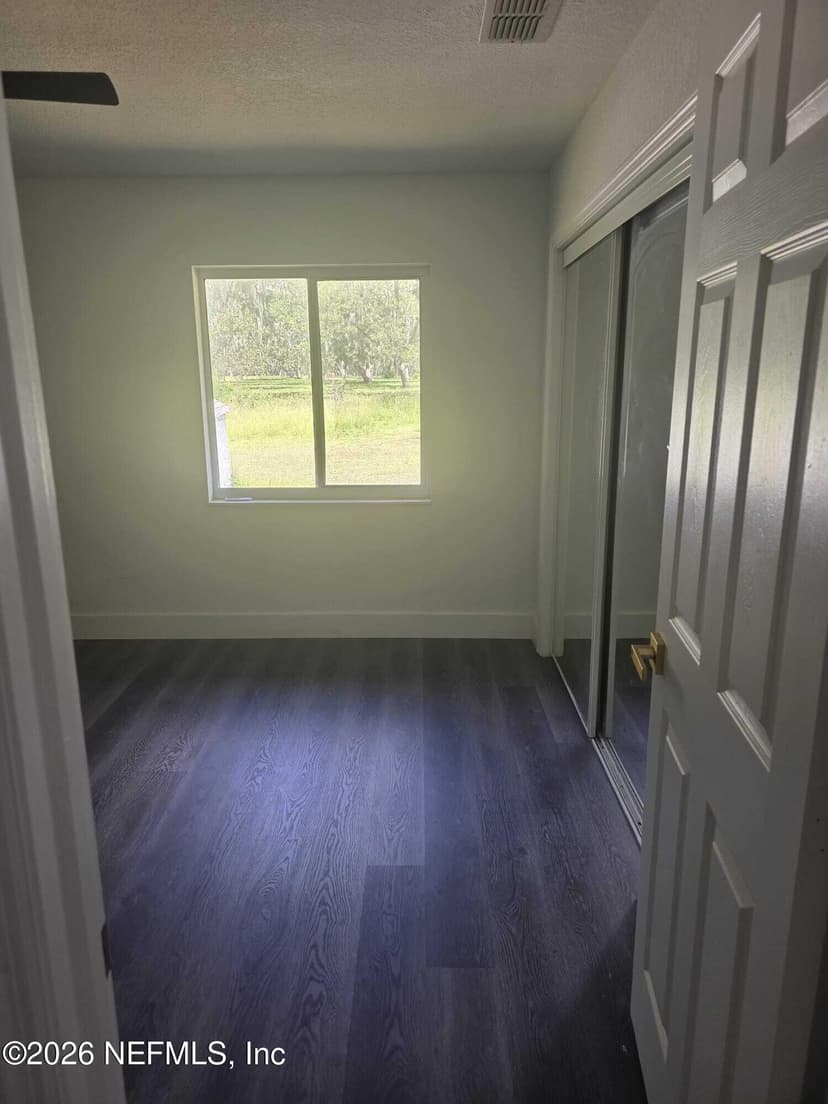
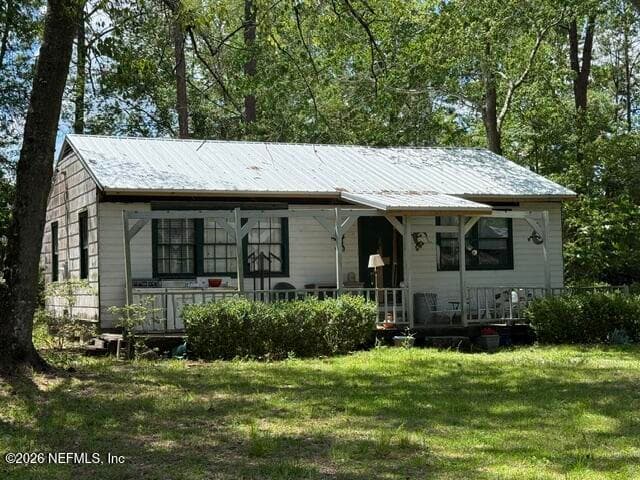
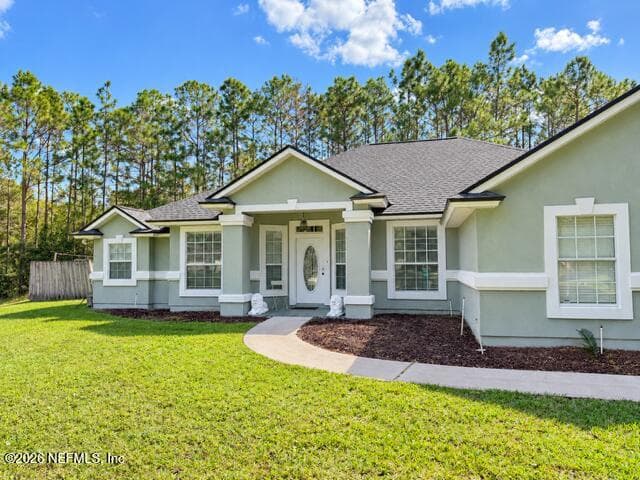
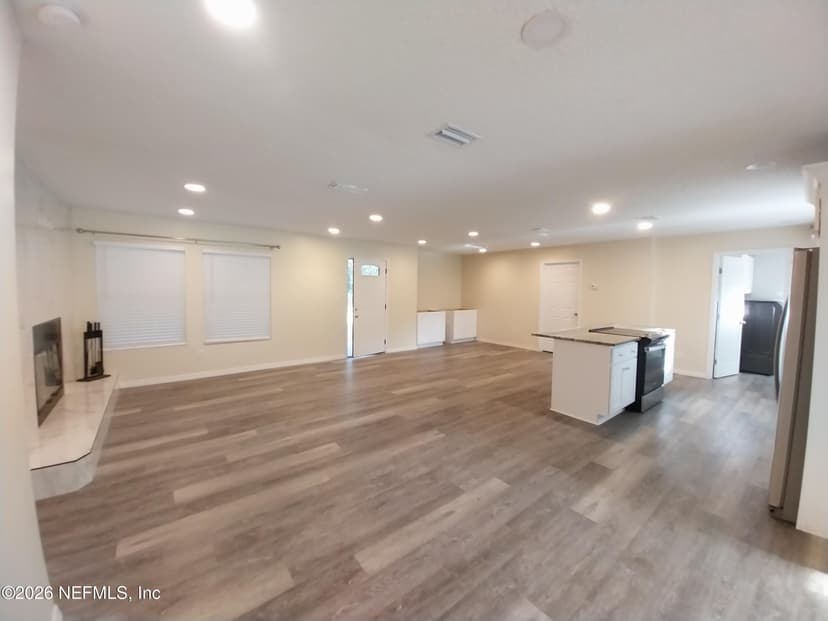
71 homes · 4 new this week · median $729,900 · 92 sold in 12 mo at median $570,000 · 95 days avg on market · updated 2 minutes ago
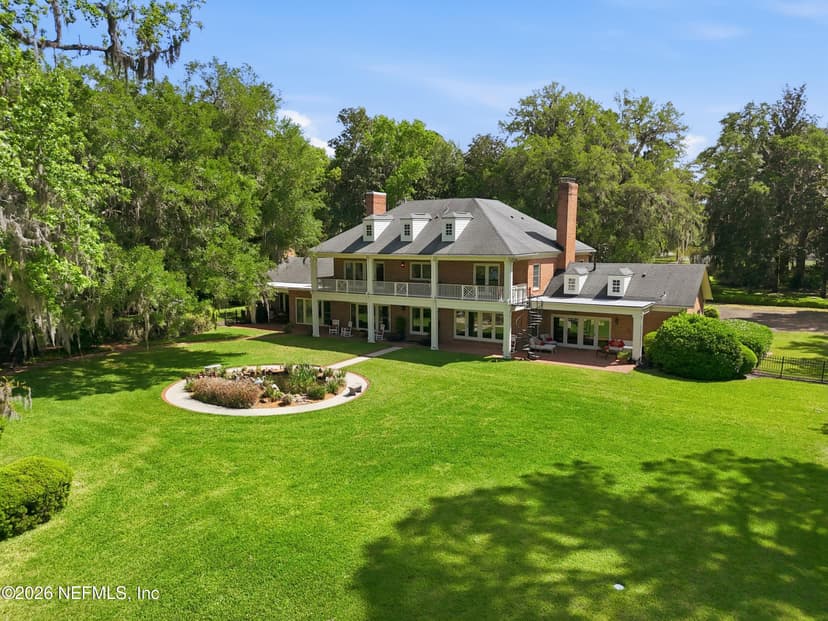
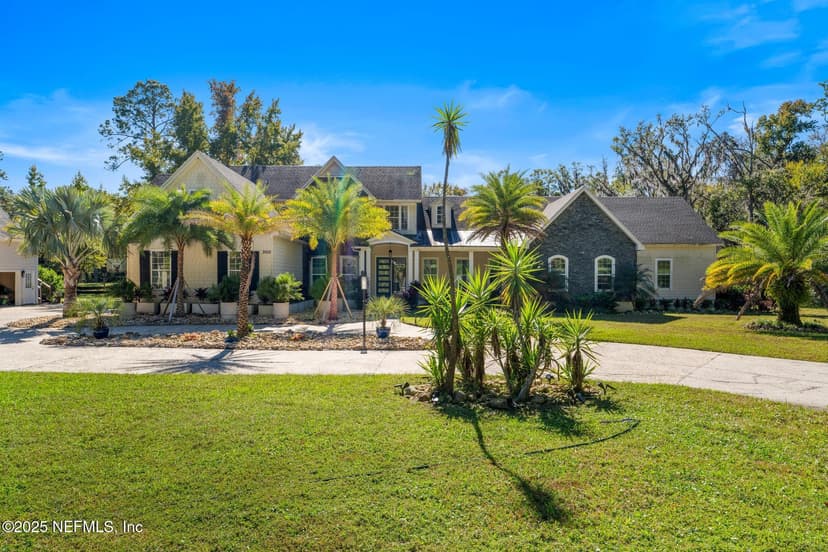
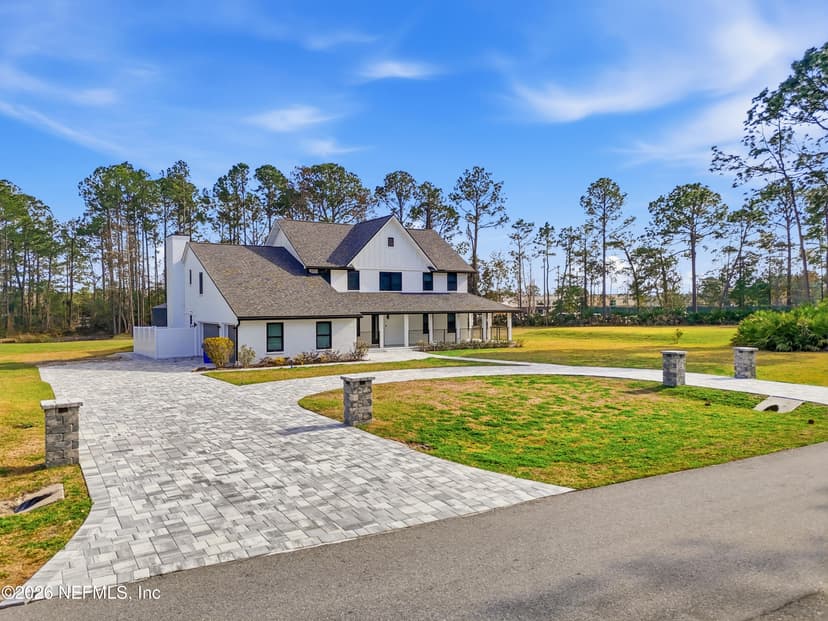
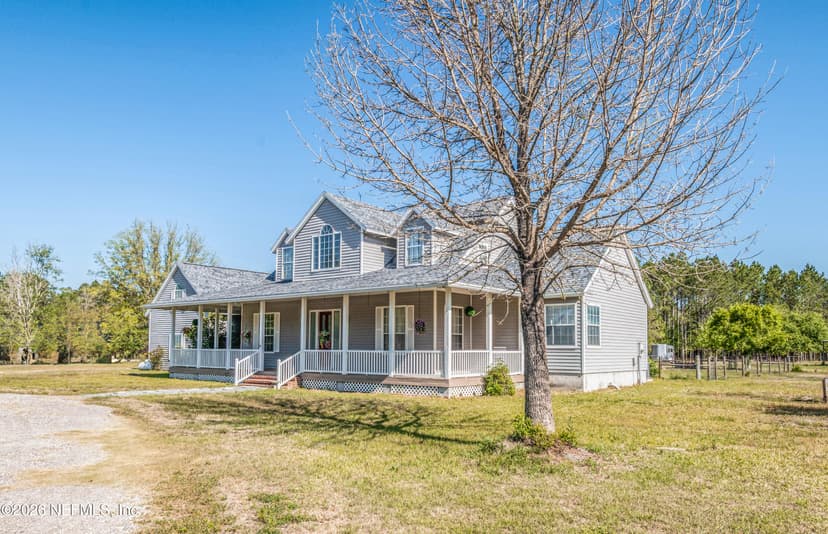
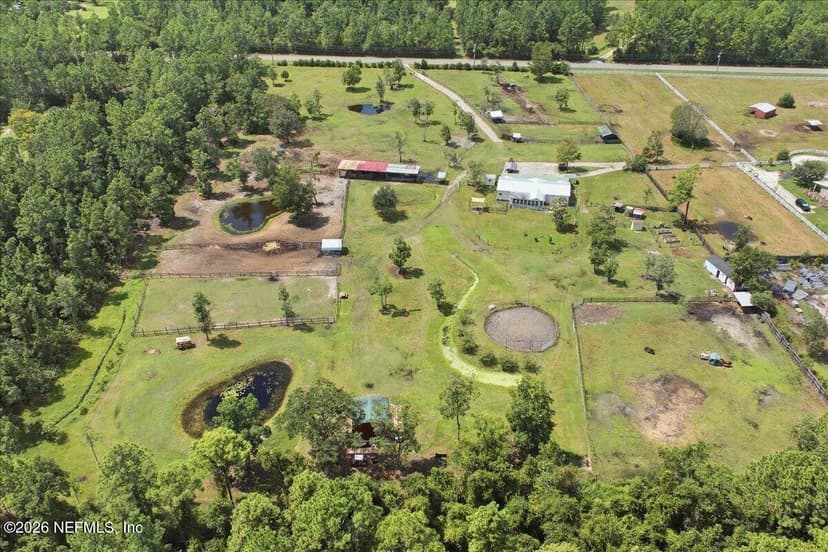
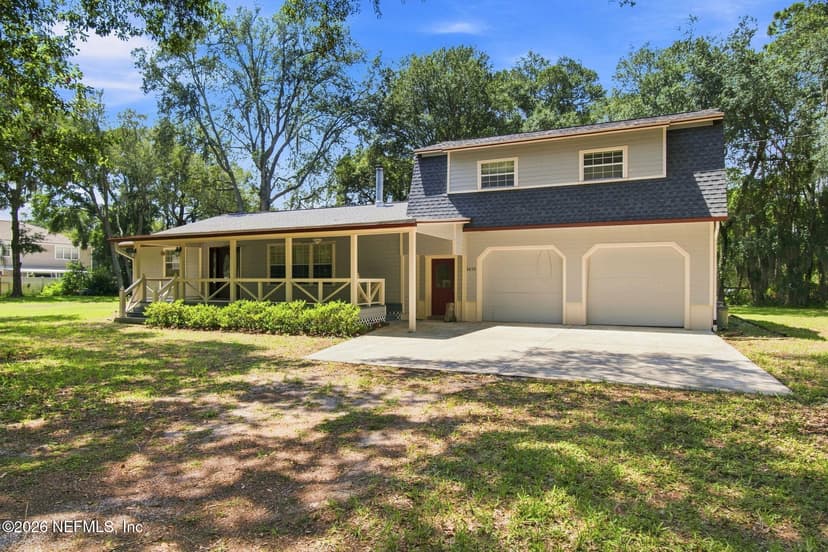
Northeast Florida’s horse country doesn’t follow the beach-county glamour map. The deepest inventory runs Clay County — Middleburg has fought to keep its horse-country identity as the metro grows, with Jennings State Forest’s trail system next door — then Jacksonville’s westside around the Jacksonville Equestrian Center on Normandy Boulevard (the region’s premier show facility), Nassau County’s Callahan and Hilliard farm belts, and St. Johns County’s western corridors. Amelia Island itself? Essentially none — Nassau’s horse life is mainland.
Horse properties & acreage in Northeast Florida →
Market Snapshot
As of October 24, 2026, the median list price for equestrian homes & horse farms in Northeast Florida is $729,900 across 71 active listings, averaging $462/sqft; recent MLS-recorded sales show a median sold price of $570,000 across 92 closings.
- Median List Price
- $729,900
- Avg. Price / Sq Ft
- $462/sqft
- Median Sold (12 mo, MLS)
- $570,000
- ▲ 1.8% vs prior 6 mo
- Active Listings
- 71
- HOA Dues
- ~$167/mo typical
- 13 of 71 listings carry dues
Market stats are based on equestrian homes & horse farms in Northeast Florida, including 92 recent recorded sales — they may not include listings or sales that aren't comparable to this market. Sourced from the MLS; refreshed regularly.
Showing 71 of 71
 For Sale
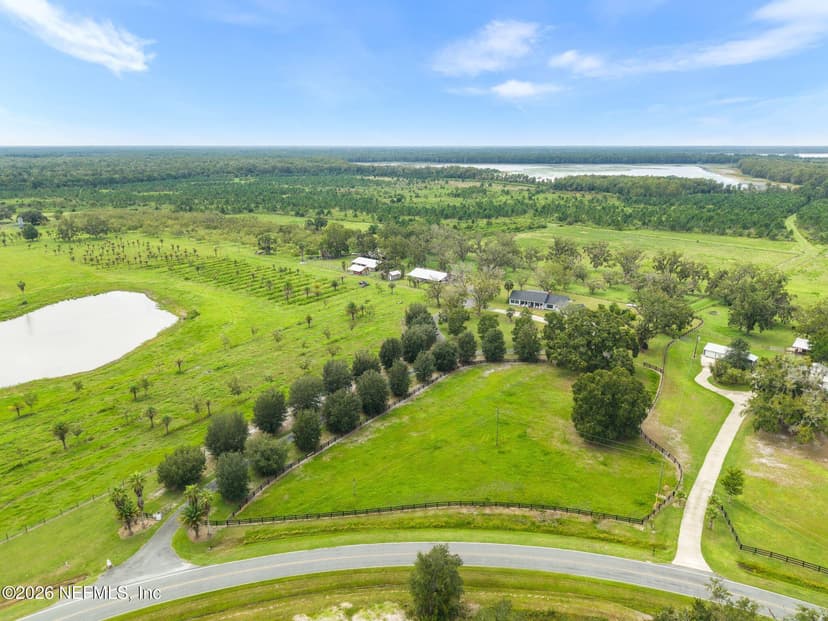
Starke
00 SW County Rd 100AStarke, FL 32091
4 bd · 5 ba · 3,938 sq ft · 379 ac
$5,400,000Listing Office: cb isaac realty
The agent behind this page
Krista FrackeBroker Associate · Christie’s International Real Estate
Any home you’re scrolling past here — I can open the door, tell you its story, and give you the honest math before you fall for it.
Ask me about any of them →
 Under Contract
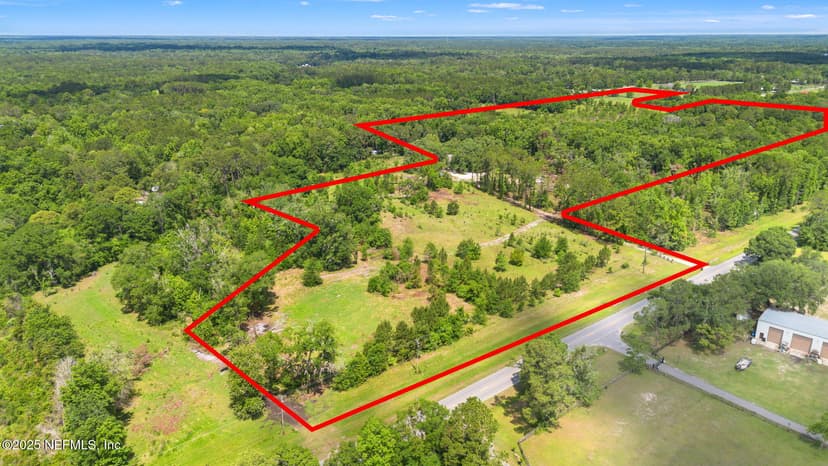
Middleburg
2995 Thunder RoadMiddleburg, FL 32068
3 bd · 3 ba · 2,222 sq ft · Pool · 60 ac
$2,499,000Est. $13,301/moListing Office: exp realty llc
 For Sale
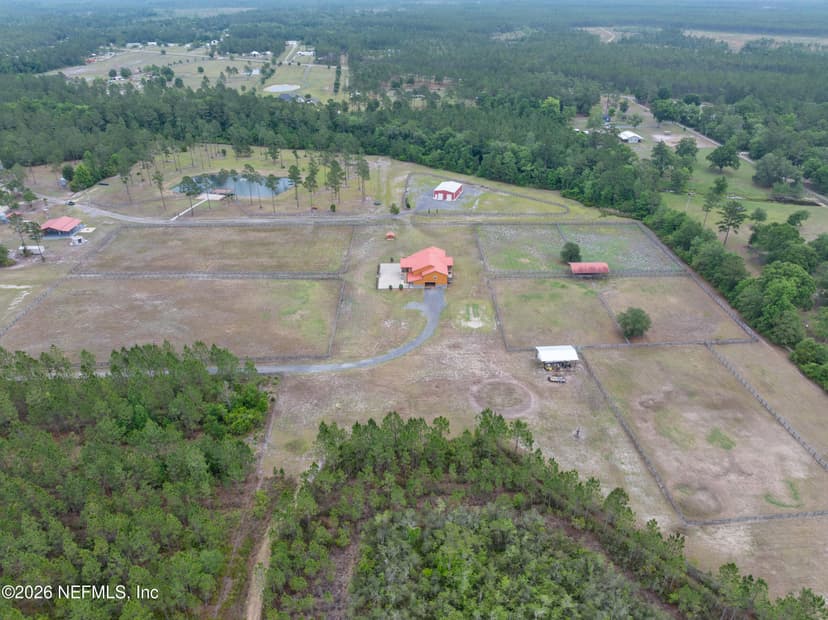
Bryceville
1845 Kinard RoadBryceville, FL 32009
4 bd · 3.5 ba · 2,933 sq ft · 111 ac
$2,249,000Est. $11,970/moListing Office: keller williams st johns
 For Sale
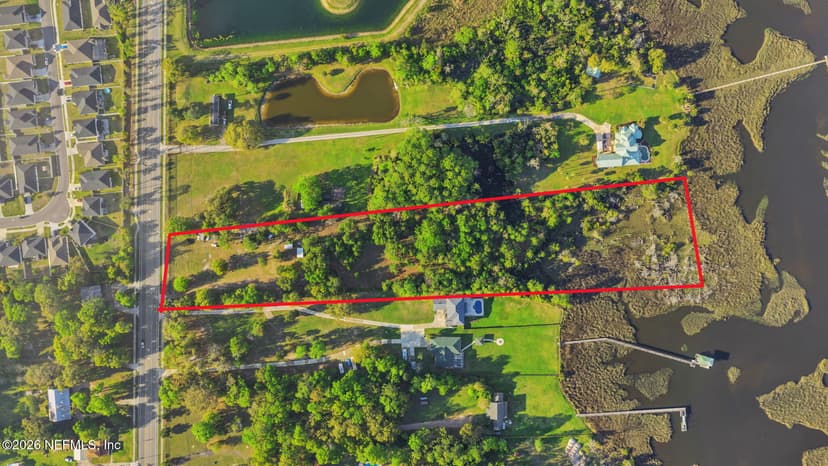
Jacksonville
1133 Girvin RoadJacksonville, FL 32225
2 bd · 1 ba · 960 sq ft · 5 ac
$1,999,999Est. $10,645/moListing Office: peninsula properties realty inc
 For Sale
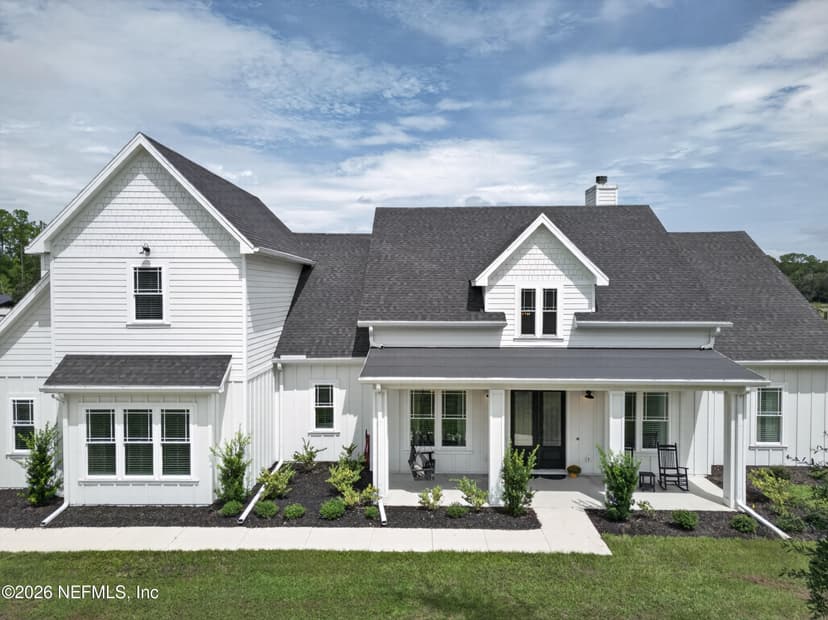
Bunnell
475 County Road 335Bunnell, FL 32110
7 bd · 4.5 ba · 4,135 sq ft
$1,960,000Est. $10,432/moListing Office: united real estate gallery
 For Sale
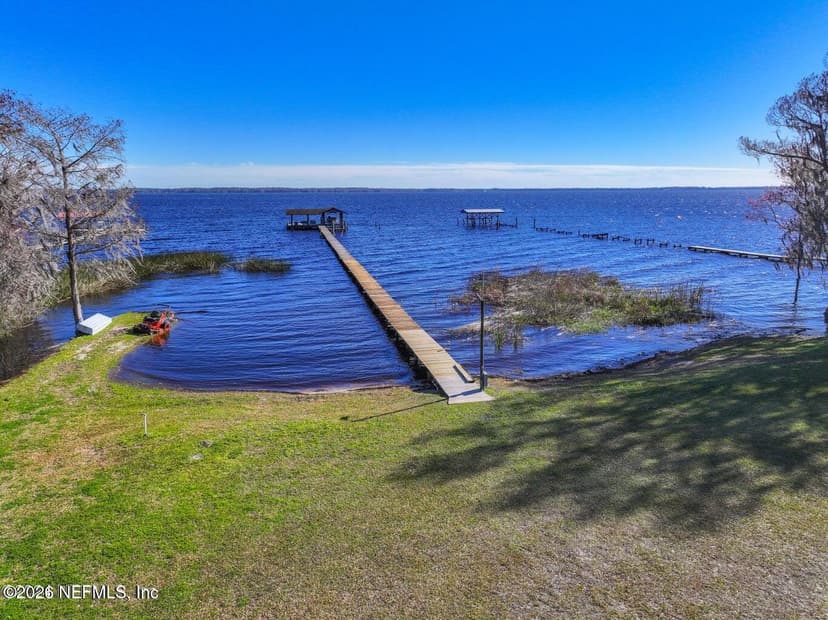
Green Cove Springs
6169 County Road 209 SGreen Cove Springs, FL 32043
2 bd · 1 ba · 1,008 sq ft · 9.2 ac
$1,175,000Est. $6,254/moListing Office: click to list llc
 For Sale
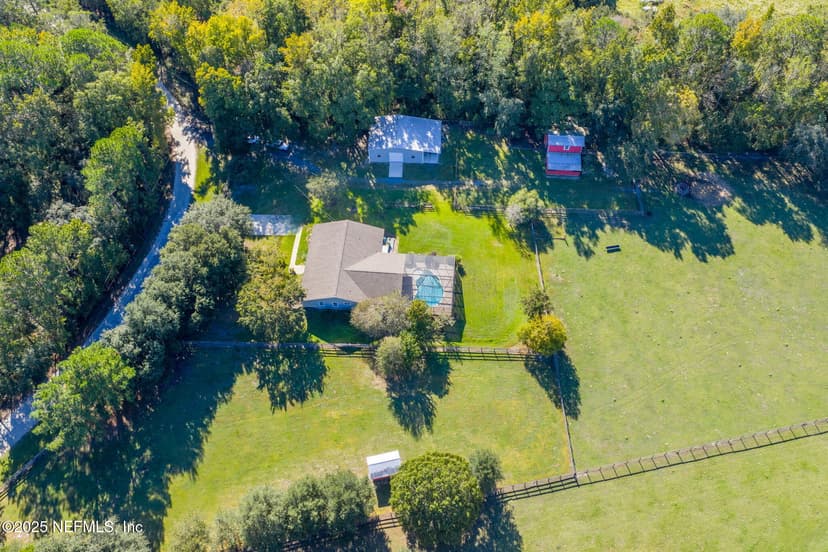
Middleburg
4299 Hawk Haven RoadMiddleburg, FL 32068
4 bd · 3 ba · 2,148 sq ft · Pool · 8 ac
$999,500Est. $5,320/moListing Office: watson realty corp
 For Sale
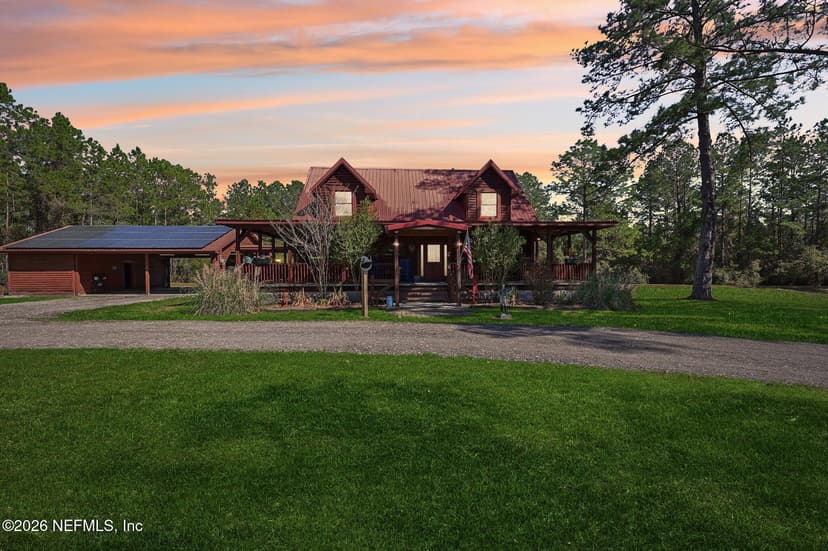
Keystone Heights
5040 Sagebrush AvenueKeystone Heights, FL 32656
3 bd · 2.5 ba · 2,308 sq ft · 10 ac
$985,000Est. $5,243/moListing Office: coldwell banker vanguard realty
 For Sale
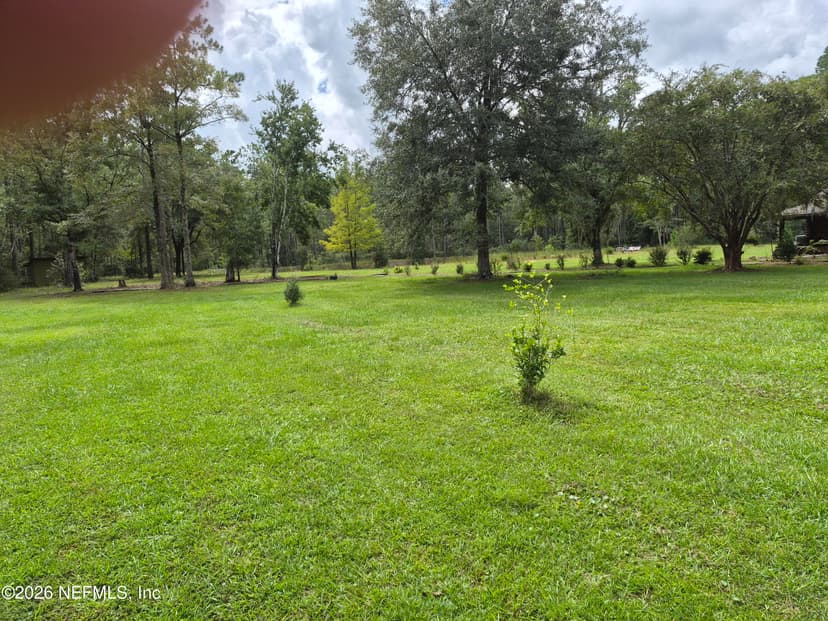
Hilliard
2272 Koester DriveHilliard, FL 32046
4 bd · 4 ba · 3,380 sq ft · Pool · 20 ac
$899,000Est. $4,785/moListing Office: florida homes realty & mtg llc
 For Sale
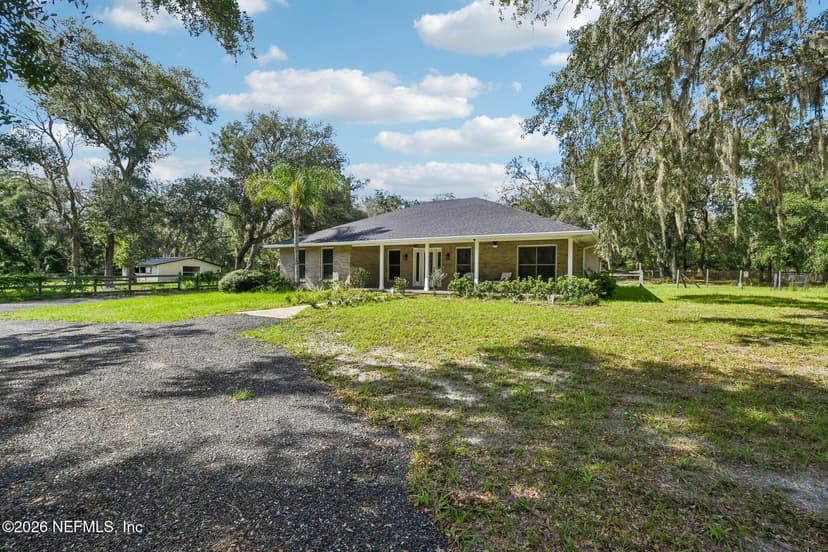
Melrose
135 Pearsall CircleMelrose, FL 32666
3 bd · 2 ba · 2,034 sq ft · Pool · 3.1 ac
$759,500Est. $4,042/moListing Office: florida homes realty & mtg llc
 For Sale
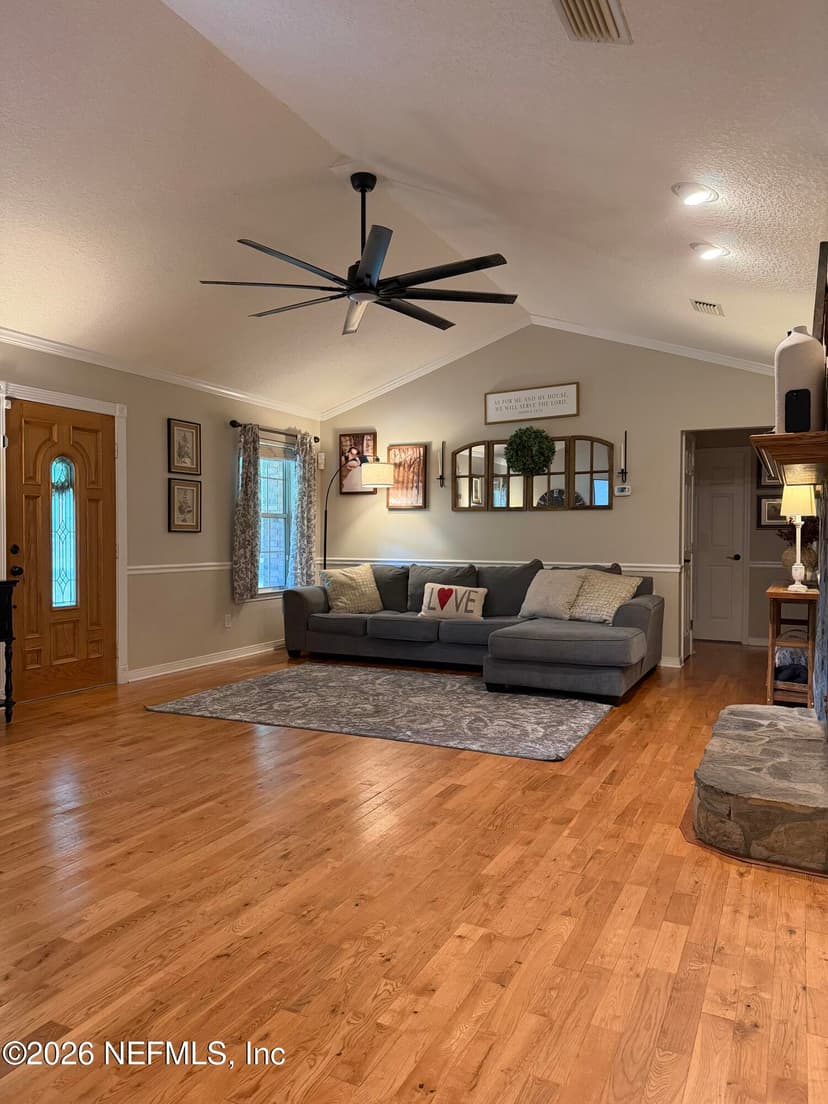
Hilliard
37491 Poole RoadHilliard, FL 32046
3 bd · 2 ba · 1,685 sq ft · Pool · 11 ac
$750,000Est. $3,992/moListing Office: pristine properties of florida llc
 For Sale
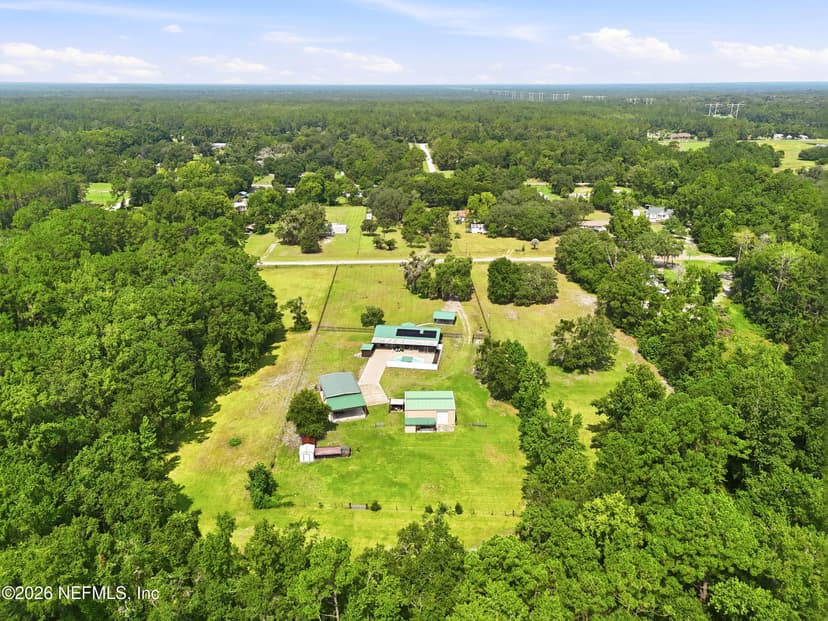
Palatka
106 Krantz RoadPalatka, FL 32177
3 bd · 2 ba · 2,048 sq ft · Pool · 10 ac
$729,900Est. $3,885/moListing Office: watson realty corp
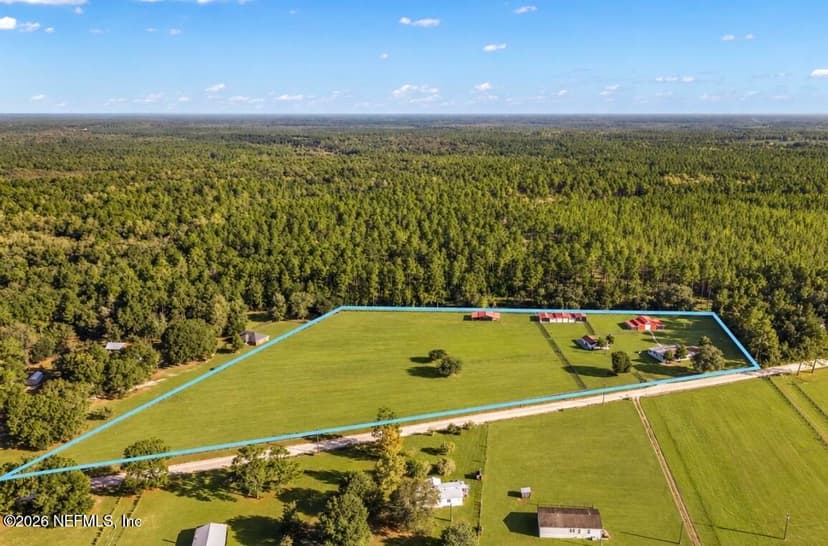 Under Contract
Hilliard
28541 Trigg RoadHilliard, FL 32046
3 bd · 1 ba · 1,708 sq ft · 8.3 ac
$649,000Est. $3,454/moListing Office: christie's international real estate first coast
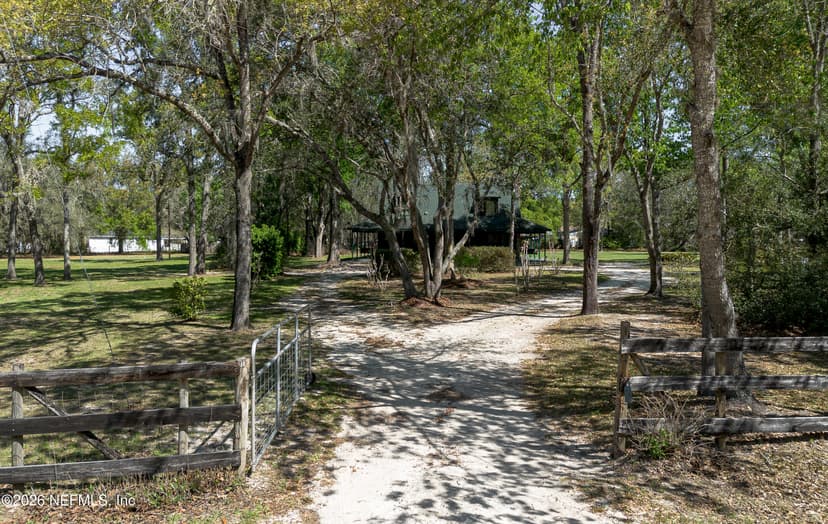 For Sale
Middleburg
34 Zibra StreetMiddleburg, FL 32068
3 bd · 2.5 ba · 2,495 sq ft · 5.2 ac
$624,500Est. $3,324/moListing Office: watson realty corp
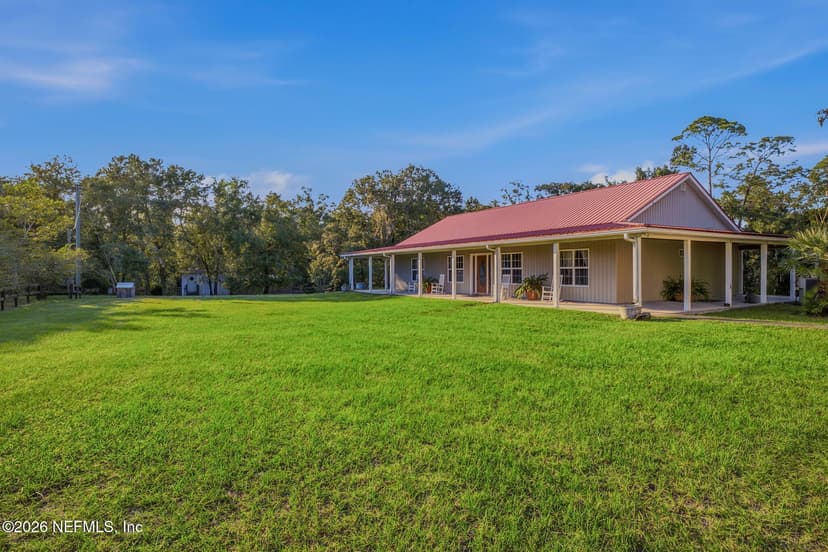 For Sale
Middleburg
4564 Crazy Horse Avenue BMiddleburg, FL 32068
3 bd · 2 ba · 1,710 sq ft · 5.3 ac
$585,000Est. $3,114/moListing Office: janie boyd & associates real estate services llc
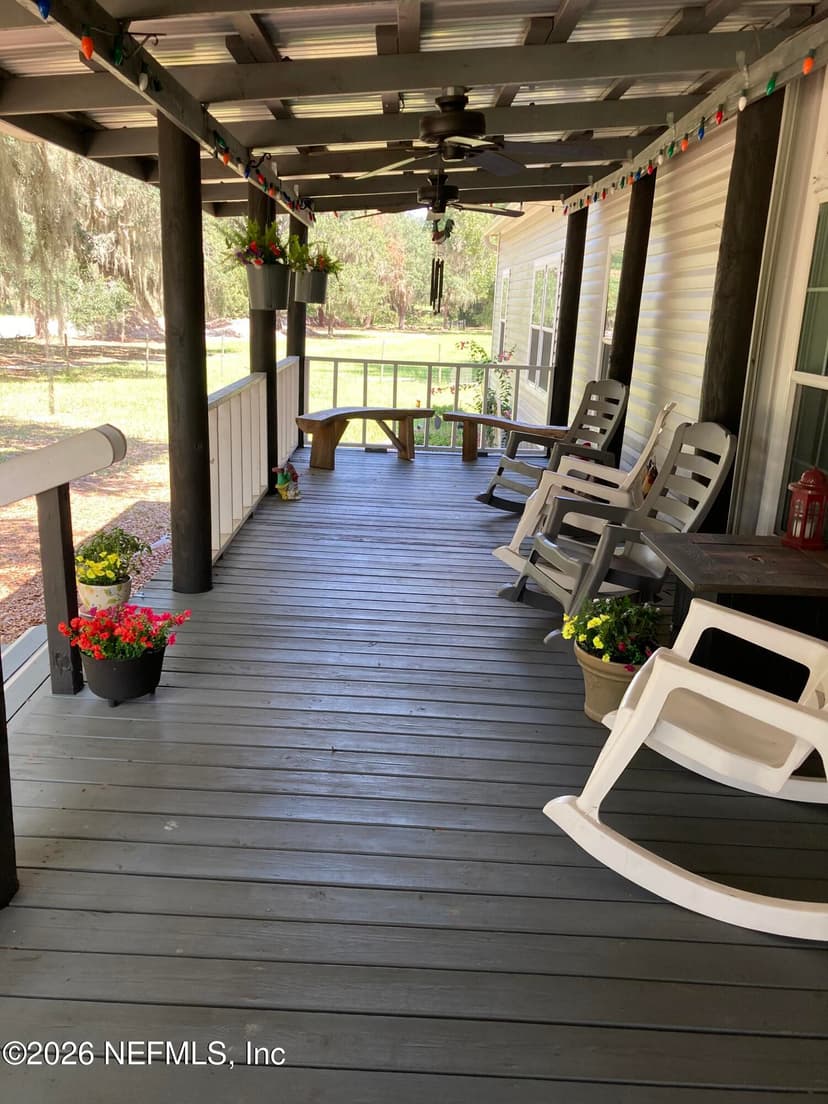 For Sale
Seville
601 Purvis RoadSeville, FL 32190
4 bd · 2 ba · 2,280 sq ft · 10 ac
$550,000Est. $2,927/moListing Office: exp realty llc
 Under Contract
Hilliard
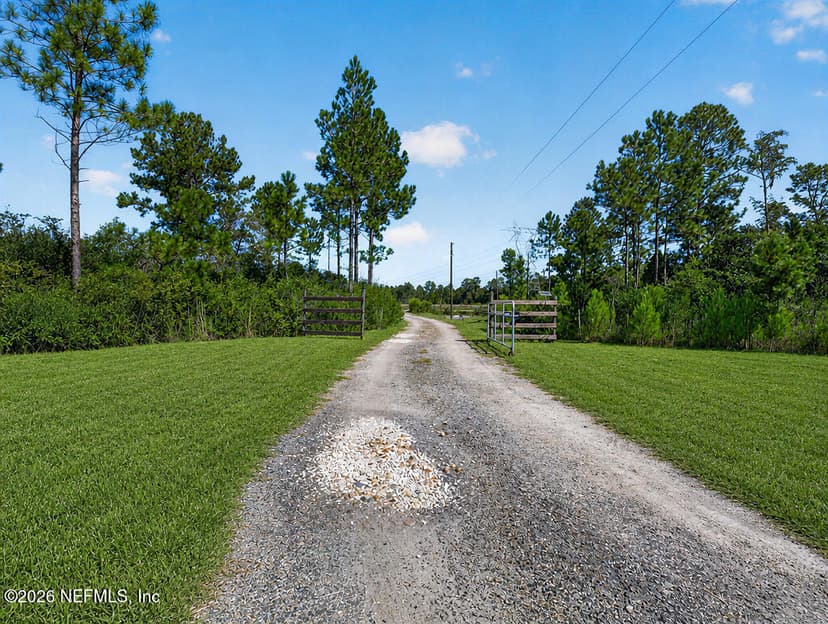
6195 River RoadHilliard, FL 32046
4 bd · 2 ba · 2,280 sq ft · 11 ac
$535,000Est. $2,847/moListing Office: florida homes realty & mtg llc
 For Sale
Brooker
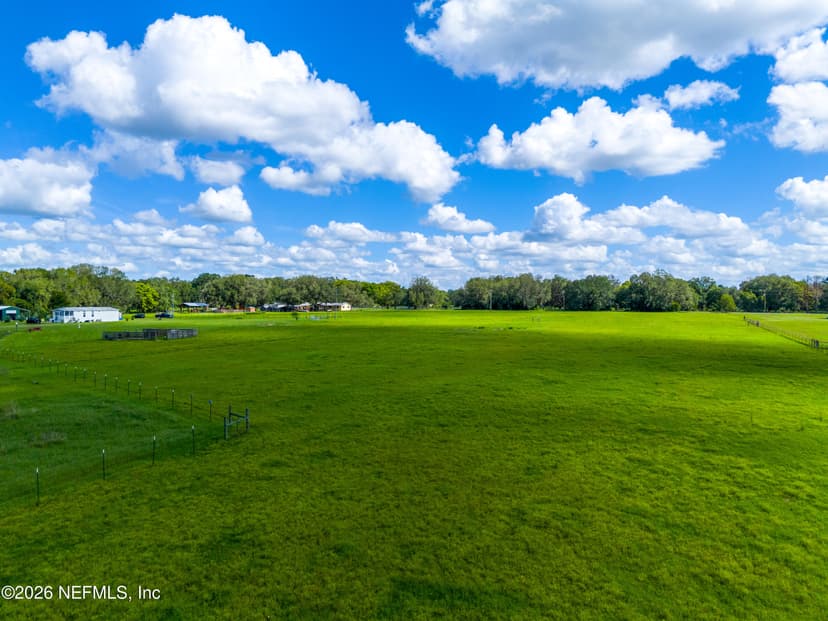
9787 SW 118th LaneBrooker, FL 32622
3 bd · 2 ba · 1,612 sq ft · 18 ac
$495,000Est. $2,635/moListing Office: faulkner realty, inc.
 For Sale
Trenton
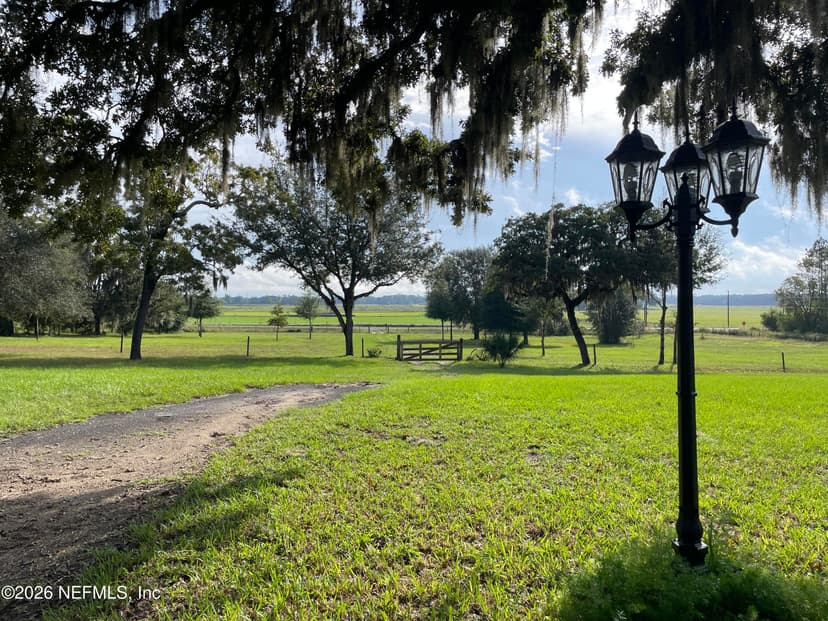
1549 NE County Road 337Trenton, FL 32643
3 bd · 1 ba · 1,861 sq ft · 13 ac
$449,000Est. $2,390/moListing Office: beycome of florida llc
 For Sale
Lake Butler
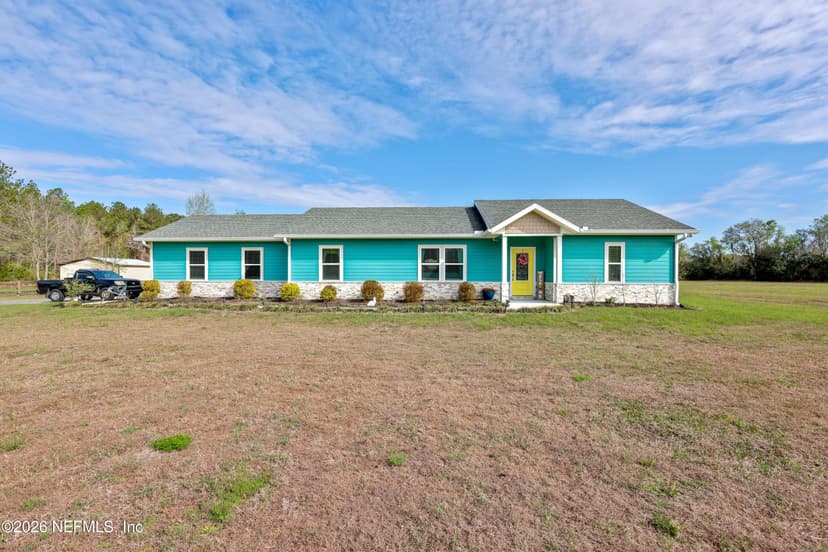
22156 NW County Road 235Lake Butler, FL 32054
2 bd · 2 ba · 1,488 sq ft · Pool · 5 ac
$424,900Est. $2,261/moListing Office: era oneteam realty
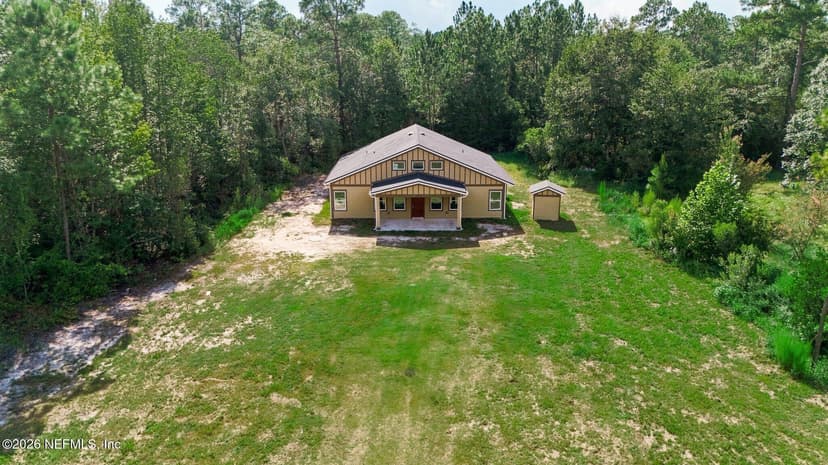 For Sale
Keystone Heights
4215 Oak Forest LaneKeystone Heights, FL 32656
3 bd · 2 ba · 1,812 sq ft · 2.7 ac
$395,000Est. $2,102/moListing Office: unlock realty group llc
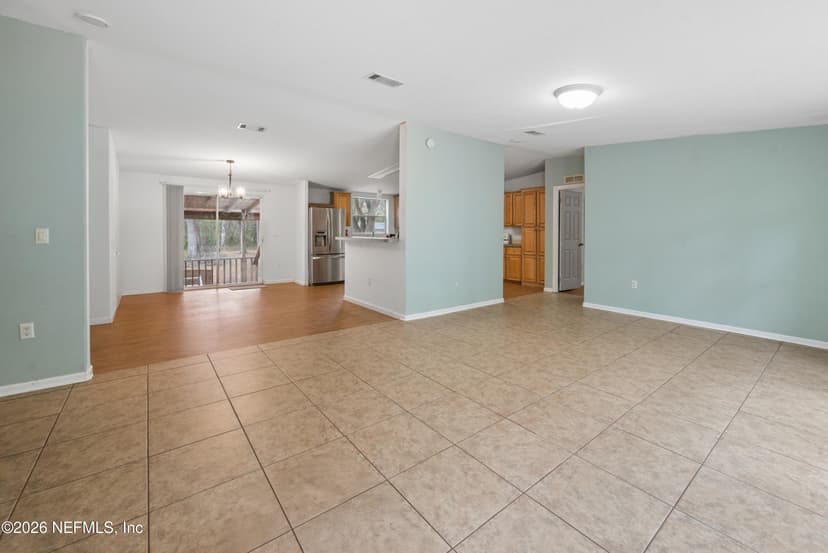 For Sale
Gainesville
19514 N County Road 225Gainesville, FL 32609
4 bd · 2 ba · 2,356 sq ft
$375,000Est. $1,996/moListing Office: cw realty
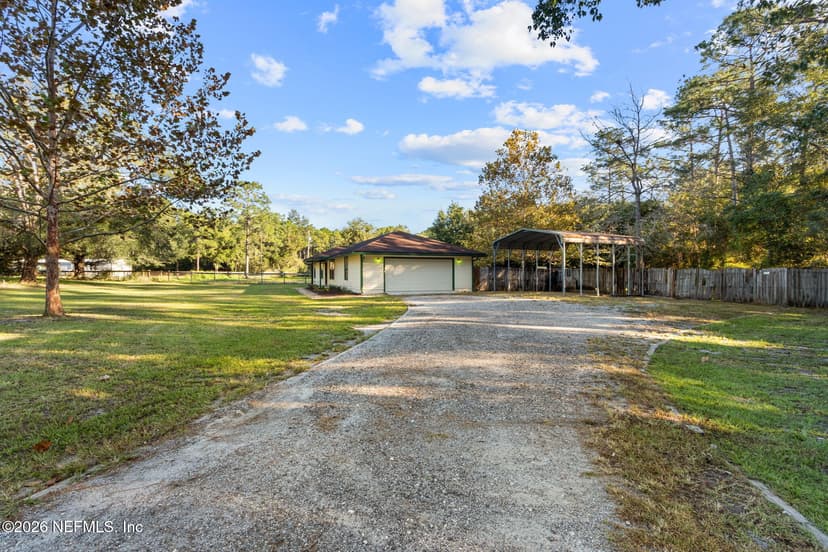 For Sale
Middleburg
2571 Indigo AvenueMiddleburg, FL 32068
3 bd · 2 ba · 1,144 sq ft · 1.2 ac
$370,000Est. $1,969/moListing Office: exit inspired real estate
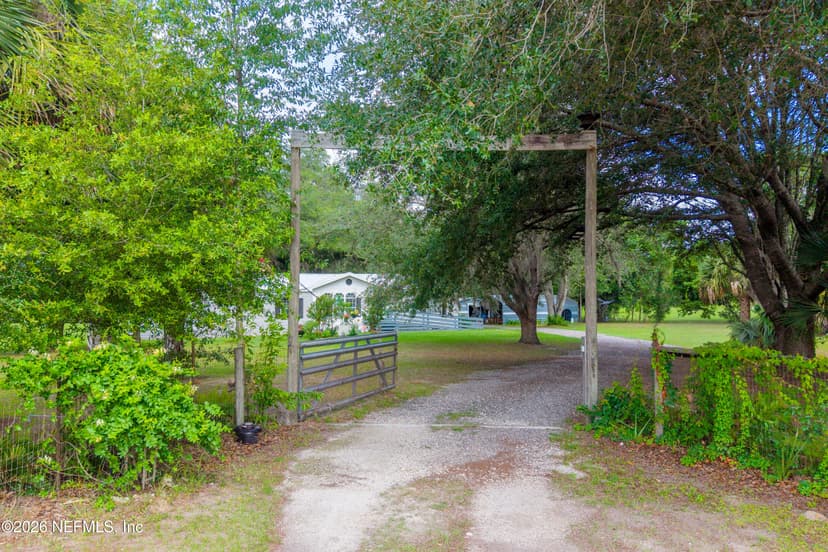 For Sale
Lake City
795 SE Bald Eagle LoopLake City, FL 32025
4 bd · 3 ba · 2,338 sq ft · 5 ac
$350,000Est. $1,863/moListing Office: cw realty
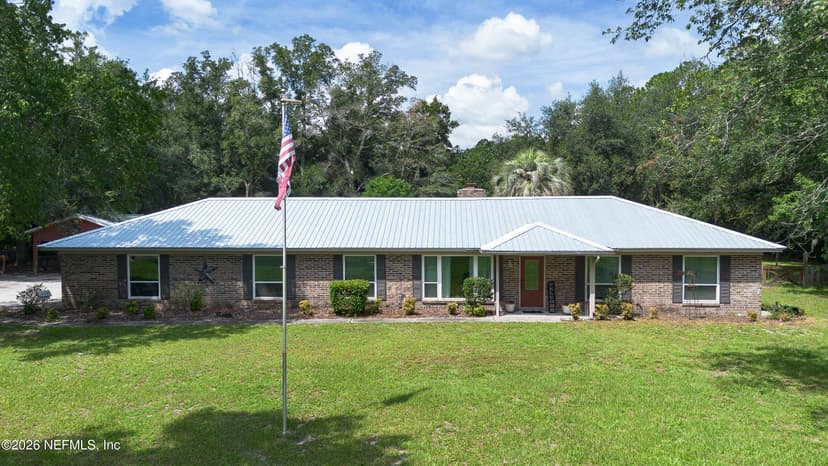
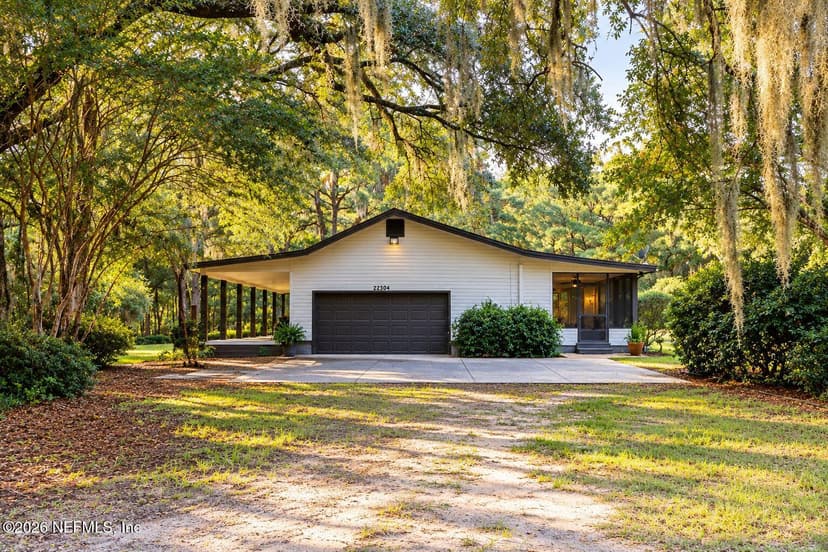
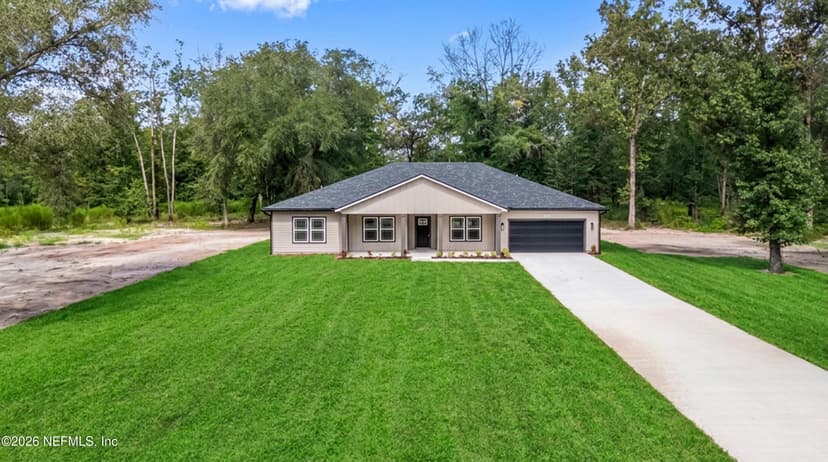
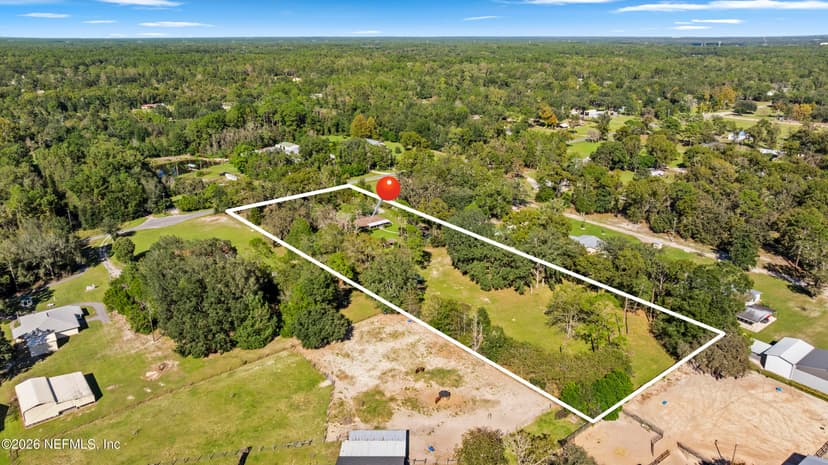
Closed sales
What equestrian homes & horse farms in Northeast Florida actually sold for
Median closed price by year from the MLS, 2021 to 2026: down 13% since 2025. 77 sales closed in 2026 at a median $272 per square foot.
| Year | Sales | Median sold | $/sq ft | Of asking | Days on market |
|---|---|---|---|---|---|
| 2021 | 7 † | $350K | $238 | 98.8% | 54 |
| 2022 | 4 † | $610K | $256 | 99.1% | 48 |
| 2023 | 4 † | $440K | $253 | 97.5% | 41 |
| 2024 | 28 † | $640K | $265 | 95.6% | 48 |
| 2025 | 87 | $650K | $269 | 97.4% | 49 |
| 2026 | 77 | $565K | $272 | 97.3% | 37 |
Closed sales from the realMLS IDX feed; years with fewer than three sales are omitted. Medians, not estimates of any one home. "Of asking" is the median sold price as a share of the final list price. † A partial year in the feed: it carries only some of that year’s sales, so the median rests on fewer homes and the percent change above starts at the first full year.
This market, from the inside
Every listing below highlights horses, equestrian facilities, or paddocks in its MLS description, across the full region. Equestrian buying is land-first diligence — zoning, horses-per-acre rules, wells, fencing, drainage, ag classification — and it’s where an agent who asks the right questions earns the commission. I run that list on every farm my buyers consider.
Frequently asked questions
Where is the best horse country near Jacksonville?
Clay County wears the crown — Middleburg and the Lake Asbury area carry the region’s deepest horse-property inventory, with Jennings State Forest trails on the doorstep. Jacksonville’s westside clusters around the Jacksonville Equestrian Center on Normandy Boulevard; Nassau’s Callahan and Hilliard belts offer the most land per dollar; and St. Johns County’s SR-207/SR-13 corridors add the option of county schools with your pasture — plus beach riding by county permit.
What is the Jacksonville Equestrian Center?
The region’s premier public equestrian facility — a city-owned show and event complex at 13611 Normandy Boulevard on Jacksonville’s westside, with a full calendar of horse shows and events. For buyers, proximity to it anchors the westside’s horse cluster: boarding, trainers, and show access without owning a full farm.
How many acres do I need for horses in Florida?
The honest answer is "check the specific county’s zoning," because horses-per-acre rules vary by jurisdiction and zoning district — and some counties regulate by district rather than a single ratio. Practically, most buyers here target an acre-plus per horse of usable, drained pasture, and the words "usable" and "drained" carry the weight in Florida. Zoning verification is step one on every farm I show.
Looking for equestrian homes & horse farms in Northeast Florida?
I’ll send new listings the moment they hit the market and walk through the details that don’t show up in the MLS — water access, HOA rules, what a feature really costs to maintain.
Contact KristaThinking of selling?
What’s your Northeast Florida home worth?
The sales above are the comp set a buyer will see. When you want a real number for your own home, Krista prepares it personally — no algorithm guesses — from the MLS-recorded sales in Northeast Florida, backed by 20+ years and 500+ closings in Northeast Florida.
Get my Northeast Florida home value →