Nocatee CDD fees, explained straight.
It’s the number one cost question I get about Nocatee — and it deserves a complete answer. Here’s what the CDD actually is, where it bills, and the part almost nobody tells you: the amount varies home by home, not just village by village.

By Krista Fracke — Broker Associate, Christie's International Real Estate First Coast · 20+ years in Northeast Florida · 500+ closings · client reviews
What a CDD is — and why Nocatee has one
A CDD — Community Development District — is a special-purpose government district that issues bonds to build a community’s infrastructure up front: the roads, drainage, utilities, and amenities that would otherwise take decades to fund. Nocatee was built through the Tolomato Community Development District, and it’s the reason the community opened with the Splash Water Park, the Greenway Trails, and the amenity network already in place instead of promised for “phase two.” Residents then repay those bonds — plus ongoing upkeep — through an annual assessment.
Where it shows up (and where it doesn’t)
The CDD assessment is not part of your HOA dues — ever. It appears as its own non-ad-valorem line on your county property-tax bill (St. Johns County for most villages; the Duval pocket bills through Duval). Your village HOA is a separate, generally modest charge — most Nocatee villages run roughly $100 to $250 a month. If your mortgage escrows taxes, the CDD is typically collected right alongside them, so it lands inside your monthly payment whether you notice it or not. One consequence worth knowing: because the CDD rides the tax bill, a listing’s advertised “annual taxes” figure often already contains the seller’s CDD line — at the seller’s assessed value. Neither number transfers to you as-is. That’s exactly why it belongs in your budget math from day one.
The two pieces: debt and upkeep
Every CDD assessment has two components. The debt portion services the bonds that built the community — it amortizes over the bond term, and it can be paid off early. The operations-and-maintenance portion funds the amenities year after year — the water parks, trails, landscaping, and events — and that part continues as long as the amenities do. When people say “CDD fees go away eventually,” they mean the debt half; the upkeep half is what keeps Nocatee looking like Nocatee.
The part nobody tells you
Because the bond portion can be prepaid, two identical floor plans on the same street can carry different CDD bills — one seller paid the bonds off, the other didn’t. The listing usually won’t say. The county’s records show the true number for each specific home, and that’s where I look: I pull the exact CDD figure — and the HOA — for every Nocatee home my buyers consider, so the monthly math is real before you offer, not a surprise at closing.
For sale in Nocatee now
The newest listings, live from the MLS.
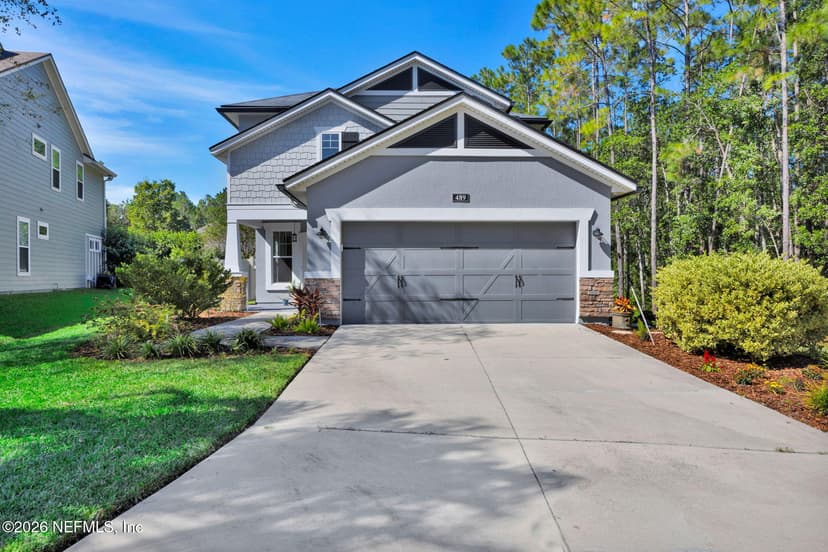
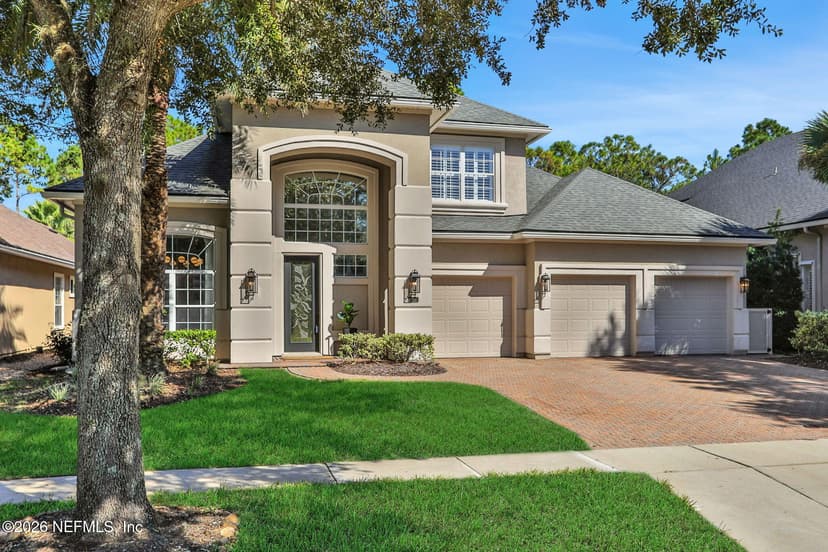
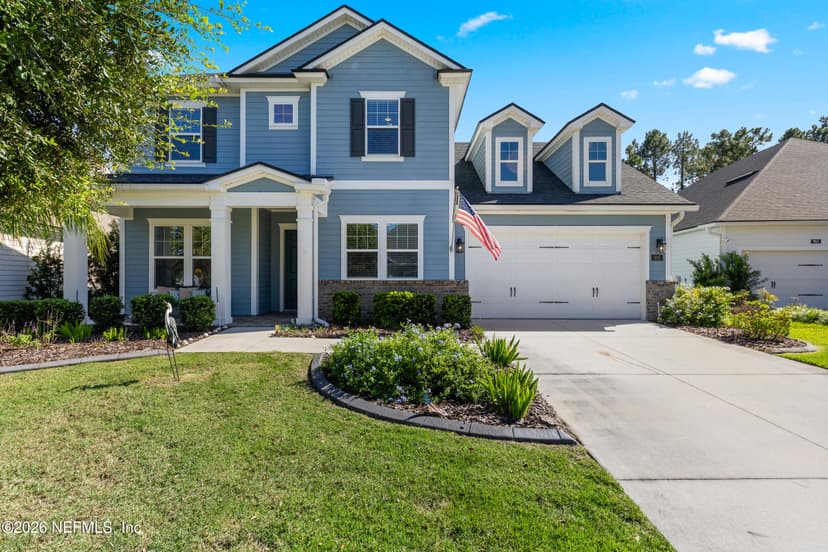
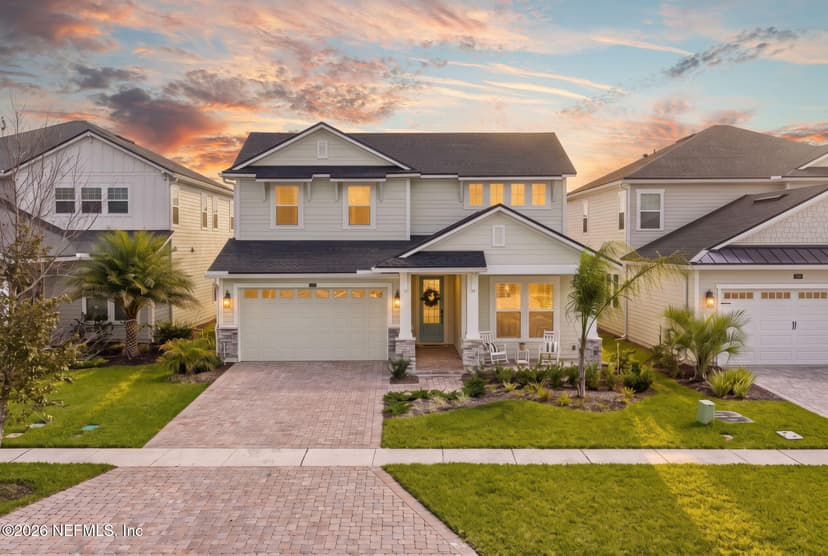
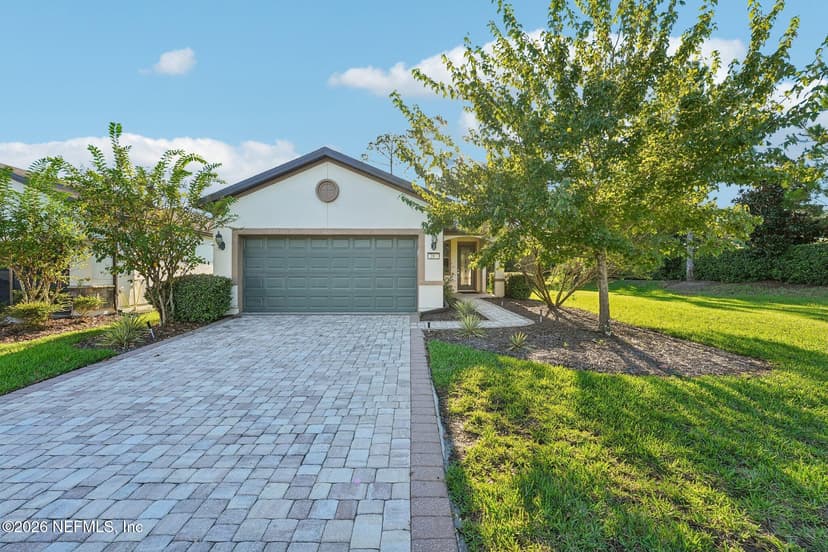
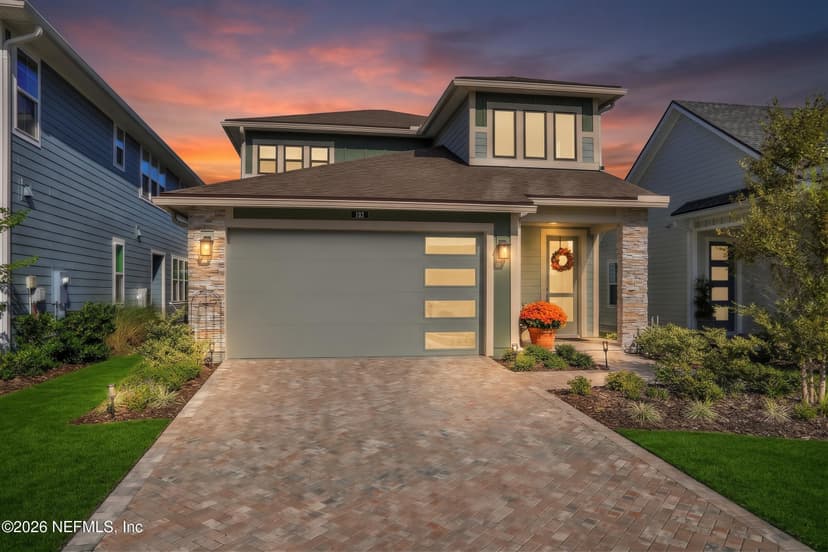
This is the work I do every week. House-hunting in Nocatee? I pull the exact CDD figure and bond status for every home my buyers consider — send me the address.
Work with Krista (904) 709-7917 TextSave contact
By texting Krista you agree to receive conversational SMS text messages from Krista Fracke about your home search or sale. Message frequency varies. Message and data rates may apply. Reply STOP to unsubscribe, HELP for help. Terms: www.kristafracke.com/terms. Privacy: www.kristafracke.com/privacy.
Broker Associate · Christie's International Real Estate First Coast · 20+ years · 500+ closings
Common questions
Are Nocatee CDD fees included in the HOA dues?
No — and this is the most common misunderstanding. HOA dues are billed by your village association (as of 2026, most Nocatee villages run roughly $100–$250 per month — the live table on the Nocatee HOA page carries current medians). The CDD assessment is completely separate: it appears as its own non-ad-valorem line on your county property-tax bill. When you budget a Nocatee home, you need both numbers.
How much are CDD fees in Nocatee?
It varies by village, by lot, and — critically — by the individual home, because the bond portion can already be partially or fully paid off by a previous owner. For most Nocatee homes the assessment is a four-figure annual line item, but two identical floor plans on the same street can carry different amounts. The county record shows the exact figure for a specific home; I pull it for every Nocatee home my buyers consider.
Do Nocatee CDD fees ever go away?
Partially. The assessment has two components: debt service on the bonds that built the community (which amortizes over the bond term and can be paid off early) and an operations-and-maintenance portion that funds the amenities year to year (which continues). So the bill typically shrinks when bonds retire or are prepaid, but a maintenance component remains — that is what keeps the Splash parks, trails, and landscaping running.
Is the CDD included in a listing’s estimated property taxes?
On the actual county bill, yes in effect — the CDD is added as its own line, so the total you pay the tax collector each year is property tax plus CDD together. Estimates are messier: online tax estimates (this site’s included) are modeled from the typical bills of comparable homes, so they approximate a combined total without itemizing a specific home’s CDD line — and the “taxes” figure in a listing is usually the seller’s last bill, at the seller’s assessed value, which resets when you buy. The clean way to budget: the tax estimate at your purchase price plus the home’s actual CDD line, as two separate numbers. You can verify the current CDD line yourself — the county tax collector’s public parcel search shows the full bill for any address. The remaining bond payoff balance, and what both numbers become at your purchase price, is where I come in.
Nocatee homes for sale →
The full market, village by village
Most affordable homes in Nocatee →
Under $500K — where the CDD math matters most
The St. Johns County CDD map →
Every major district — and the famous no-CDD exception
Nocatee HOA fees by village →
The other half of the bill — a live table from the MLS
Want the real number for a specific home?
Tell me the address — I’ll pull the exact CDD assessment, the bond payoff status, and the HOA dues, and put the true monthly cost in front of you before you write anything.
The Nocatee hub
Everything this site tracks about Nocatee — the villages, the real costs, and the guides buyers actually use.
Villages
Cost & lifestyle
- What’s coming to Nocatee (verified)
- Living in Nocatee — the honest guide
- Nocatee’s beach back door (Mickler’s)
- Best neighborhoods for outdoor life
- HOA fees by village — live
- Town Center: dining, shops, the walkable villages
- Does Nocatee flood? Zones, live
- Luxury homes, $1M+
- Pool homes
- Waterfront homes
- 55+ in Nocatee
- Golf carts in Nocatee — the map & the rules
- Golf-cart rules, region-wide
- Every Del Webb, compared straight
- The 55+ rulebook (HOPA)
- The Villages vs. the coast
- Florida vs. Arizona, honestly
- New construction
- Under $500k
- Townhomes
- Buying a townhome, every area compared
Nearby
What your budget buys