Beach renourishment on the First Coast: where, when and what it means for owners.
A renourished beach is a wider beach, with a rebuilt dune between the surf and the houses. Here is which stretches from Amelia Island to Flagler Beach have a sand project, when sand last went down, who pays for it, and what an oceanfront owner should know about the easements and the state line that come with it.

By Krista Fracke — Broker Associate, Christie's International Real Estate First Coast · 20+ years in Northeast Florida · 500+ closings · client reviews
What the sand does for the house
I’m Krista Fracke. Much of the oceanfront between Fernandina Beach and Flagler Beach sits behind a beach that a public project has rebuilt, and several stretches have had sand more than once. For an owner, that is good news. The Army Corps describes its Flagler County project as built to give up its sand in a storm so the houses, State Road A1A and public facilities behind it don’t have to. The same beach is wider for everyone using it and gives sea turtles and shorebirds more room to nest.
Renourishment means placing sand on an eroded beach, usually dredged from an offshore borrow area and pumped ashore, then shaped into a dune and a wide flat berm. The 2024 Ponte Vedra Beach project, per St. Johns County, rebuilt the dune to 13 to 18 feet, set the berm at 8 feet, and added 40 to 180 feet of beach width. After the 2024 Duval County placement the Corps’ contractor planted 500,000 sea oats and similar dune plants along the 10 miles it had rebuilt.
Projects by stretch of beach, north to south
Every row comes from the sponsor’s own page. Where an agency has not posted the next date, the table says so rather than guessing.
| Stretch | Sponsor | Last placement | Next, or the cycle | Source |
|---|---|---|---|---|
| Fernandina Beach (Nassau County Shore Protection Project) | Army Corps (Jacksonville District) and the City of Fernandina Beach | 2025, the second periodic renourishment: sand placed from May 12 to July 8; beach handed back July 23 | No date posted | City of Fernandina Beach |
| Duval beaches: Mayport, Hanna Park, Atlantic Beach, Neptune Beach, Jacksonville Beach (about 10 miles) | Army Corps; City of Jacksonville is the local sponsor | 2024 emergency renourishment, about 1.3 million cubic yards; earlier rounds 1985-87, 1991, 1995, 2005, 2011, 2016-17 | Periodic; federal eligibility runs to 2040 | USACE Jacksonville; City of Atlantic Beach |
| Ponte Vedra Beach, Duval County line to the GTM Reserve (about 9 miles) | St. Johns County, with state funding | 2024, more than 2 million cubic yards; finished in late June | No date posted | St. Johns County |
| Ponte Vedra to South Ponte Vedra (2589 S. Ponte Vedra Blvd. to the SPV Ocean Club) | Army Corps and St. Johns County (50-year project) | Not yet built | Design projected to start November 2026; initial construction potentially summer 2029, then 10-year intervals | St. Johns County |
| South Ponte Vedra (2539 to 3175 S. Ponte Vedra Blvd.) | St. Johns County, FEMA Category G funding | Not yet built | Construction tentatively spring 2027 | St. Johns County |
| South Ponte Vedra and Vilano Beach (to just north of Nease Beachfront Park) | Army Corps and St. Johns County (50-year project) | 2023/2024, the second nourishment; the first was 2020/2021 | Periodic, at multi-year intervals | St. Johns County; USACE Jacksonville |
| St. Augustine Beach (Anastasia State Park to Ocean Hammock Park) | Army Corps and St. Johns County | September 2024, about 2.5 million cubic yards; earlier 2003, 2005, 2012, 2018 | Project on pause pending owner easements | St. Johns County |
| Summer Haven | St. Johns County; Army Corps Intracoastal dredging | No beach project on the county page yet | Corps plans to dredge the Intracoastal behind Summer Haven Island in 2027 and use the sand on the beach and dune | St. Johns County |
| Flagler Beach, Gamble Rogers State Recreation Area to North 7th Street (Reach 1) | Army Corps and Flagler County (50-year project) | Initial construction, beach work completed August 29, 2024 | Emergency renourishment after significant storms at full federal cost | USACE Jacksonville |
| North Flagler Beach, Beverly Beach, Painters Hill and Varn Park (Reach 2) | Flagler County | In progress | End date to be determined | Flagler County |
Schedules move with storms and funding. St. Johns County keeps every active project on its Coastal Projects page; Flagler County does the same on its coastal projects page.
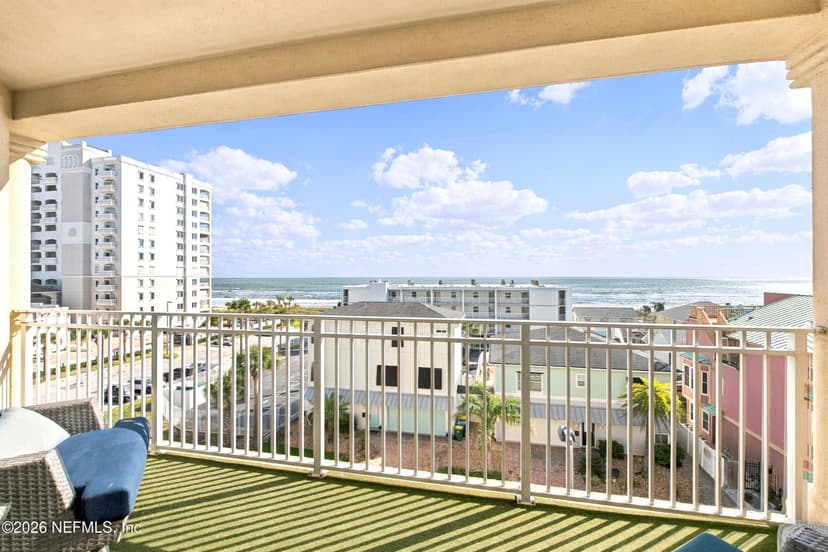
Oceanfront homes from the Jacksonville Beaches to Ponte Vedra Beach
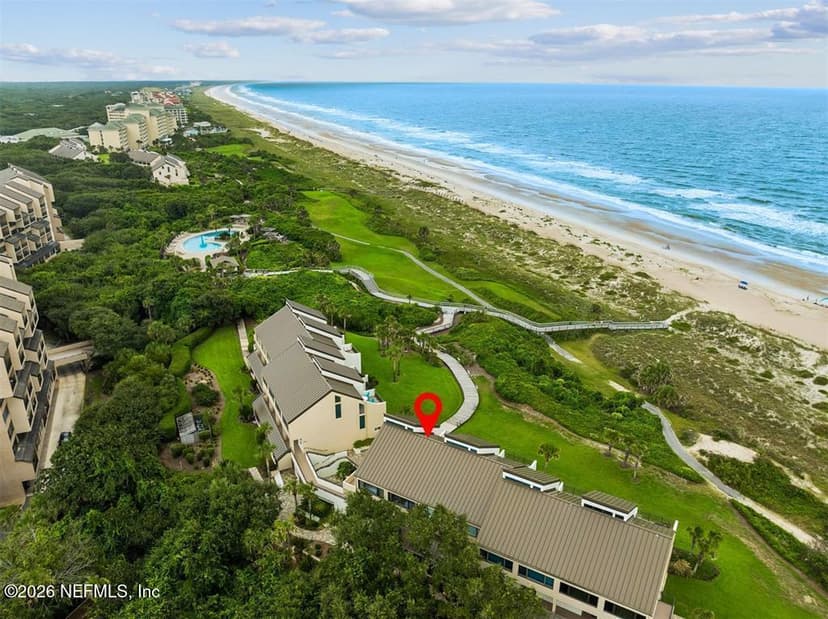
Both stretches were renourished in 2024. Every home reports ocean frontage in the MLS.
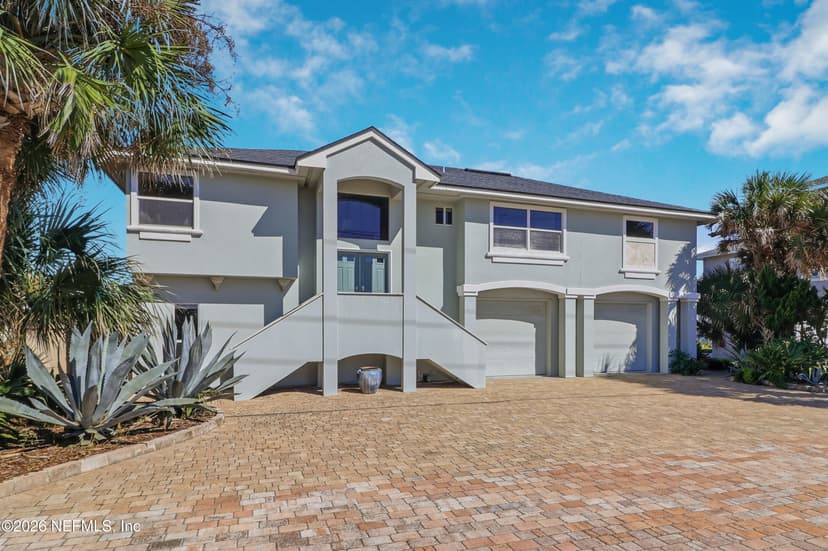
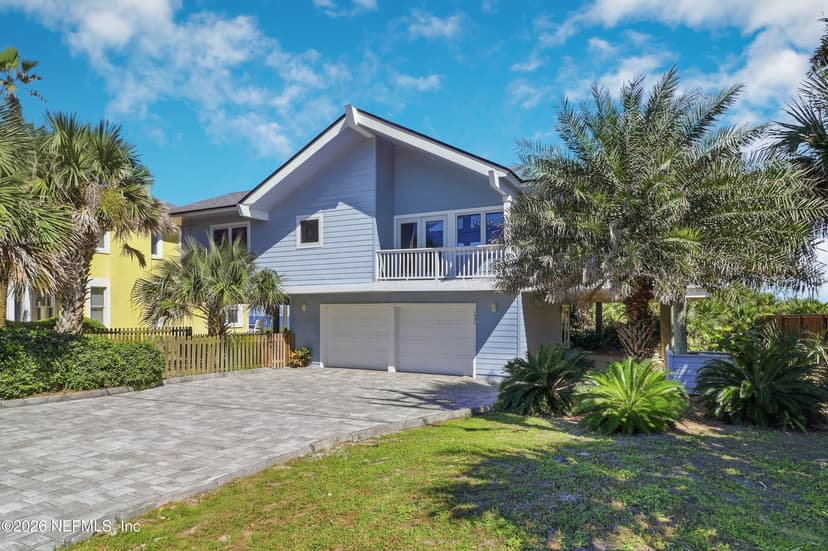
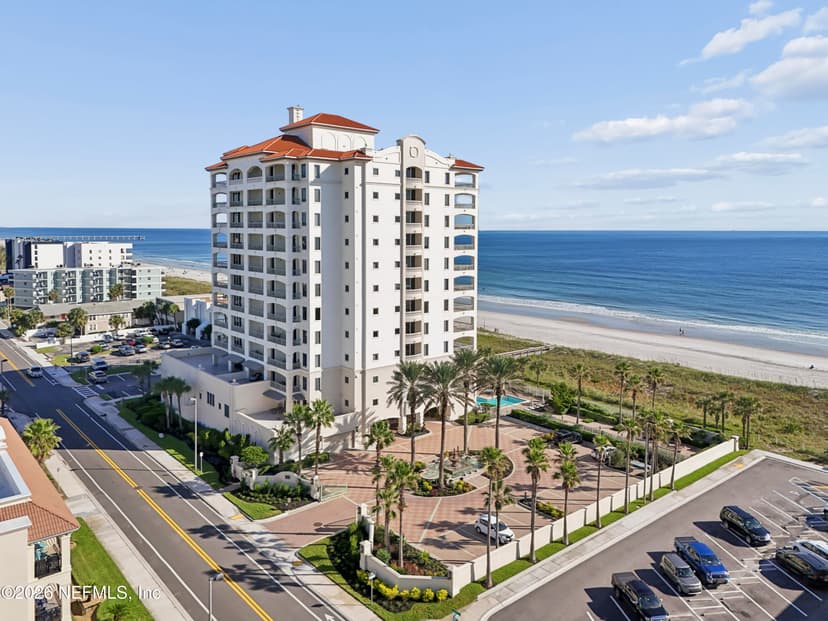
Amelia Island and the Duval beaches
On Amelia Island the city’s beach renourishment page tracked the 2025 work, the second periodic renourishment of Fernandina Beach under the Nassau County Shore Protection Project. Sand placement started near 2nd Street on May 12, finished south of Sadler Road on July 8, and the beach was handed back to the city for full use on July 23. The page does not post a date for the next round.
The Duval County Shore Protection Project is one of the oldest on this coast. The Corps built it in 1978-80 along about 10 miles from Naval Station Mayport through Hanna Park, Atlantic Beach, Neptune Beach and Jacksonville Beach, and renourished it in 1985-87, 1991, 1995, 2005, 2011 and 2016-17. The 2024 round placed about 1.3 million cubic yards. The City of Jacksonville is the local sponsor, and Atlantic Beach notes that the 2022 federal water resources act extended the project’s eligibility from 2028 to 2040.
St. Johns County, project by project
Ponte Vedra Beach had a county-led restoration in 2024: about nine miles from the Duval line to the GTM Reserve, more than two million cubic yards, finished in late June, roughly two months ahead of schedule. Most of the money came from the state, per St. Johns County.
South of there the beach is split among three projects. The South Ponte Vedra and Vilano Beach project is a 50-year partnership with the Corps; its first nourishment in 2020/2021 was hit hard by a nor’easter, and the second went down in 2023/2024. The South Ponte Vedra FEMA project between 2539 and 3175 S. Ponte Vedra Blvd. will rebuild a dune with a 15-foot crest and a 40-foot berm, with construction tentatively set for spring 2027. North of it, the Ponte Vedra to South Ponte Vedra project is the newest 50-year partnership: design is projected to start in November 2026, initial construction of 2.15 million cubic yards is potentially slated for summer 2029, and the county lists 10-year renourishment intervals after that.
St. Augustine Beach has the longest record in the county. Per the county’s Shore Protection Project page, sand went down in 2003, 2005, 2012, 2018 and 2024, about 12 million cubic yards across five events, from 4,000 feet north of Pope Road in Anastasia State Park to Ocean Hammock Park. The 2024 round, about 2.5 million cubic yards, finished in September and was fully federal.
At Summer Haven the county’s project page says the Corps plans to dredge the Intracoastal Waterway behind Summer Haven Island in 2027 and put that sand to use on the beach and dune. The county board voted on February 3, 2026 to fund permitting, engineering and design for two Summer Haven projects, one a dune and berm built from overwash sand taken out of the Summer Haven River.
The part nobody tells you: the next round can depend on your neighbors’ signatures
St. Johns County says the Army Corps now requires perpetual easements and waivers from 100 percent of the property owners in the St. Augustine Beach project area. The City of St. Augustine Beach has signed, and more than half of the owners have. Without full participation, the county says, the Corps will not come back to build future projects, and the project page now lists it as on pause.
The same question comes up farther north: the Ponte Vedra to South Ponte Vedra project will need 251 easements on private parcels, and the South Ponte Vedra FEMA project still needed 12. If you are buying on one of these stretches, it is worth asking the county’s Coastal Projects office (904-209-0260, coastalprojects@sjcfl.us) whether the parcel’s easement is on file. If you are selling, a signed easement is one less open question for the buyer.
Who pays, and how
The federal government, the state and the county each can carry part of the bill, in different shares on each project. On a federal project the Corps pays a share and a local sponsor pays the rest. On Flagler County’s project the Corps pays 65 percent and the county 35, and once initial construction is done, emergency renourishment after a significant storm is fully federal. That is what paid for the 2024 rounds at the Duval beaches and St. Augustine Beach, through the Corps’ Flood Control and Coastal Emergencies authority.
The state’s share comes through Florida DEP’s Beach Management Funding Assistance program, which offers local governments up to 50 percent of a beach project’s cost under section 161.101 of the Florida Statutes. To qualify, the beach has to be one DEP designates critically eroded, and it has to be open to the public. DEP updates its critically eroded beaches report every year. The local share in St. Johns County comes from the tourist development “bed tax,” and at Vilano also from a municipal service taxing unit, per the county’s project pages. For the Ponte Vedra to South Ponte Vedra project the county estimates its own share of the 50-year cost at 69 percent.
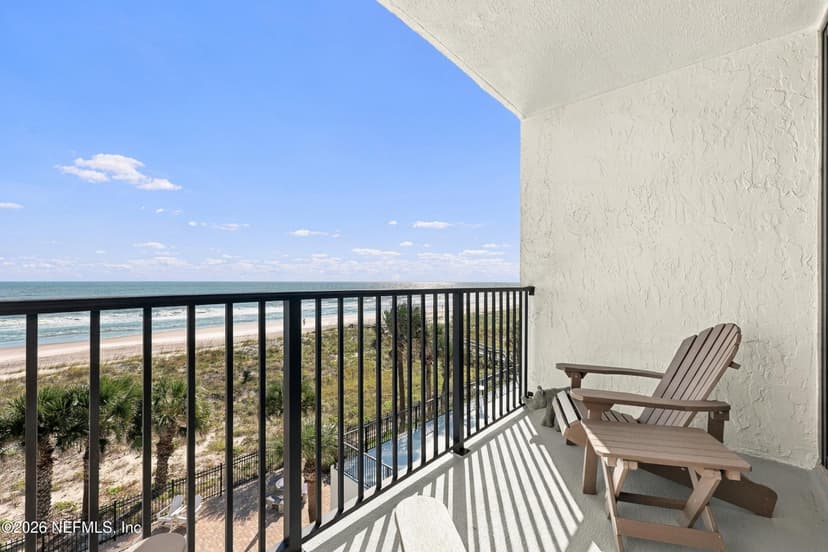
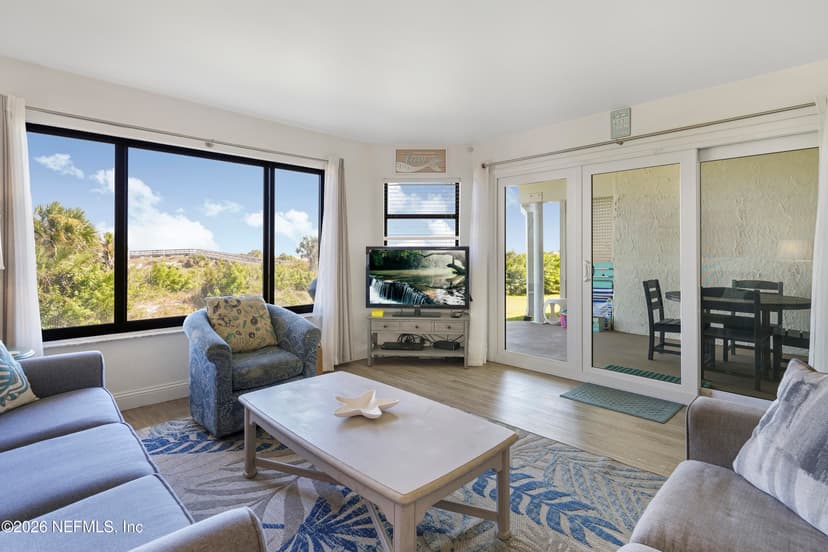
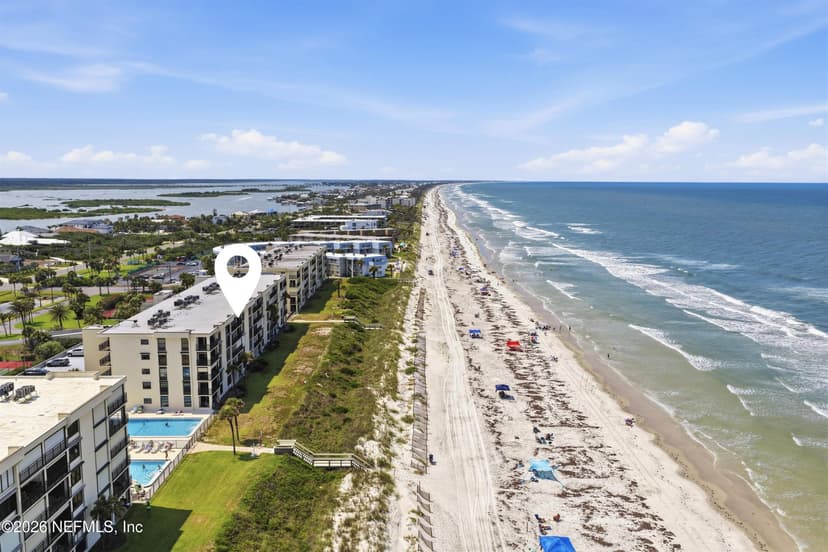
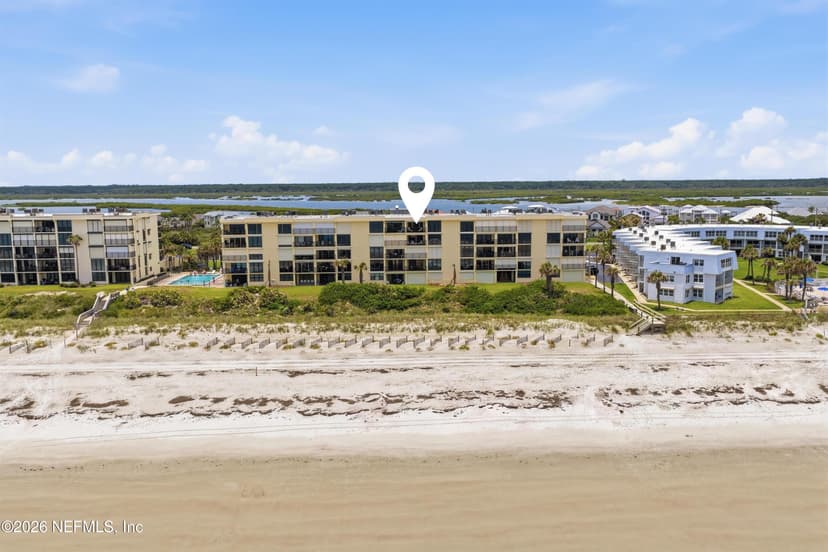
Oceanfront homes in St. Augustine
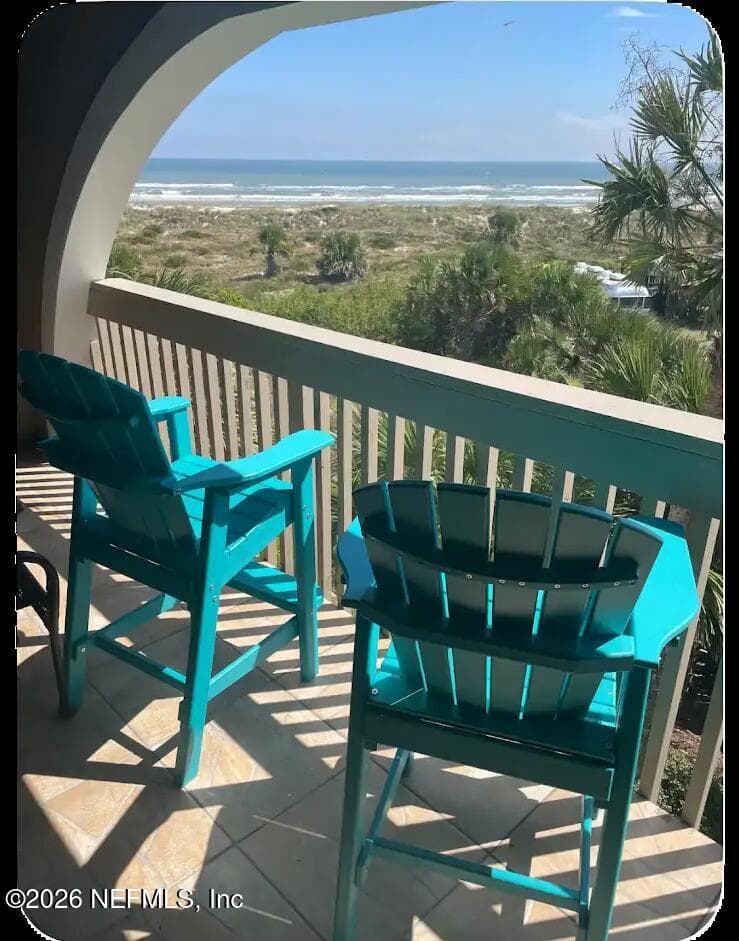
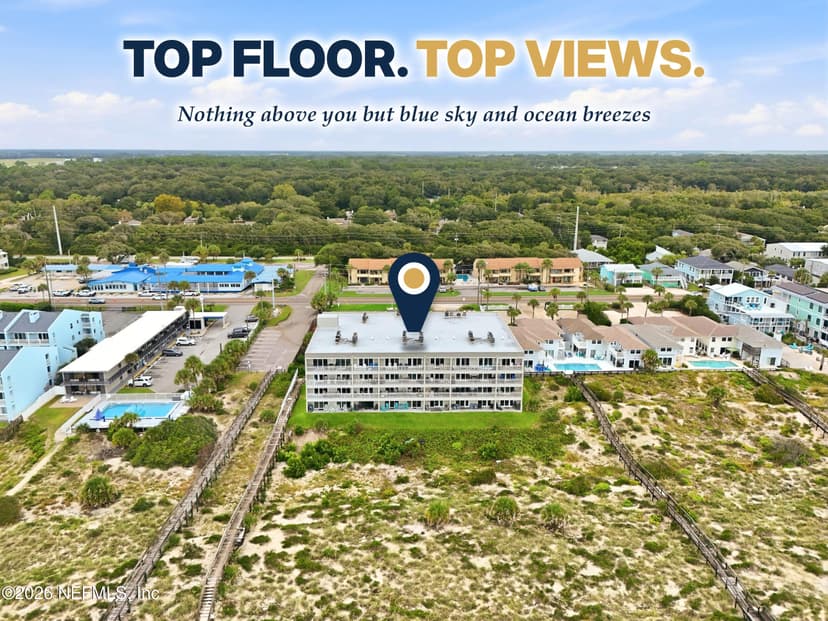
Vilano Beach to Crescent Beach. Every home reports ocean frontage in the MLS.
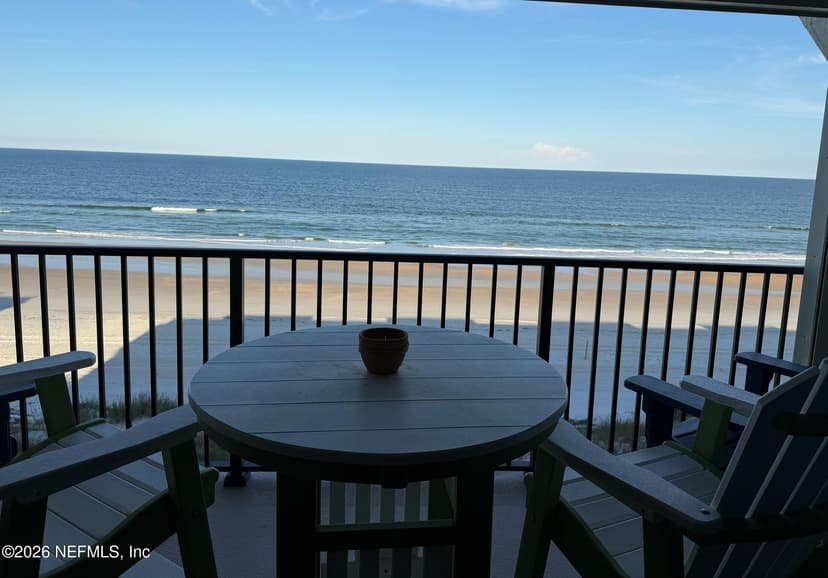
Living next to the work
A placement works its way down the beach, and the closure moves with it. On St. Augustine Beach, the county explains, dredging and placement run around the clock, the active section is fenced off with orange construction fencing, and access reopens as each stretch is finished. At night the work advances no more than 500 feet, fenced before dark. Expect backup beepers and bulldozers when the pipe is in front of the house.
The work can run in sea turtle season. Trained monitors check the beach daily for turtles and shorebirds, nests laid in the work zone are moved to safe spots nearby, and project lighting is shielded. In Duval in 2024 the Corps credited the local sea turtle patrol with relocating nests around the clock, and it shrank the work zone and paused for the Fourth of July. On Fernandina Beach the city kept pedestrian detours around the active area and briefly closed the Seaside Park vehicle access.
Fresh sand from an offshore borrow area is where beachcombers go looking for fossil shark teeth. The shark teeth and shells guide covers what you can keep and where.
The erosion control line
Before the state restores a beach, Florida’s Beach and Shore Preservation Act has the Board of Trustees fix the boundary between state land and private upland. Under section 161.141 the mean high-water line is set for the area first. The board then sets an erosion control line after a public hearing, guided by that existing mean high-water line under section 161.161, and mails notice to upland owners within 1,000 feet. Flagler County posted exactly such a notice to owners for its Reach 2 project on its coastal projects page.
Once the line is recorded, section 161.191 vests title seaward of it in the state and landward of it in the upland owner, and later erosion or accretion no longer moves the boundary. The new sand in front of the line is state land. The owner does not lose the beach that matters day to day: section 161.201 keeps the owner’s common-law riparian rights, including access, view, boating, bathing and fishing, and bars the state from allowing structures on the created land other than erosion-control structures. The erosion control line is a different line from the coastal construction control line covered on the dunes and sea oats page.
Flagler Beach
Flagler is the newest federal project on this stretch of coast. The Corps finished beach construction on August 29, 2024 along 3.5 miles of critically eroded shoreline, with sections north and south of the federal project filled at the same time with non-federal money. It is a 50-year project, built to protect A1A, the evacuation route. Flagler County’s own Reach 2, from about 1,900 feet north of Varn Park to just north of the Flagler Beach Pier, is listed on the county’s page as in progress, alongside a run of dune restorations since 2023.
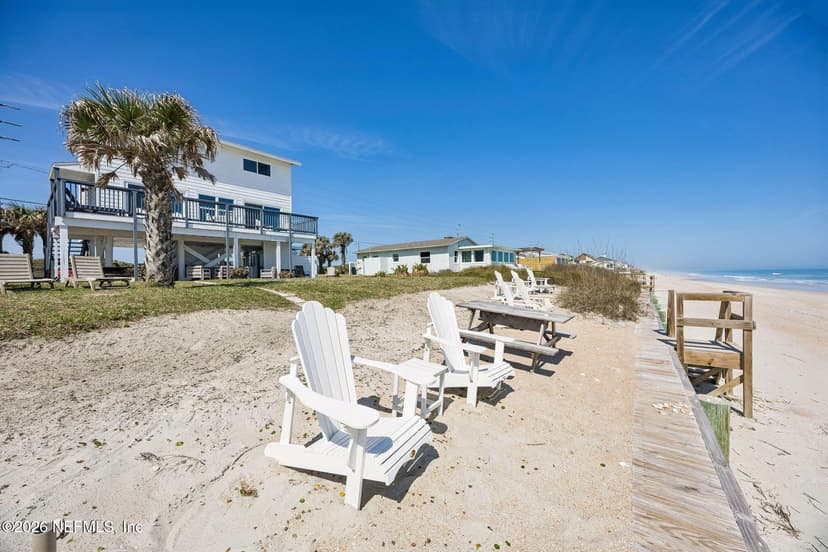
Oceanfront homes on Amelia Island
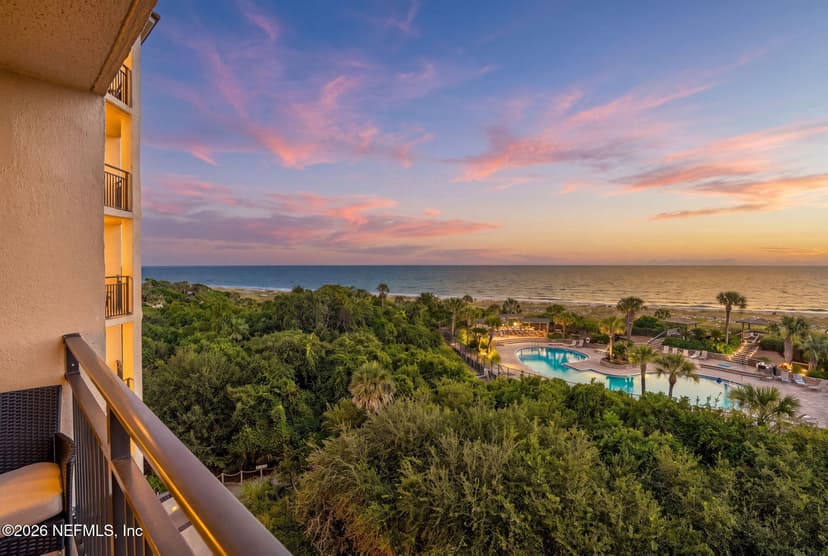
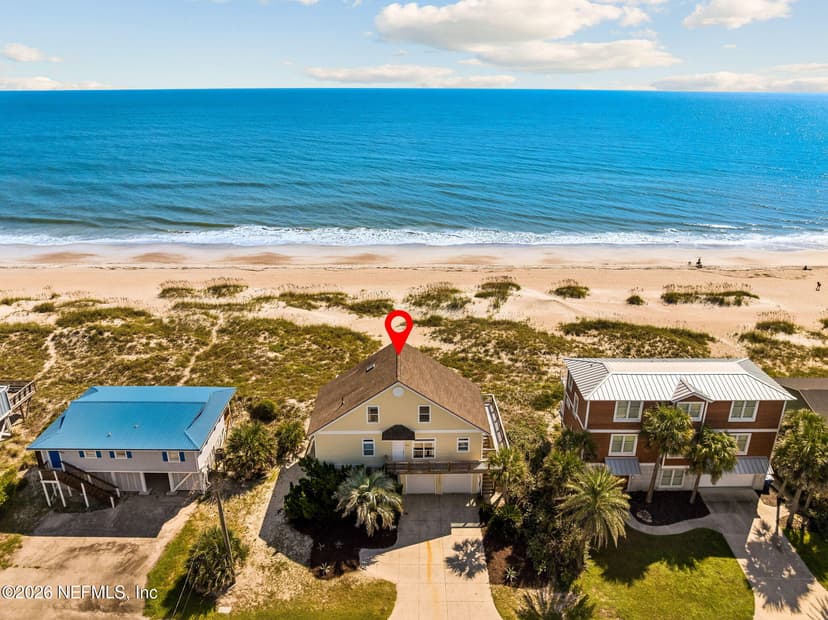
Fernandina Beach was renourished in 2025. Every home reports ocean frontage in the MLS.
This is the work I do every week. Looking at an oceanfront home and want to know when its beach last got sand, or whether the easement is signed? Send me the address and I'll pull the project page for that stretch.
Work with Krista (904) 709-7917 TextSave contact
By texting Krista you agree to receive conversational SMS text messages from Krista Fracke about your home search or sale. Message frequency varies. Message and data rates may apply. Reply STOP to unsubscribe, HELP for help. Terms: www.kristafracke.com/terms. Privacy: www.kristafracke.com/privacy.
Broker Associate · Christie's International Real Estate First Coast · 20+ years · 500+ closings
Common questions
When was Jacksonville Beach last renourished?
The Army Corps finished sand placement for the 2024 Duval County renourishment that summer, about 1.3 million cubic yards along roughly 10 miles from Mayport to the St. Johns County line, including Atlantic Beach, Neptune Beach and Jacksonville Beach. It was federally funded under the Flood Control and Coastal Emergencies program after Ian and Nicole in 2022. The Corps lists earlier renourishments in 1985-87, 1991, 1995, 2005, 2011 and 2016-17.
When is the next St. Augustine Beach renourishment?
St. Johns County lists the St. Augustine Beach project as on pause. The Army Corps now requires perpetual easements and waivers from every property owner in the project area, and the county says more than half have signed. The last placement, about 2.5 million cubic yards, finished in September 2024.
Who pays for beach renourishment in Florida?
It depends on the project. On a federal project the Army Corps shares the cost with a local sponsor, such as the 65/35 split on Flagler County’s project, and repairs after a qualifying storm can be fully federal. Florida DEP’s Beach Management Funding Assistance program offers local governments up to 50 percent of a beach project’s cost on beaches the department designates critically eroded, provided the beach is open to the public. St. Johns County adds tourist development tax money and, at Vilano, special taxing unit funds.
Do oceanfront owners have to sign an easement for beach renourishment?
The Corps asks for them on its St. Johns County projects. St. Johns County says the Corps requires perpetual easements and waivers from all owners in the St. Augustine Beach project area, the Ponte Vedra to South Ponte Vedra project will need 251 easements on private parcels, and the South Ponte Vedra FEMA project was still working on 12. The county’s Coastal Projects office answers questions about a specific parcel.
Does the state own the new beach after renourishment?
Under Florida’s Beach and Shore Preservation Act, an erosion control line is set before a restoration project. Once it is recorded, land seaward of the line belongs to the state and land landward of it belongs to the upland owner, and the boundary stops moving with later erosion or accretion. The owner keeps common-law riparian rights such as access, view, boating, bathing and fishing, and the state may not allow structures on the created land other than erosion-control structures.
The First Coast beaches →
A local guide from Amelia Island to Matanzas.
The dune in front of your house →
Sea oats, walkovers and the coastal construction line.
Oceanfront cost of ownership →
Wind and flood insurance, flood zones, dunes and erosion.
Building on the ocean in Ponte Vedra Beach →
New construction seaward of the line.
Building on the ocean in St. Augustine →
New construction on the St. Augustine shore.
Shark teeth and shells →
What turns up on the beach and what you can keep.
Oceanfront homes →
Every home on the sand, live from the MLS.
Want a house on a beach that keeps getting sand?
Tell me the stretch you like. I’ll send the oceanfront homes there.