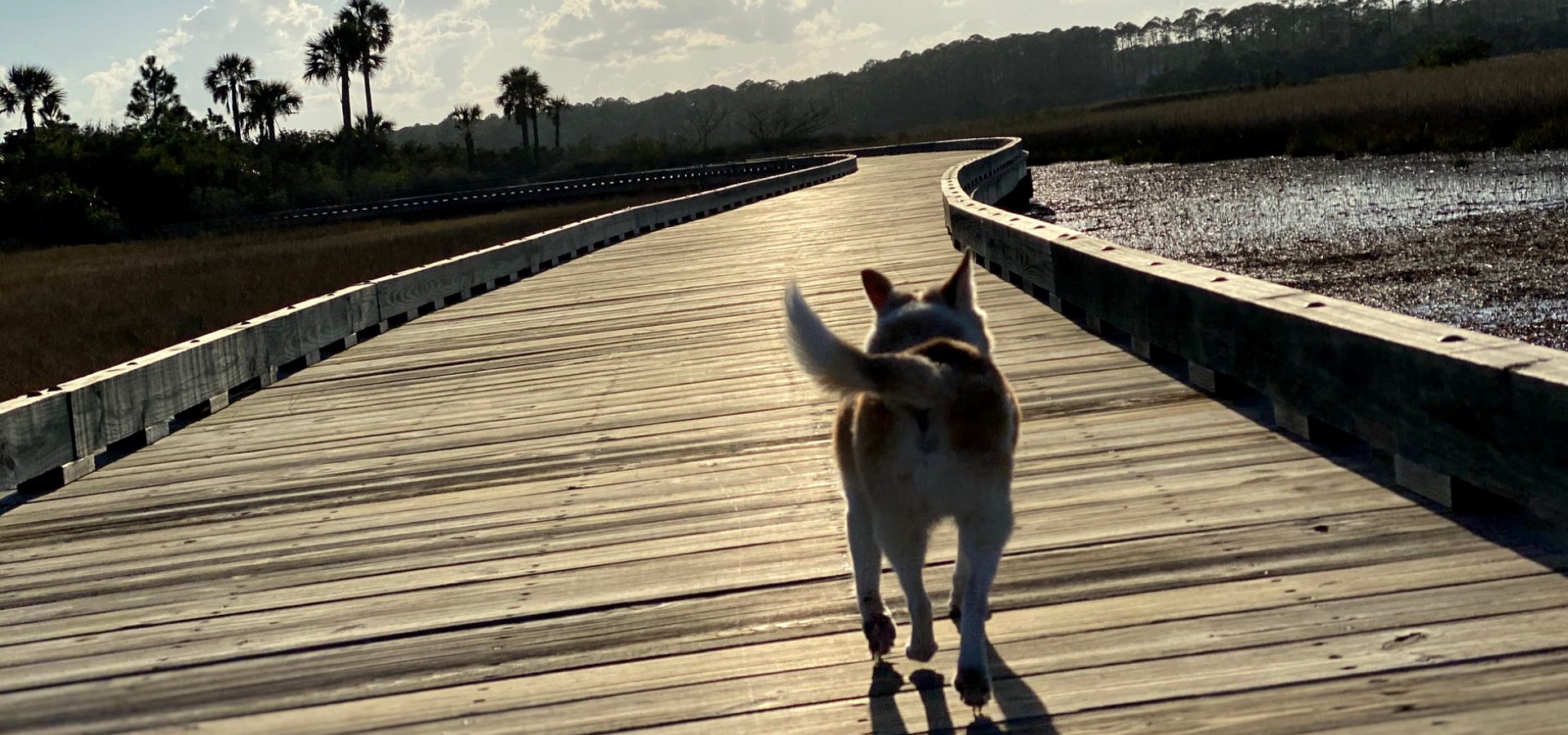
The dune in front of your house: sea oats, walkovers and the coastal construction line.
The dune is the oceanfront home’s first line of defense, and the sea oats on it are what keep it growing. Here is what an owner between Amelia Island and Matanzas Inlet can do to look after it, which jobs need a permit and from whom, and what the state allows after a storm.

By Krista Fracke — Broker Associate, Christie's International Real Estate First Coast · 20+ years in Northeast Florida · 500+ closings · client reviews
If you own on the sand
I’m Krista Fracke. On an oceanfront lot the dune does real work for the house, and Florida law treats it that way. Most of the upkeep an owner wants to do is allowed. A few jobs need a call to the state first, and this page sorts out which.
Usually fine on your own
Tending ornamental plants without hurting the native ones, sweeping windblown sand off the pool deck and returning it to the beach, and repairs inside the footprint of the house that leave the foundation alone.
Call FDEP first
Cutting or trimming dune plants, a new walkover or beach mat, a sand fence, or adding sand to the dune. The CCCL program at 850-245-8570 or CCCL@FloridaDEP.gov will point you to the field inspector for your county.
Mind the calendar
Sea turtle nesting season here runs May 1 through October 31. Walkovers can’t be built then, and equipment on the beach in season needs a permit or FWC coordination, so plan dune work for the off-season.
What the dune does for the house
Florida DEP’s guide for coastal homeowners calls the beach and dune system the first line of defense against storms. Storm surge and waves meet the beach and dunes before they reach the house. The sand a storm pulls off the dune may only be carried out to the offshore bar for a while, and the damage to the house is less for it.
The plants are what hold the dune together. Per DEP’s dune plant maintenance guidelines, sea oats, sea grapes and the other salt-tolerant plants on a dune trap and stabilize windblown sand, cut erosion from wind and storms, buffer the house against surge and salt spray, shelter wildlife, and block light from reaching nesting sea turtles. They also grow back on their own after storms. What they can’t take is steady foot traffic, which is why the walkover matters so much.
The coastal construction control line, in plain terms
The coastal construction control line (CCCL) marks where the state’s permitting authority starts. DEP describes it as a line of jurisdiction rather than a setback or a line of prohibition: building, remodeling and repairs are all allowed seaward of it, and the work that is not exempt needs a CCCL permit. The state has set these lines in 25 coastal counties with sandy beaches.
Seaward of the line, section 161.053 of the Florida Statutes bars anyone from digging, removing beach sand, changing ground elevations, driving across a dune, or damaging a dune or the plants growing on it, except as the law provides. To see where your lot sits, open DEP’s Map Direct and look for the solid red line.
Building a new house or adding onto one is a bigger subject with its own pages: building on the ocean in Ponte Vedra Beach and building on the ocean in St. Augustine. This page stays with the dune itself.
Common dune jobs and who permits them
These are the jobs owners ask about most, for property seaward of the CCCL. When a job is close to a line, DEP’s field inspectors will tell you whether it is exempt before you start.
| Job | Permit? | From whom |
|---|---|---|
| Trim or cut sea oats, sea grapes or other native dune plants seaward of the CCCL | Yes, a CCCL permit | FDEP; a CCCL field inspector can issue a field permit |
| Maintain ornamental or non-native landscape plants without damaging native dune plants or digging | No (exempt) | None |
| New landscape plantings at least 30 feet landward of the frontal dune, with no digging into existing grade and no removal of native salt-tolerant plants | No (exempt) | None |
| Plant sea oats and other native dune plants on the dune | May be required | Ask FDEP CCCL staff first |
| Install a sand fence seaward of the CCCL | Yes, before installation | FDEP |
| Build or replace a dune walkover, or lay an on-grade beach mat | Yes | FDEP; not during May 1 to October 31 |
| Sweep windblown sand off the pool deck, patio, walkway or beach access ramp and return it to the beach and dune | No (exempt) | None |
| Beach or deck furniture and awnings | No (exempt) | None |
Sources: FDEP dune plant maintenance guidelines, FDEP homeowner’s guide to the CCCL program, FDEP dune planting recommendations, FDEP sand fence guidelines, FDEP dune walkover guidelines.
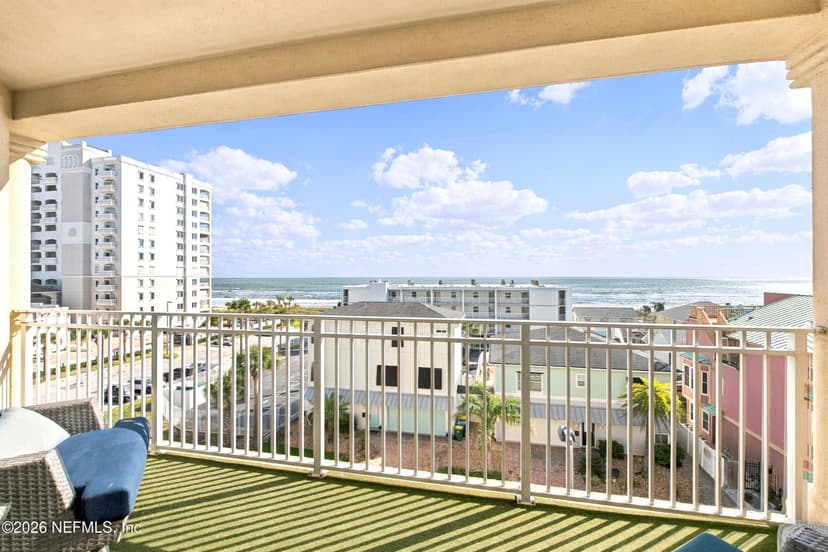
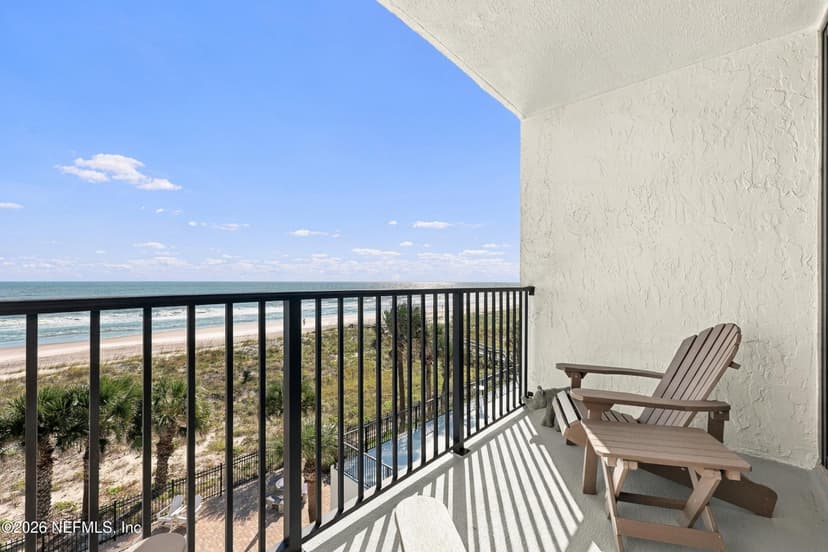
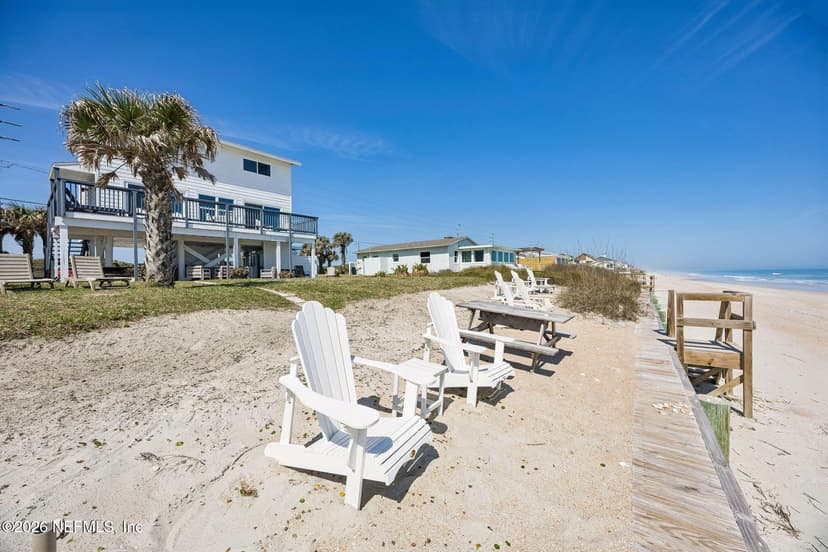
Oceanfront homes from Ponte Vedra Beach to the Jacksonville Beaches
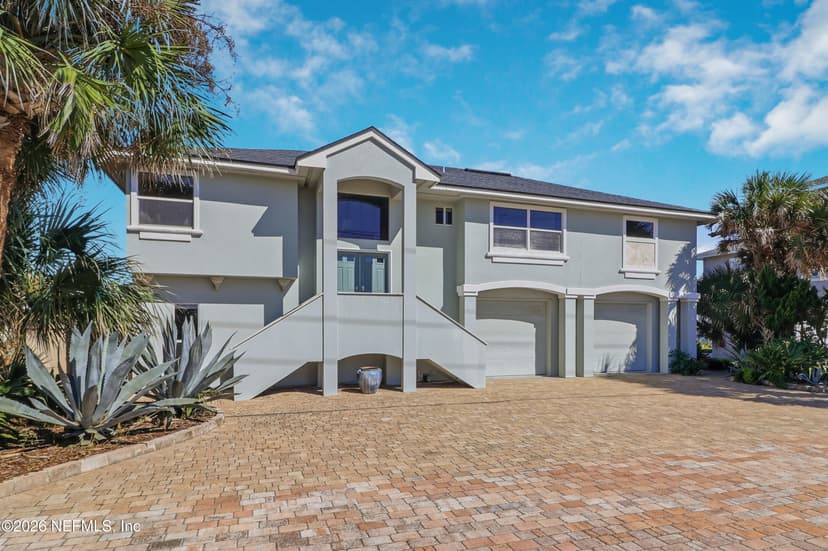
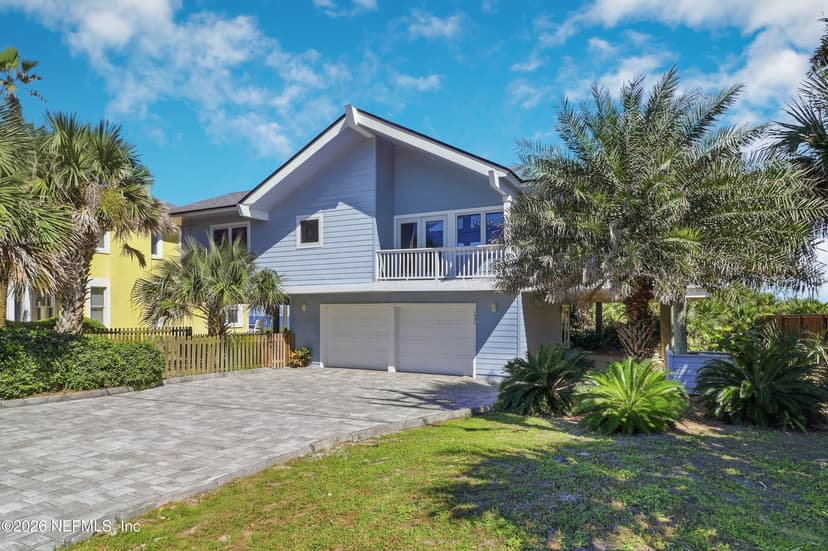
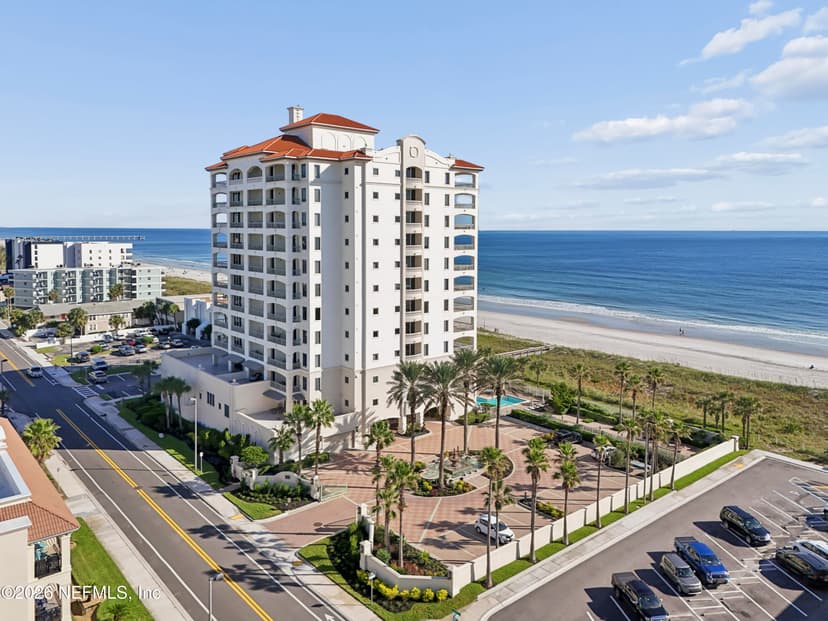
Homes with a dune and a walkover of their own. Every home reports ocean frontage in the MLS.
Sea oats and sea grapes
Sea oats are the dune builder. As blowing sand piles up around them, DEP’s Building Back the Sand Dunes brochure explains, new roots form on the buried stems and new stems push up through the sand, so the dune keeps growing. Section 161.242 of the Florida Statutes makes it unlawful to cut, harvest, remove or eradicate sea oats or sea grapes from public land, or from private land without the owner’s consent. Anyone other than the landowner found holding them is presumed to have broken the law. Licensed nurseries that grow them from seed or cuttings may sell them, which is where dune plants for your own planting should come from.
The owner’s consent is not the end of it, though. Seaward of the CCCL the dune plant rules apply to owners too. DEP’s guidelines say owners and their landscapers cannot cut down or damage beach dune plants there without a CCCL permit. Damage includes trampling, digging up and cutting beyond accepted pruning standards. DEP notes that sea grapes tolerate heavy pruning, and its staff will help decide whether a trim is exempt or needs a field permit. Native dune plants damaged without a permit have to be replaced to DEP’s approval.
The towns post the same message for everyone else on the beach. Jacksonville Beach asks people to keep off the dunes and not pick the sea oats, and notes that sitting, standing and playing on the dunes is unlawful under state law. St. Johns County asks beachgoers to use the walkovers and not to remove beach sand or vegetation.
The walkover
A walkover keeps feet off the plants so the dune can hold and grow. DEP treats it as a minor, expendable structure, designed to use as little material as possible so less of it becomes debris in a storm. Its walkover guidelines set the shape most permits follow:
Size and posts
- A single-family walkover is no wider than 4 feet, on posts no wider than 4 inches; round posts are preferred.
- Posts go at least 5 feet into the ground and are never set in concrete.
- Over the dune crest, at least 3 feet of clearance from the ground to the top of the deck, so sand and plants can build underneath.
- Open railings rather than pickets.
Where it ends and what can be on it
- The beach end reaches the toe of the dune and goes no more than 10 feet seaward of the vegetation line.
- No deck on the frontal dune. Landward of the dune crest, a deck can be cantilevered up to 2 feet on each side.
- No roof. A shower can run only to the landward end, with a shutoff valve recommended in the uplands.
- Lights are generally prohibited on a walkover.
A permit is needed for most walkovers on the open Atlantic, and in this part of Florida they cannot be built during sea turtle nesting season, May 1 through October 31. Where the dune is low and the plants are sparse, DEP says an on-grade sand or shell path can do the job, but an on-grade beach mat still counts as a structure that needs a CCCL permit.
The part nobody tells you: the CCCL survey is yours to ask for
When a property sits partly or fully seaward of the CCCL, section 161.57 requires the seller to give the buyer a written coastal disclosure at or before the contract. At or before closing, the seller also owes the buyer an affidavit or a survey showing where the line crosses the property, unless the buyer waives it in writing.
That survey is the most useful page in an oceanfront closing file. It tells you which part of the yard and dune is under the state’s permitting rules, which is what every job on this page turns on. If you are buying, ask for it rather than waive it. If you are selling, having it ready is one less thing for the buyer to wait on.
Growing the dune back: sand fences and planting
Sand fences and new plants are how a thin dune gets bigger. A permit from DEP is required before any sand fence goes in seaward of the CCCL. Per DEP’s sand fence guidelines, the fence sits as far landward as practicable, built of untreated wood where possible. On the nesting beach it goes in as separate short spurs, no more than 10 feet long and 4 feet high, at least 7 feet apart, angled to the prevailing wind, in a single row, with the landward post at least 5 feet from a seawall or dune scarp so a nesting turtle can’t get trapped. Fences only hold sand when plants grow in to stabilize it, and damaged fences have to be repaired or removed.
For the planting, DEP’s dune planting recommendations call sea oats an ideal choice for almost any beach or dune site. Bitter panicum spreads out sideways, and railroad vine and beach morning glory send long runners across bare sand. DEP suggests buying from local nurseries that use plant stock native to the region, planting no farther seaward than the existing line of dune plants, clearing invasive plants and litter first, and leaving the seaweed wrack in place, since it carries seeds of other native dune plants. It also notes that a permit may be required, so a call to CCCL staff comes first. DEP’s Building Back the Sand Dunes brochure suggests planting in early fall or spring, when the plants need the least watering.
Lights near the dune
The dune plants double as a light screen for nesting turtles, and DEP connects the two. Trimming or removing beachfront vegetation must not make artificial light more visible from the beach. Before cutting back sea grapes in front of the house, DEP suggests swapping any fixtures visible from the beach for shielded ones. On the walkover itself and at beach access points, any lighting has to be long-wavelength, downward-directed and fully shielded, and not visible from the beach.
FWC’s beachfront lighting rules come down to keeping fixtures low, shielded and on long-wavelength bulbs (amber, orange or red), and FWC recommends planting vegetation buffers between lights and the beach. Each town’s own lighting rule is in the sea turtle season guide.
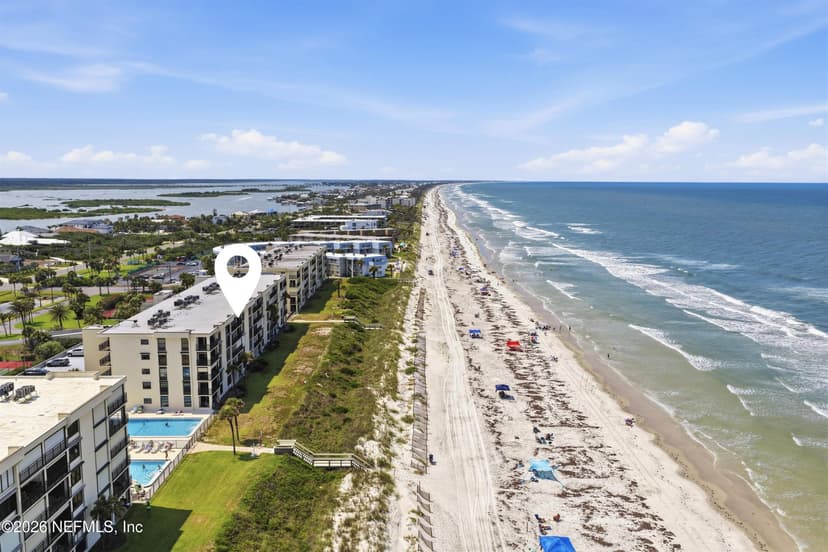
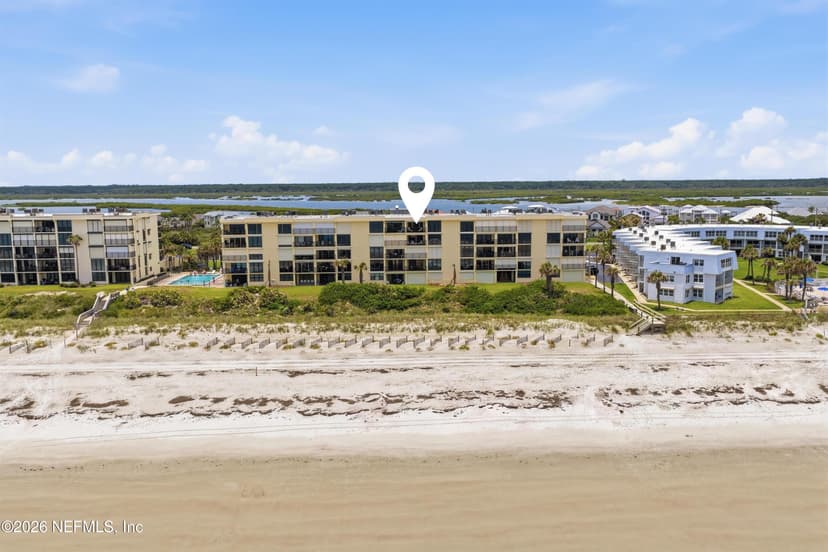
Oceanfront homes in St. Augustine
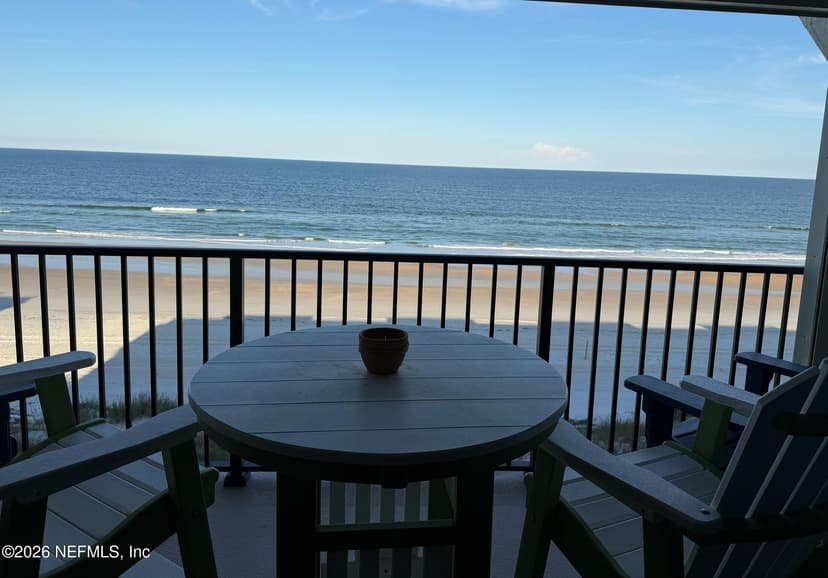
Vilano Beach to Crescent Beach, where the dune is the front yard. Every home reports ocean frontage in the MLS.
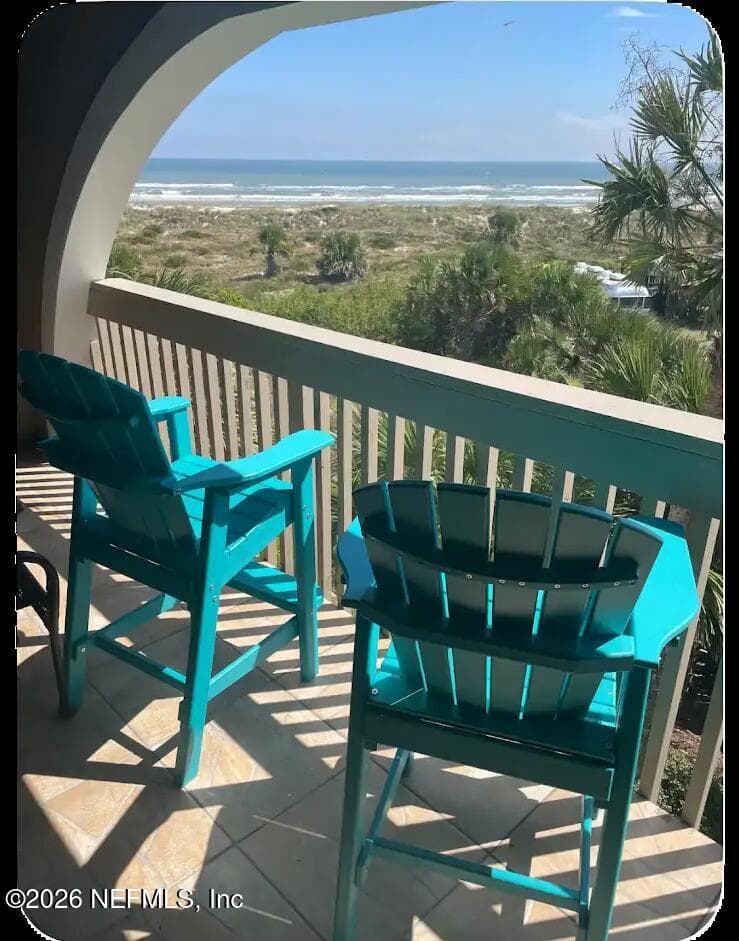
After a storm
Dune plants are built to come back, and the state has a set path for the cleanup. After each major storm DEP issues an Emergency Final Order, and its post-storm handout for property owners lays out what is allowed seaward of the CCCL:
| Work | What it needs | Conditions |
|---|---|---|
| Clearing storm debris from the yard, landward of the dune | No CCCL permit | Separate the sand from the debris and keep the sand on site |
| Windows, doors, siding, decking and handrails | No CCCL permit | Follow the building code; use tinted turtle glass |
| Repairing or replacing the walkover or beach access ramp | Local building permit and/or a CCCL Emergency Field Permit | No more than 10 feet seaward of the dune or vegetation line; no digging into the dune or damage to its plants |
| Moving storm-washed sand from the yard back to the beach or dune | Local permit and/or a CCCL Emergency Field Permit | No beach scraping; sand cleaned of debris and placed on bare areas, not on plants |
| Rebuilding the dune with trucked-in sand | Local permit, a CCCL Emergency Permit or a CCCL Emergency Field Permit, depending on the volume | Beach-compatible sand that meets DEP’s specifications; none seaward of marked turtle nests |
The order does not cover new permanent structures that weren’t there before the storm, beach scraping, or a rebuilt dune with geotextile tubes as its core. Sweeping clean windblown sand off the pool, patio, walkway or access ramp and returning it to the beach stays exempt. Insurance, flood zones and the other costs of owning on the sand are on the oceanfront cost of ownership page.
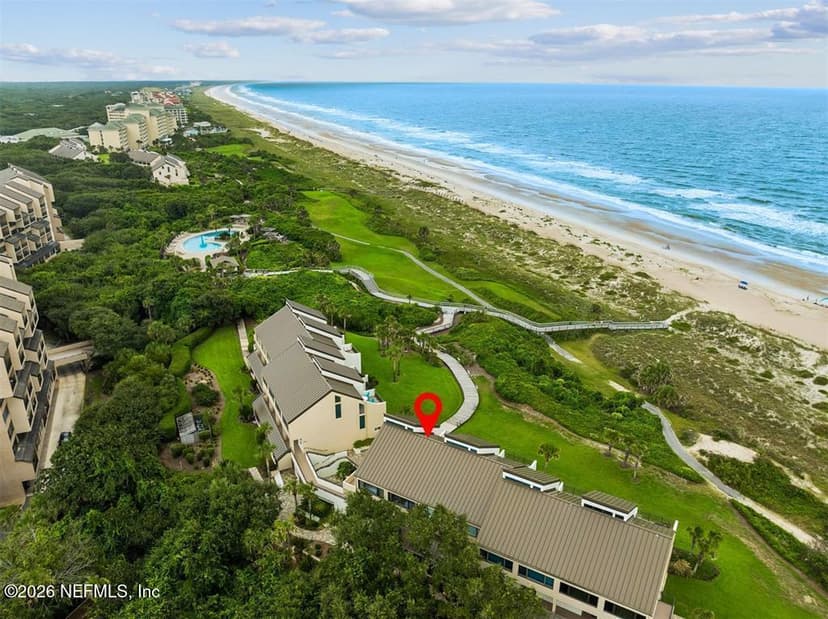
Oceanfront homes on Amelia Island
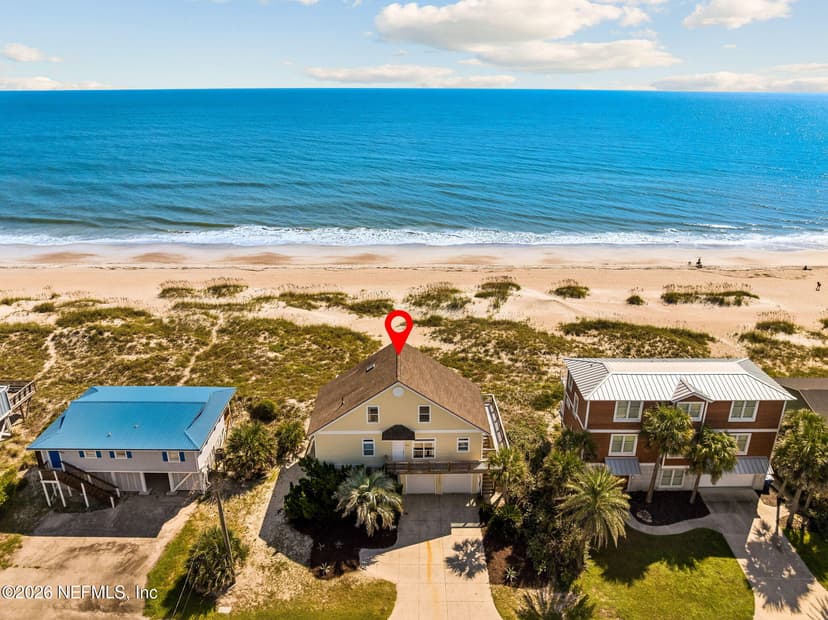
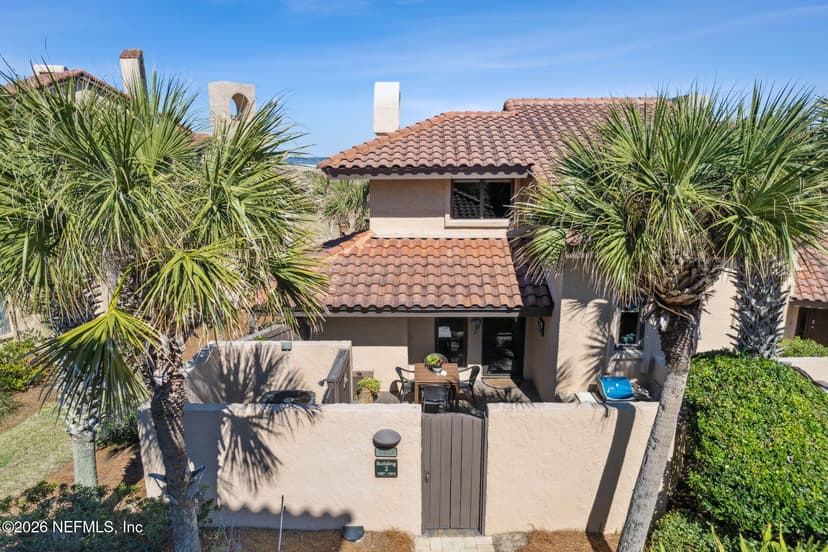
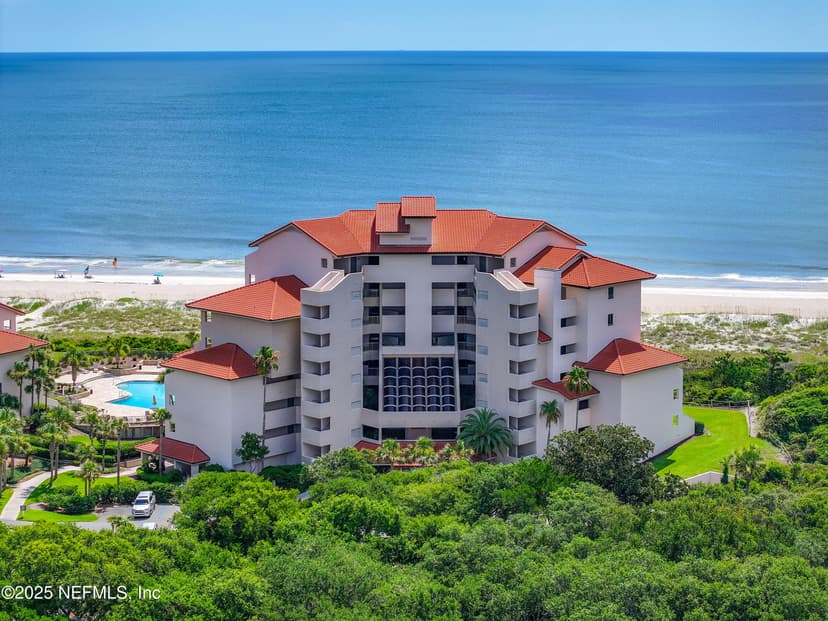
Island homes and condos with the dune between the porch and the surf. Every home reports ocean frontage in the MLS.
This is the work I do every week. Looking at an oceanfront home and wondering what you can do with the dune in front of it? Send me the address, and we'll look up where the state's line crosses it on the DEP map.
Work with Krista (904) 709-7917 TextSave contact
By texting Krista you agree to receive conversational SMS text messages from Krista Fracke about your home search or sale. Message frequency varies. Message and data rates may apply. Reply STOP to unsubscribe, HELP for help. Terms: www.kristafracke.com/terms. Privacy: www.kristafracke.com/privacy.
Broker Associate · Christie's International Real Estate First Coast · 20+ years · 500+ closings
Common questions
Is it illegal to pick sea oats in Florida?
Yes. Florida Statutes section 161.242 makes it unlawful to cut, harvest, remove or eradicate sea oats or sea grapes from public land, or from private land without the owner’s consent. Possessing them, if you are not the landowner, is prima facie evidence of a violation. Licensed nurseries that grow sea oats from seed or by propagation may sell them.
Can I trim the sea oats or sea grapes in front of my own oceanfront house?
Owning the land is not the whole answer. Seaward of the coastal construction control line, section 161.053 bars damaging a dune or the vegetation growing on it without a Florida DEP permit, and DEP’s dune plant guidelines say owners cannot cut down or damage beach dune plants there without a CCCL permit. CCCL field inspectors can visit, talk the job through and issue a field permit when one is needed.
Do I need a permit to build a dune walkover in Florida?
In most cases, yes. Florida DEP requires a permit for walkovers on most sandy beaches on the open Atlantic, and where a CCCL is in place a permit covers any work that could cause erosion or damage dune plants. In Northeast Florida walkovers cannot be built during sea turtle nesting season, May 1 through October 31.
How do I know if my property is seaward of the coastal construction control line?
Florida DEP’s Map Direct shows the CCCL as a solid red line. DEP publishes a how-to guide for property owners and real estate agents. When a property sits partly or fully seaward of the line, Florida law requires the seller to give the buyer a written coastal disclosure at or before the contract.
Can I repair my dune walkover after a hurricane?
Usually, under the Emergency Final Order Florida DEP issues for each major storm. DEP’s handout for property owners lists walkover repairs and replacement under a local building permit and/or a CCCL Emergency Field Permit, kept within 10 feet seaward of the dune or vegetation line, with no digging into the dune and no damage to dune plants.
The First Coast beaches →
A local guide from Amelia Island to Matanzas.
Oceanfront cost of ownership →
Wind and flood insurance, flood zones, dunes and erosion.
Building on the ocean in Ponte Vedra Beach →
New construction seaward of the line.
Building on the ocean in St. Augustine →
New construction on the St. Augustine shore.
Sea turtle season →
The nests, the lights and the rules, town by town.
Oceanfront homes →
Every home on the sand, live from the MLS.
Want a house with a healthy dune in front of it?
Tell me the stretch of beach you like. I’ll send the oceanfront homes there.