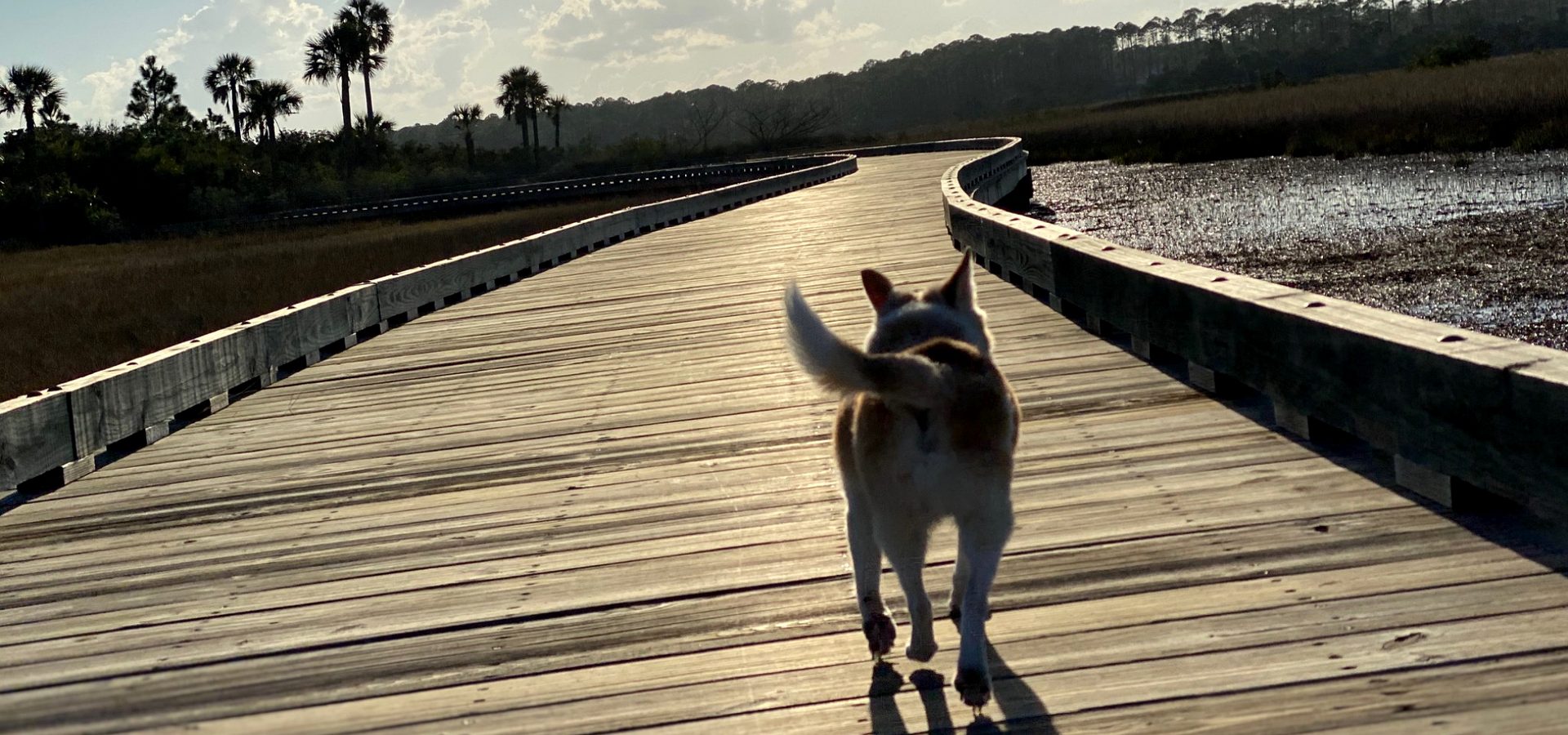
Shark teeth and shells, and what you can keep.
Fossil shark teeth wash up at the tide line from Amelia Island to Matanzas. Whether you can pocket one depends on who owns the sand: an open public beach, a state park or a national monument each have their own rule.

By Krista Fracke — Broker Associate, Christie's International Real Estate First Coast · 20+ years in Northeast Florida · 500+ closings · client reviews
What you can keep, by who owns the beach
I’m Krista Fracke, and this is the short version I give anyone new to these beaches. On the open public beaches, empty shells and fossil shark teeth are yours to keep: the Florida Fossil Permit excludes shark and ray teeth, and FWC asks for a saltwater fishing license only when a shell still has a live animal in it. The parks are where the rules change.
| Beach | What you can keep |
|---|---|
| Open public beachesCounty and city beaches outside the parks | Empty shells and fossil shark teeth. A live shell needs a saltwater fishing license. |
| Fort Clinch State ParkNassau County · Florida State Parks · Directions | Empty shells, sea glass and shark teeth between the waterline and the toe of the dunes. Leave live shells and live sand dollars. |
| Amelia Island State ParkNassau County · Florida State Parks · Directions | Empty shells, sea glass and shark teeth between the waterline and the toe of the dunes. Leave live shells and live sand dollars. |
| Big Talbot Island State ParkDuval County · Florida State Parks · Directions | Empty shells, sea glass and shark teeth between the waterline and the toe of the dunes. Leave live shells and live sand dollars. |
| Little Talbot Island State ParkDuval County · Florida State Parks · Directions | Empty shells, sea glass and shark teeth between the waterline and the toe of the dunes. Leave live shells and live sand dollars. |
| Huguenot Memorial ParkDuval County · City of Jacksonville · Directions | No park rule on shells found; follow the posted signs. |
| Kathryn Abbey Hanna ParkDuval County · City of Jacksonville · Directions | No park rule on shells found; follow the posted signs. |
| GTM Research Reserve, Guana trailsSt. Johns County · GTM Research Reserve (Florida DEP) · Directions | State land, but not a state park; ask the reserve before you take anything. |
| Anastasia State ParkSt. Johns County · Florida State Parks · Directions | Empty shells, sea glass and shark teeth between the waterline and the toe of the dunes. Leave live shells and live sand dollars. |
| Fort Matanzas National MonumentSt. Johns County · National Park Service · Directions | Nothing. No shells, no shark teeth: federal park rules protect both. |
| Washington Oaks Gardens State ParkFlagler County · Florida State Parks · Directions | Empty shells, sea glass and shark teeth between the waterline and the toe of the dunes. Leave live shells and live sand dollars. |
State parks: Florida State Parks FAQ (the Florida Museum’s permit page says no collecting at all in state parks; the parks, which manage the land, allow the beach-zone exception, so check the signs at the gate). National Park Service: 36 CFR 2.1 and the Fort Matanzas compendium.
Where the teeth turn up, and when
Look at the tide line, in the bands of broken shell and dark grit the waves sort out, and go at low tide when the most beach is showing. State park staff describe the search the same way: small, dark triangles mixed into the shell hash. The days after a nor’easter or a stretch of rough surf reshuffle the sand and are worth a walk.
Most finds are small. The Florida Museum notes that most fossil teeth are a fraction of an inch, from sharpnose, nurse and angel sharks, young sharks of bigger species and rays, and that a perfect megalodon tooth is a very rare event. Fossil teeth usually come in black, gray or brown from the minerals they sat in; a white tooth is more likely modern. Color is a rule of thumb, not proof of age.
Fernandina Beach’s north end by Fort Clinch, the Talbot Islands, Mickler’s Landing, Vilano Beach and St. Augustine Beach all turn up teeth. You will read that one of them is the best spot; no one has counted, so treat that as opinion.
The part nobody tells you: some of this beach is new sand
St. Johns County finished restoring about nine miles of Ponte Vedra Beach at the end of June 2024, with more than two million cubic yards of sand pumped from offshore, from the Duval County line south to the Guana reserve. The Army Corps of Engineers finished St. Augustine Beach’s renourishment in September 2024, about 2.5 million cubic yards from an offshore borrow area, and that beach has been renourished on a cycle since 2003.
Collectors say pumped sand brings teeth up with it. It is plausible, since the sand comes off the sea floor, but no agency has measured it, so take it as beach lore. What renourishment does change for an owner is real: a wider beach, a reshaped dune and, on the oceanfront, a recorded erosion control line that becomes the property line, so the new sand seaward of it is public beach.
Shells here, and the rock they make
This is not the Gulf coast. The Jacksonville Shell Club’s own advice is that shells are scarce on these beaches most of the year, and that the best time to look is two or three days after a nor’easter. Coquina clams, the small bright wedges that dig in at the waterline, are the beach’s most common shell, alive and abundant in the swash; leave the living ones where they are.
Coquina is also a rock: shells cemented over thousands of years into the Anastasia Formation. The Spanish quarried it inside what is now Anastasia State Park to build the Castillo de San Marcos, and it outcrops on the beach at Washington Oaks Gardens State Park, just south of Matanzas Inlet. Look, but the rock stays.
Tides decide the day. NOAA publishes predictions for St. Augustine Beach, Mayport and Fernandina Beach; low tide in the cool months, with no turtle-season restrictions on the beach at night, is the collectors’ favorite window.
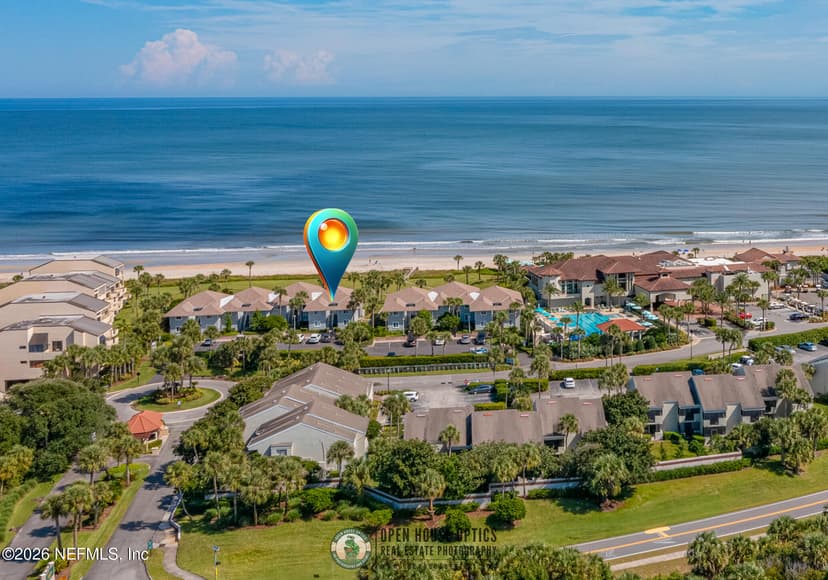
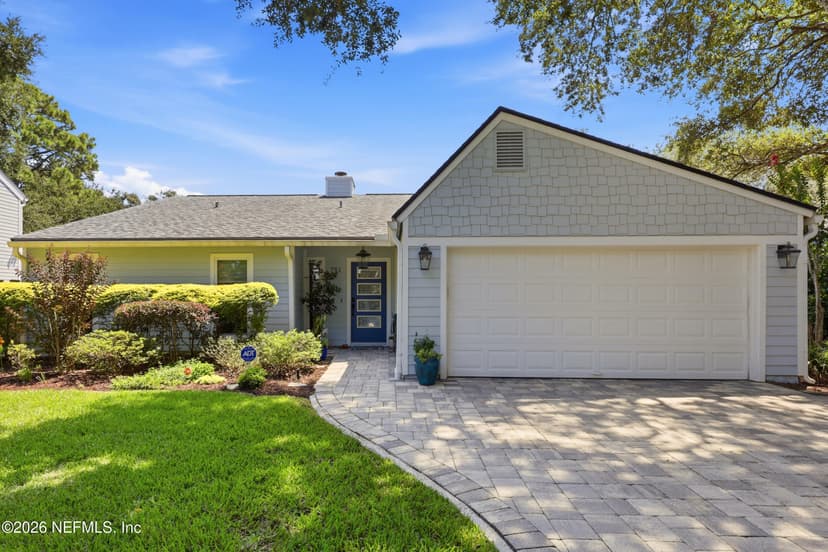
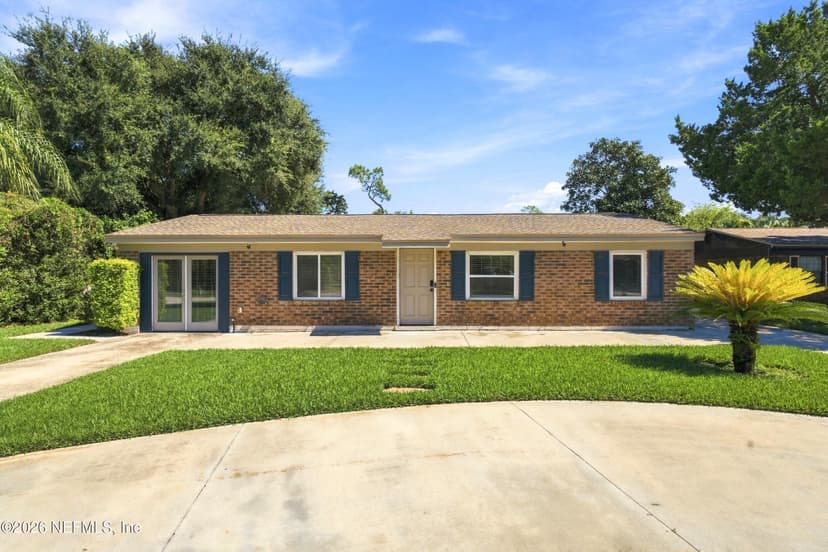
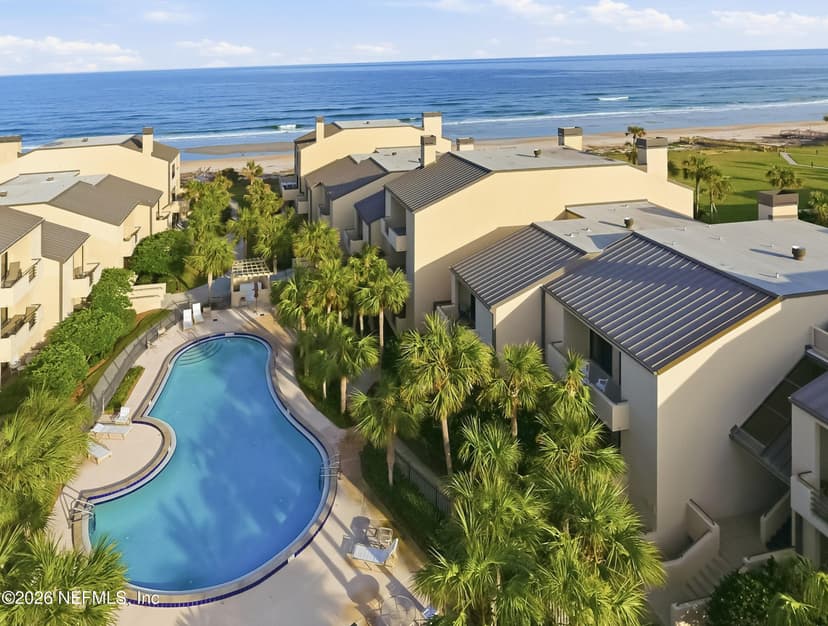
Homes for sale in Ponte Vedra Beach
Mickler's Landing and the Guana beach lots are here.
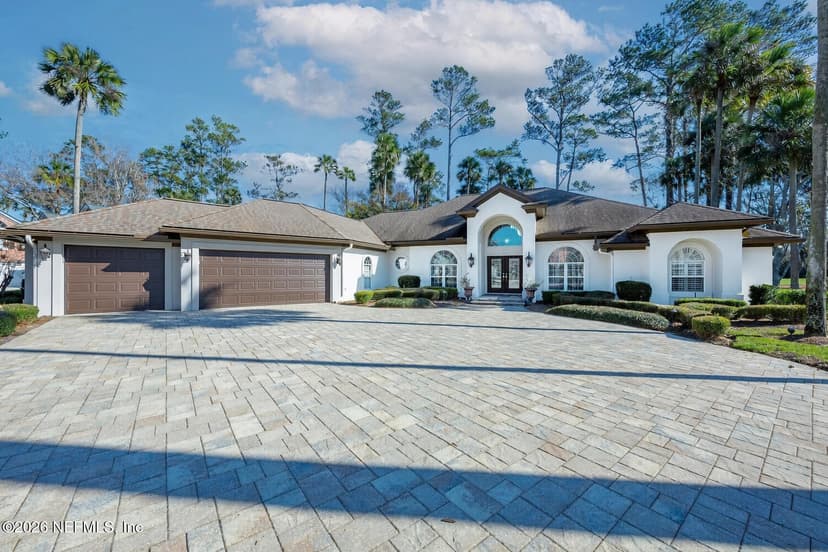
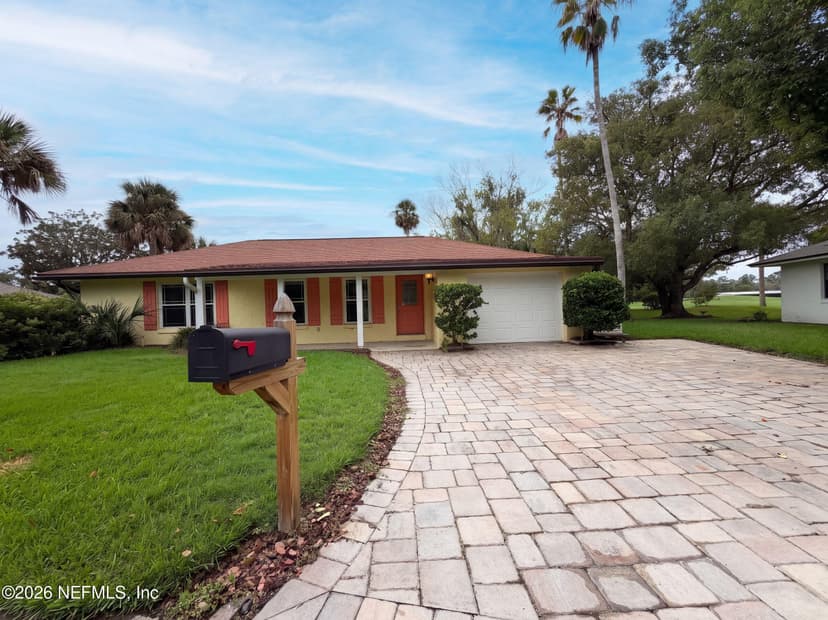
Homes for sale in Vilano Beach
The newest listings, live from the MLS.
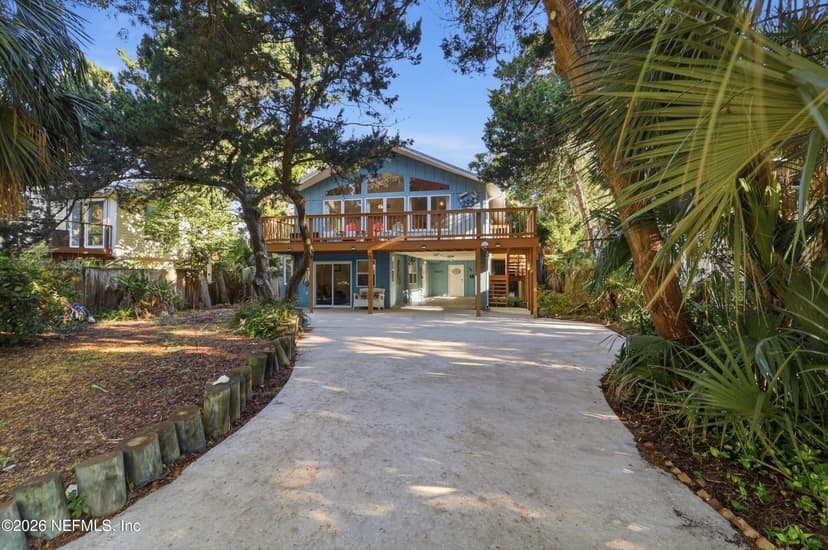
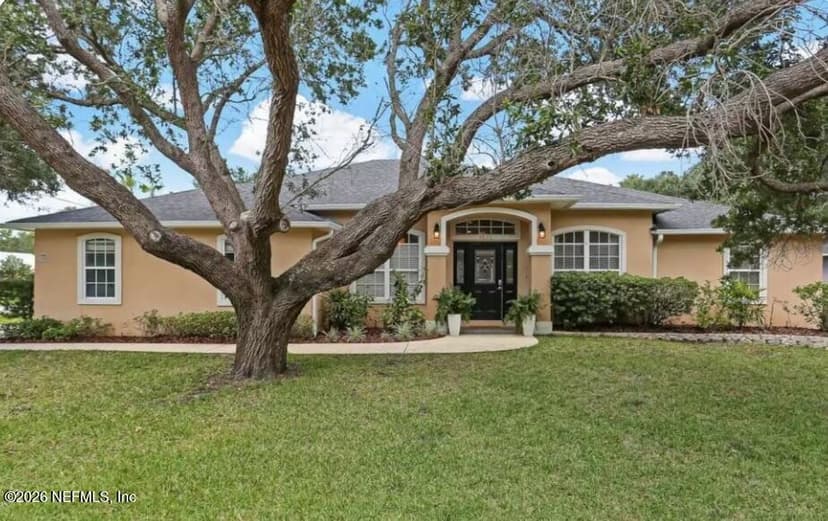
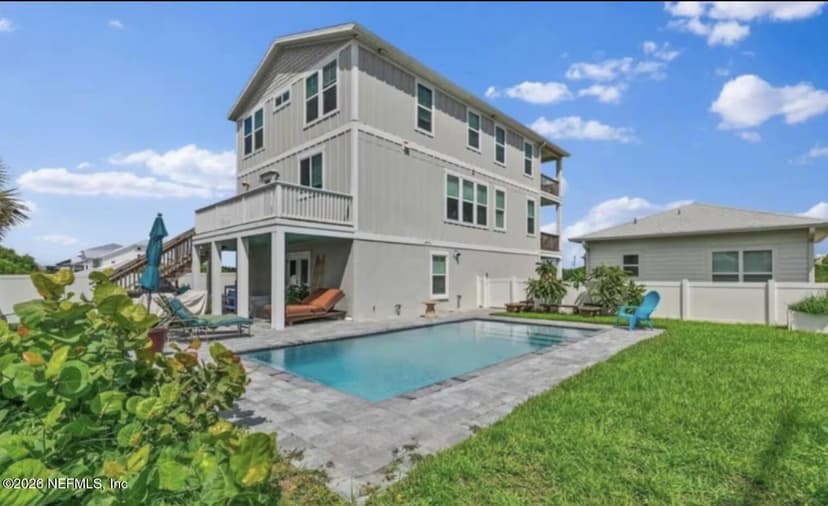
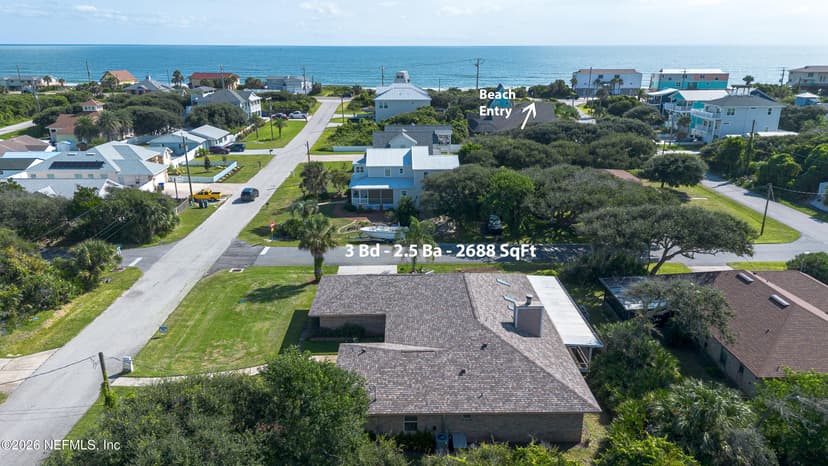
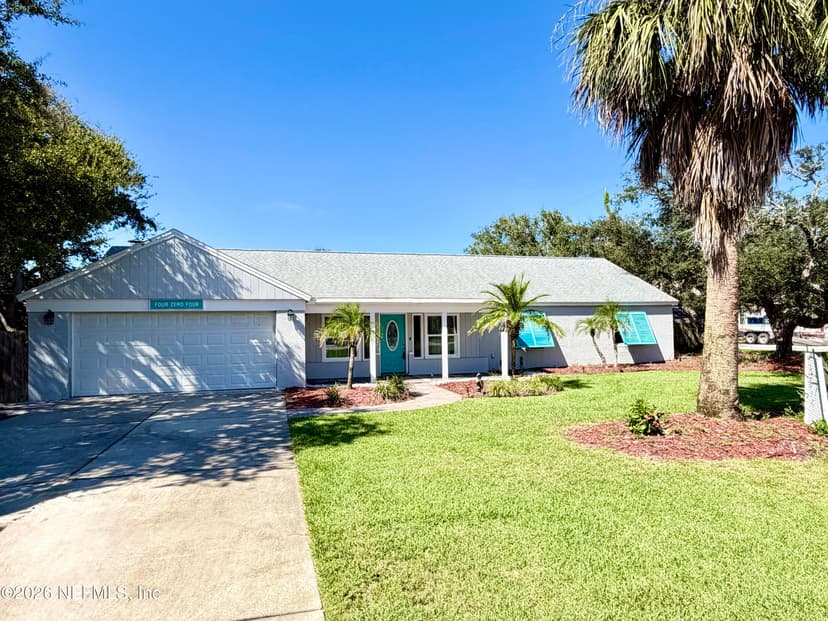
Homes for sale in St. Augustine Beach
The newest listings, live from the MLS.
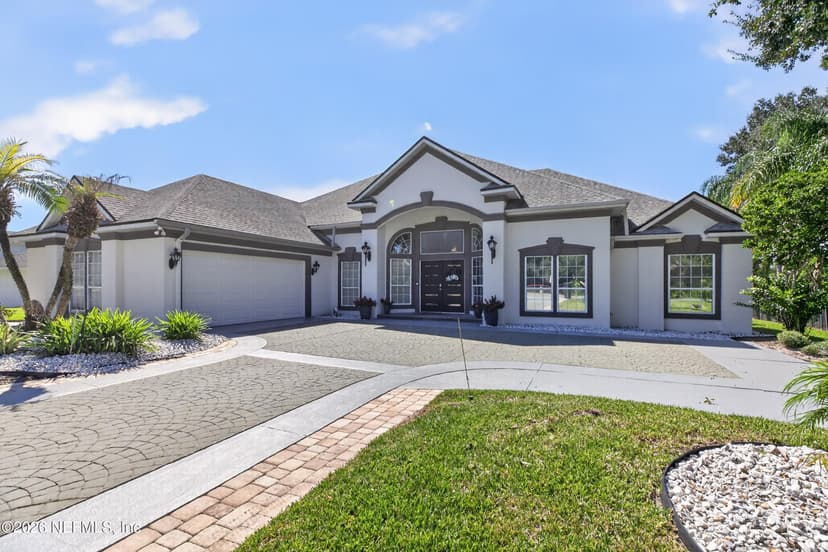
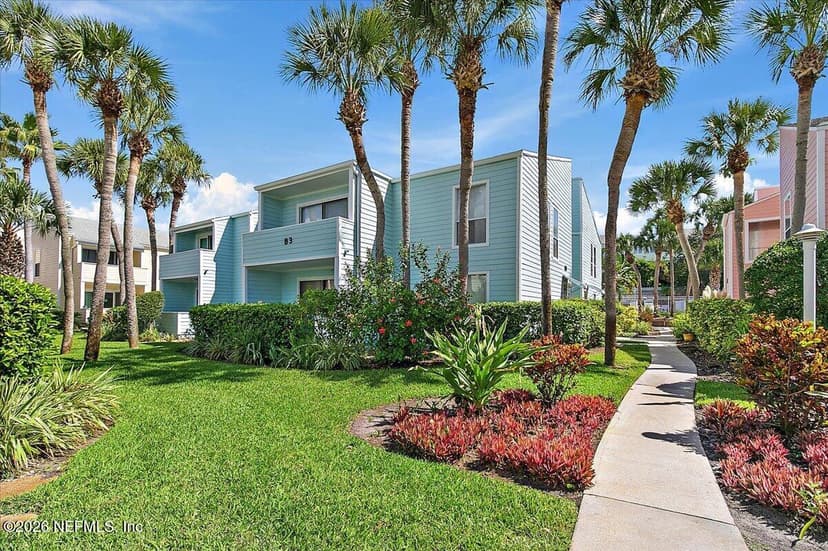
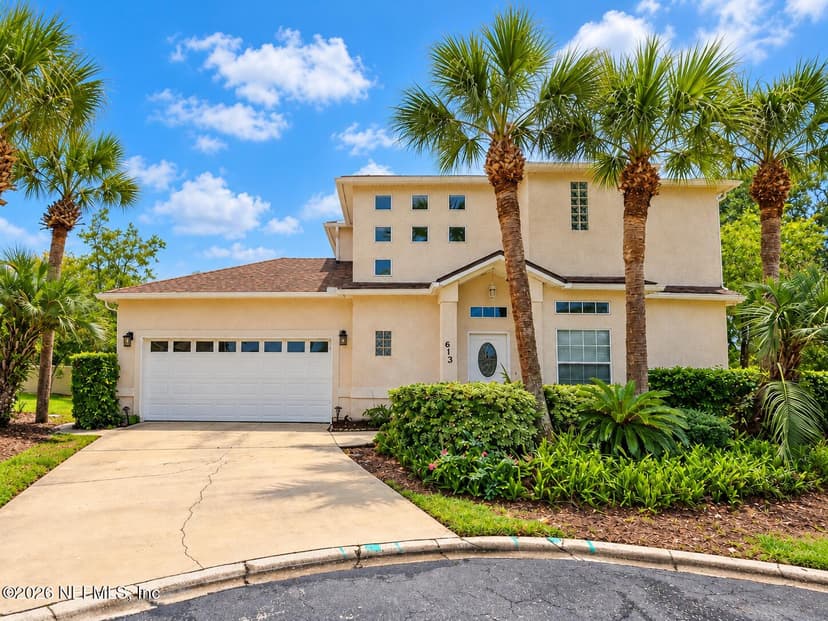
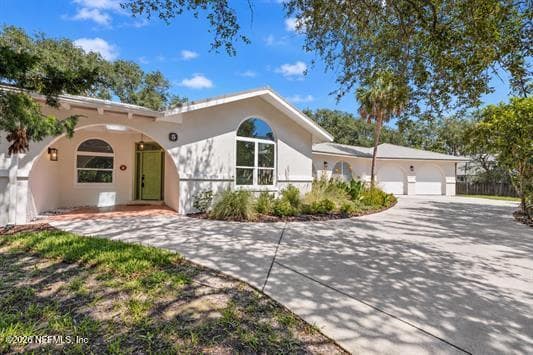
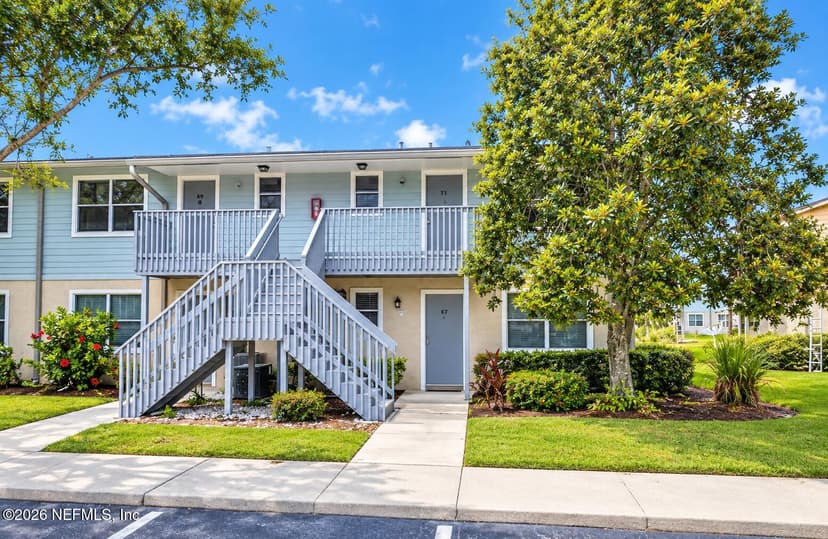
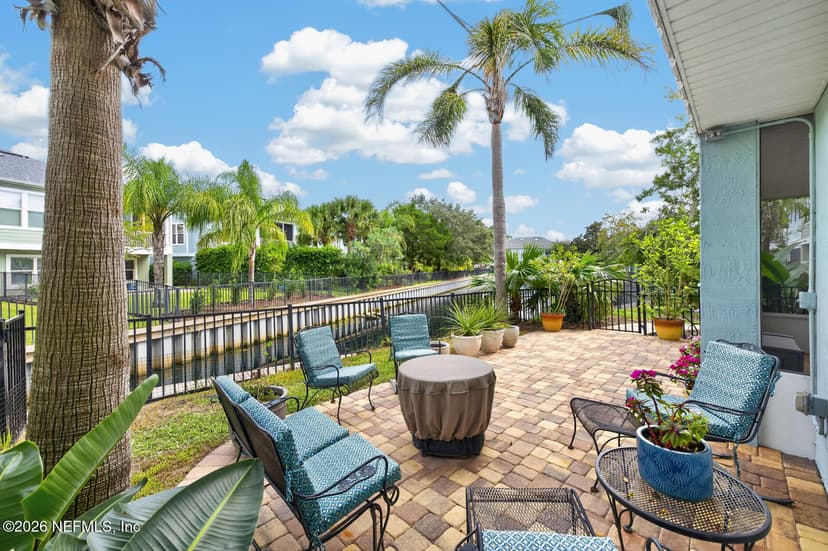
Homes for sale on Amelia Island
The newest listings, live from the MLS.
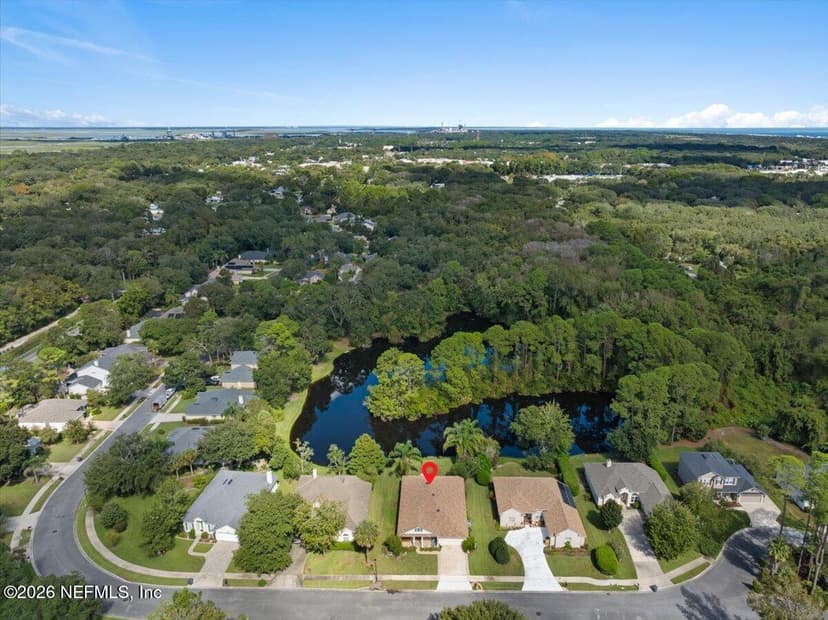
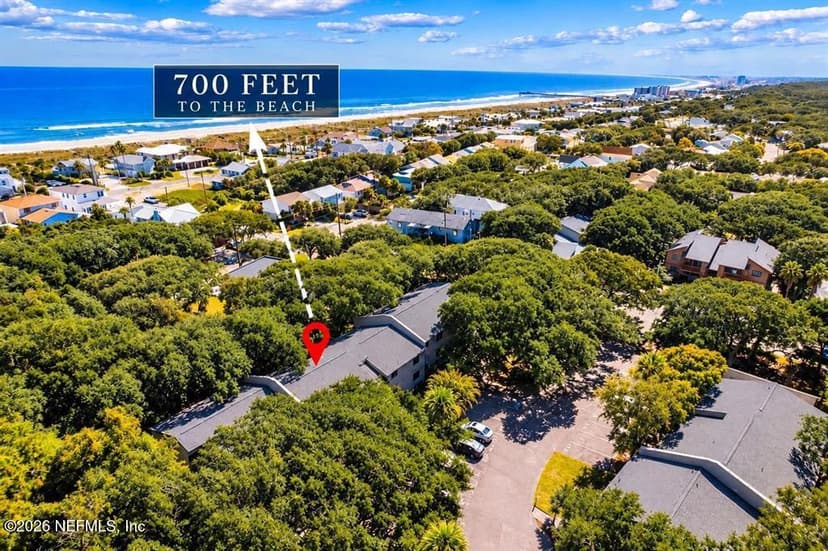
This is the work I do every week. Want a beach where you can walk the tide line before work? Tell me the town. I'll send the homes within a short walk of a public access.
Work with Krista (904) 709-7917 TextSave contact
By texting Krista you agree to receive conversational SMS text messages from Krista Fracke about your home search or sale. Message frequency varies. Message and data rates may apply. Reply STOP to unsubscribe, HELP for help. Terms: www.kristafracke.com/terms. Privacy: www.kristafracke.com/privacy.
Broker Associate · Christie's International Real Estate First Coast · 20+ years · 500+ closings
Common questions
Is it legal to collect shark teeth on Florida beaches?
On open public beaches, yes. The Florida Fossil Permit, which covers vertebrate fossils on state land, specifically excludes fossil shark and ray teeth. Florida state parks allow shark teeth, empty shells and sea glass between the waterline and the toe of the dunes. National Park Service land, including Fort Matanzas, allows neither.
Do I need a license to collect shells in Florida?
Only if something is living inside. FWC requires a recreational saltwater fishing license to take a shell with a live animal in it, even from shore. Empty shells need no license. Live sand dollars count as live animals; bleached, dead ones do not.
Where can you find shark teeth near Ponte Vedra and St. Augustine?
At the tide line on the open beaches, in the bands of broken shell and dark grit the waves leave behind, best at low tide and after a blow. Mickler’s Landing, Vilano Beach and St. Augustine Beach all turn them up. No one has counted teeth beach by beach, so any claim that one spot is the best is a guess.
Can I take shells from Fort Matanzas?
No. Federal rules for National Park Service land prohibit removing natural objects, including fossils, and Fort Matanzas’s compendium does not designate shells for collecting. Look, photograph, and leave them.
What other fossils need a permit?
Bones and other vertebrate fossils found on state land: fossil bone, shark vertebrae and stingray spines are not exempt the way teeth are. They fall under the Florida Museum’s Florida Fossil Permit, which costs $5 a year and asks you to report finds.
Every public beach access, mapped →
Parking, fees, ramps and rules, Amelia Island to Matanzas.
Sea turtle season →
May 1 to October 31: the nests and the rules.
Walk to the beach →
Homes a short walk from a public access.
What oceanfront costs to own →
Insurance, flood zones and the dune.
Beach mornings, every morning?
Tell me which stretch of sand you love. I’ll send the homes closest to it.