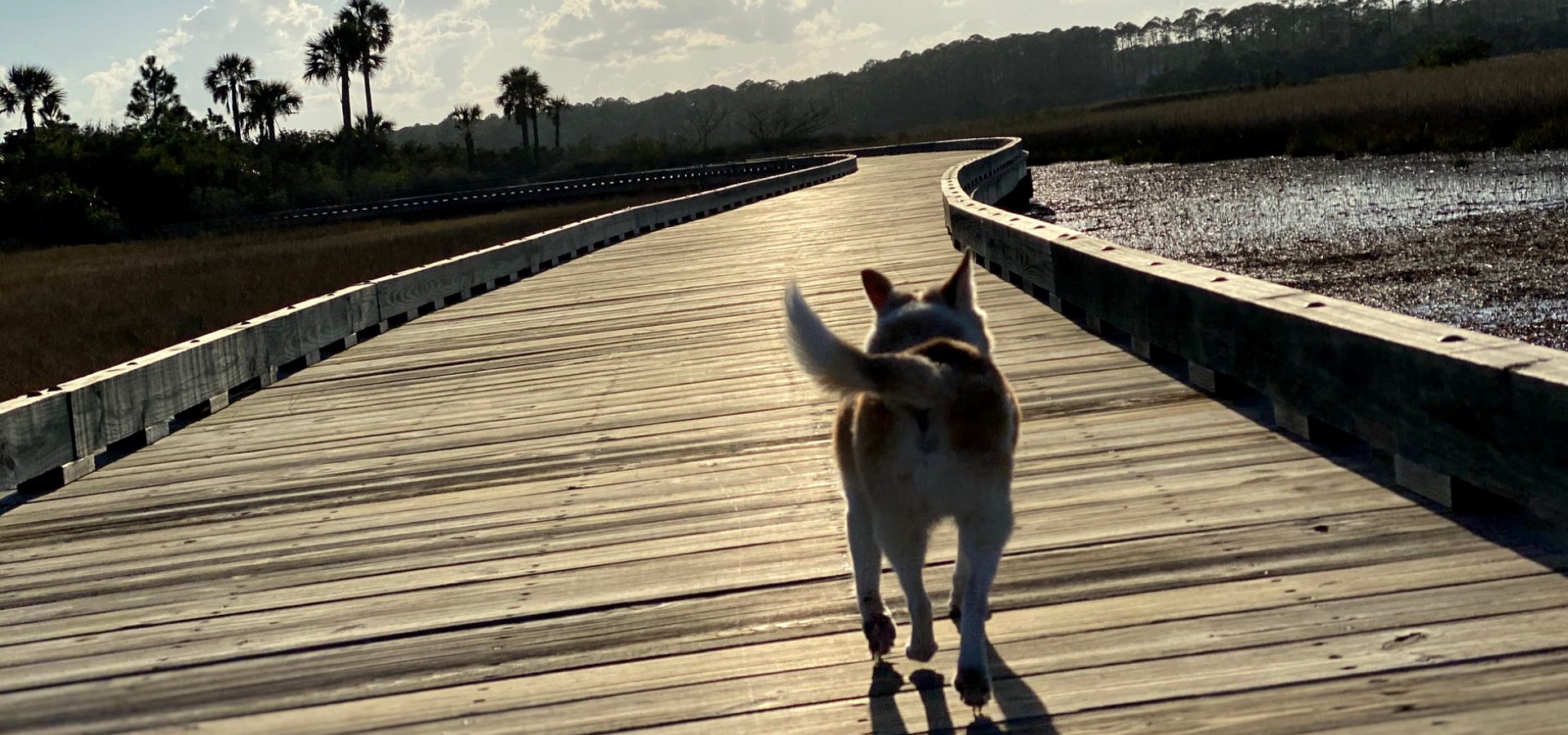
Dolphins, right whales, manatees and shorebirds on the First Coast.
From an oceanfront deck you can watch right whales calve offshore in winter. From a dock on the river or the Intracoastal, dolphins all year and manatees all summer. Here is what you can see from Amelia Island to Matanzas, when, and the few rules that come with owning next to it.

By Krista Fracke — Broker Associate, Christie's International Real Estate First Coast · 20+ years in Northeast Florida · 500+ closings · client reviews
If you own on the water
I’m Krista Fracke. The wildlife is one of the best parts of living on this coast, and it comes with a short list of rules that land on the house itself. Here they are by kind of home.
On the sand
Turtle season runs May 1 to October 31. In Jacksonville Beach, beachfront lights must not shine on the beach, directly or indirectly, so shielded, downward, amber or red fixtures. The sea turtle guide has each town’s rule.
Watching from the dune
Cross the dunes only on walkovers. In winter, a right whale gets 500 yards, and that includes your drone, kayak and paddleboard. Watching from the walkover is legal and is often the best seat.
On a dock
Manatees are in local water from late March to November, most of all May through August. Dolphins get 50 yards, and feeding them is illegal, even from your own dock.
What’s around, month by month
Winter belongs to the right whales offshore. Summer belongs to the manatees in the rivers and to the shorebirds nesting on the inlet sandbars. The table follows the dates the agencies publish.
| Month | Right whales offshore | Manatees | Shorebird areas closed (FWC) |
|---|---|---|---|
| January | Calving season | Scarce | Nassau Sound (posted areas) |
| February | Calving season | Scarce | Nassau Sound (posted areas) |
| March | Calving season | Arriving late in the month | Amelia from Mar 1; Nassau Sound |
| April | Through mid-April | Seen | Amelia; Matanzas from Apr 1; Nassau Sound |
| May | Gone north | Peak | Amelia; Fort George Inlet from May 1; Matanzas; Nassau Sound |
| June | Gone north | Peak | Amelia; Fort George Inlet; Matanzas; Nassau Sound |
| July | Gone north | Peak | Amelia; Fort George Inlet; Matanzas; Nassau Sound |
| August | Gone north | Peak | Amelia; Fort George Inlet to Aug 31; Matanzas to Aug 15; Nassau Sound |
| September | Gone north | Seen | Amelia to Sep 1; Nassau Sound |
| October | Gone north | Seen | Nassau Sound (posted areas) |
| November | Arriving mid-month | Seen, thinning out | Nassau Sound (posted areas) |
| December | Calving season | Scarce | Nassau Sound (posted areas) |
Right whales: NOAA Fisheries, 2026 calving season. Manatees: City of Jacksonville manatee protection plan. Shorebird areas: FWC Critical Wildlife Areas.
Right whales, mid-November to mid-April
North Atlantic right whale mothers come to the water off this coast to give birth. They arrive around mid-November and head north by mid-April. The waters off Northeast Florida are part of the calving grounds, so a winter walk on an ocean beach here comes with a chance of spotting one offshore.
The 2026 season was a good one. NOAA counted 23 calves, the most since 2009. That matters for a species with about 380 animals left and roughly 70 reproductive females, by NOAA Fisheries’ count.
If you see one, report it to NOAA at 877-WHALE-HELP.
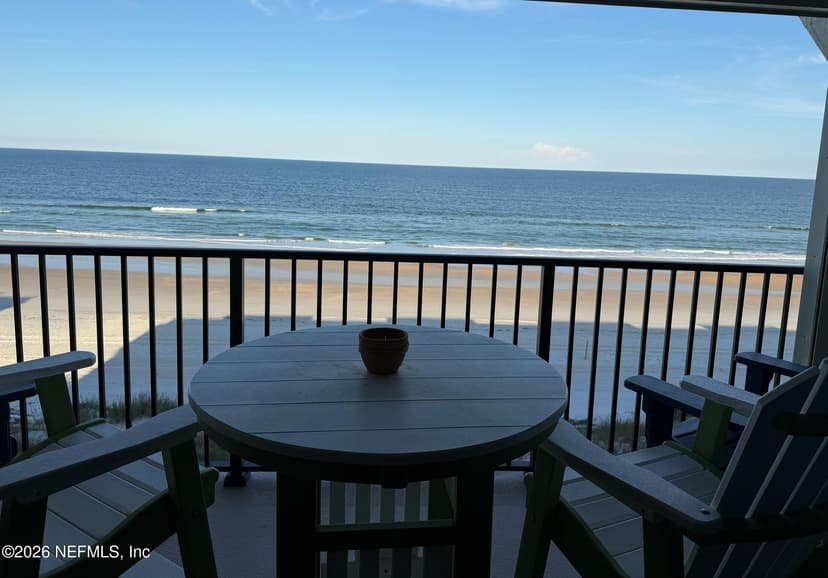
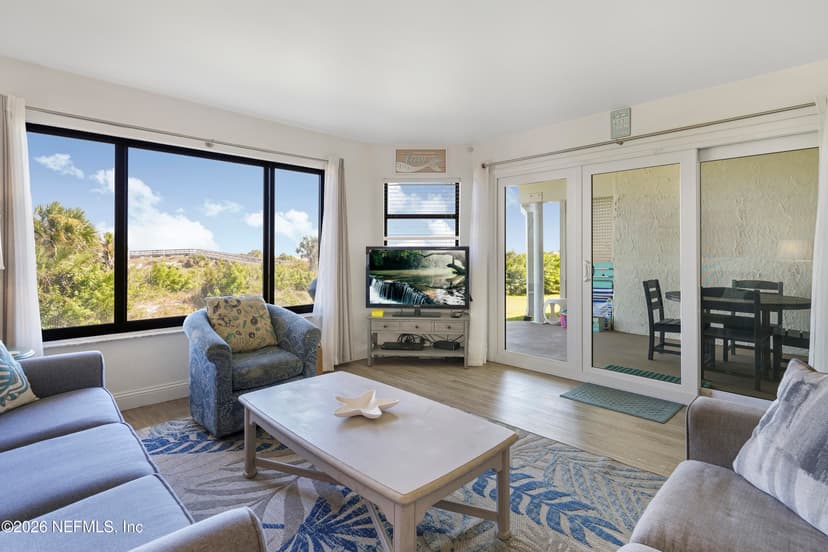
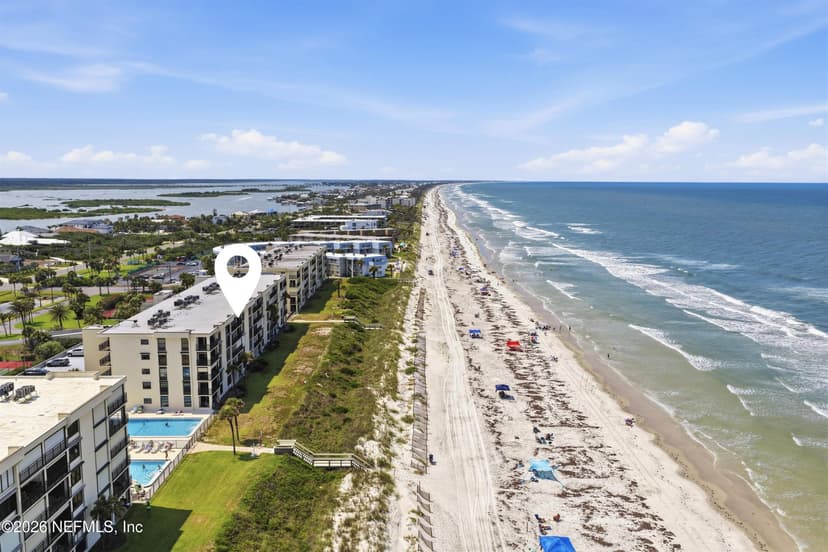
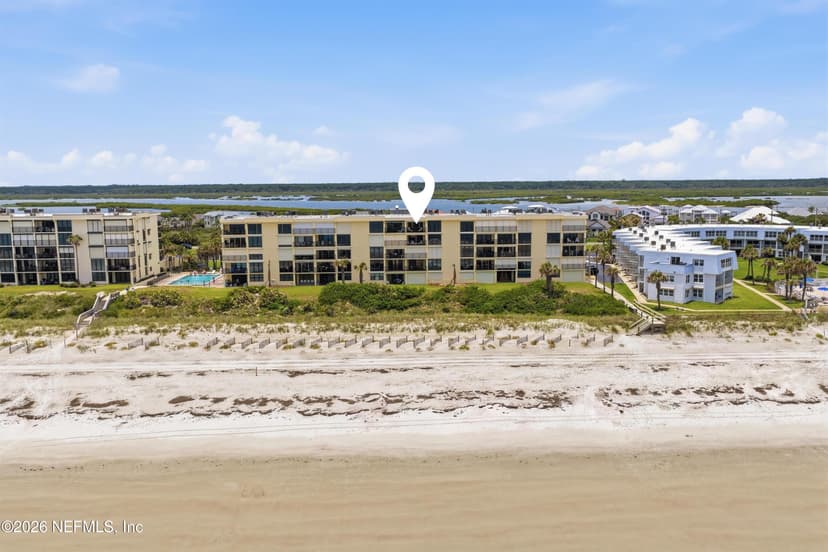
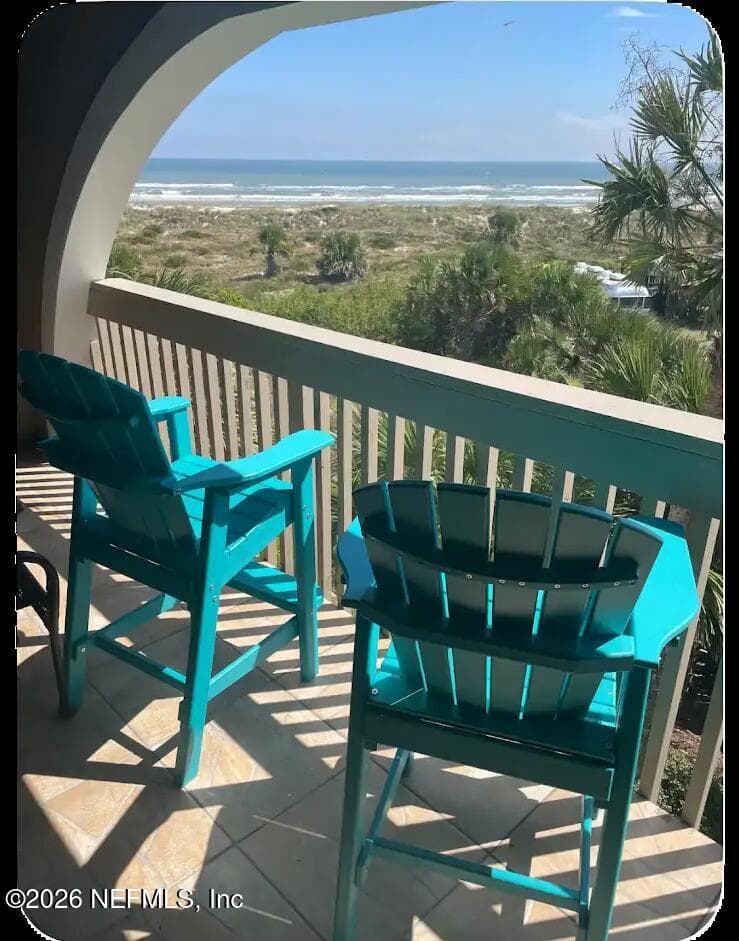
Oceanfront homes in St. Augustine
Vilano Beach to Crescent Beach, where winter beach walks face the right whales' calving water. Every home reports ocean frontage in the MLS.
The part nobody tells you: the 500-yard rule covers your paddleboard
Most people read the right whale rule as a boating rule. It is broader than that. Federal law makes it illegal to approach a right whale within 500 yards, and NOAA spells out that this includes surfboards, kayaks and drones. A whale surfacing a few hundred feet past the sandbar is a reason to stay on the beach and enjoy the view.
If you own on the ocean, this is the season to keep the drone in the closet when a whale shows up, and to pass the rule along to guests. Watching from the dune walkover is legal and is often the best seat anyway.
Dolphins in the surf, the river and the Intracoastal
Bottlenose dolphins are the animal most people here see first: a dorsal fin in the surf line, a pod working an inlet, a splash beside the dock on the Intracoastal. The ones inside are a population of their own. NOAA manages a separate Jacksonville Estuarine System stock for the dolphins of the St. Johns River and the Intracoastal Waterway.
For an easy look from the water, the Mayport ferry crossing runs inside the Timucuan Preserve, where the National Park Service lists dolphins among the wildlife.
The rules are simple. Feeding or harassing a wild dolphin is illegal under the Marine Mammal Protection Act. NOAA asks people to stay 50 yards away and not to swim with them, even when a dolphin comes close on its own. Report feeding or harassment to NOAA at 800-853-1964.
Manatees, late March to November
People new to Florida often assume manatees are a winter sight. Here it runs the other way. The City of Jacksonville’s manatee protection plan describes manatees in local waters from late March to November, with the peak from May through August. December through February they are scarce.
Summer is when you will see the slow swirl and the snout coming up for air in the St. Johns, the creeks and the Intracoastal. The paddle launches are a quieter way to share the river with them.
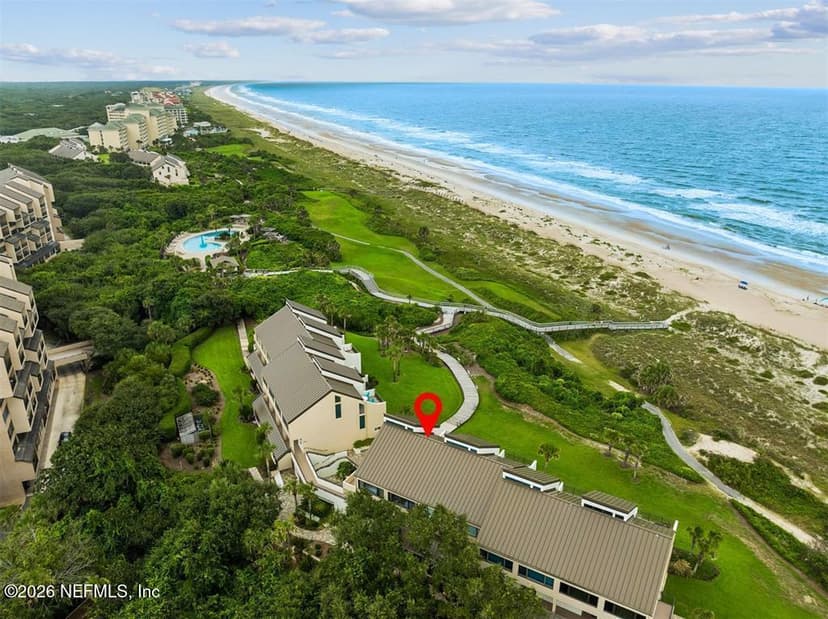
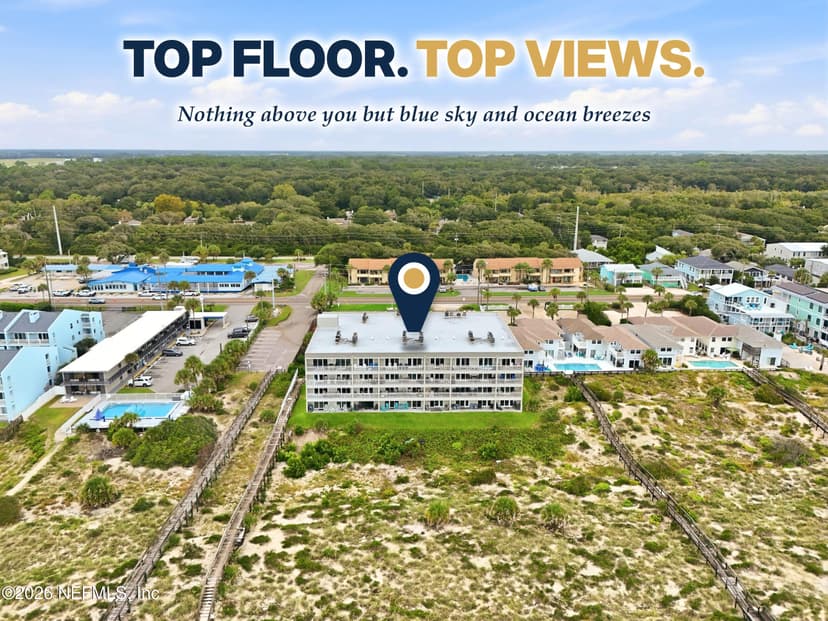
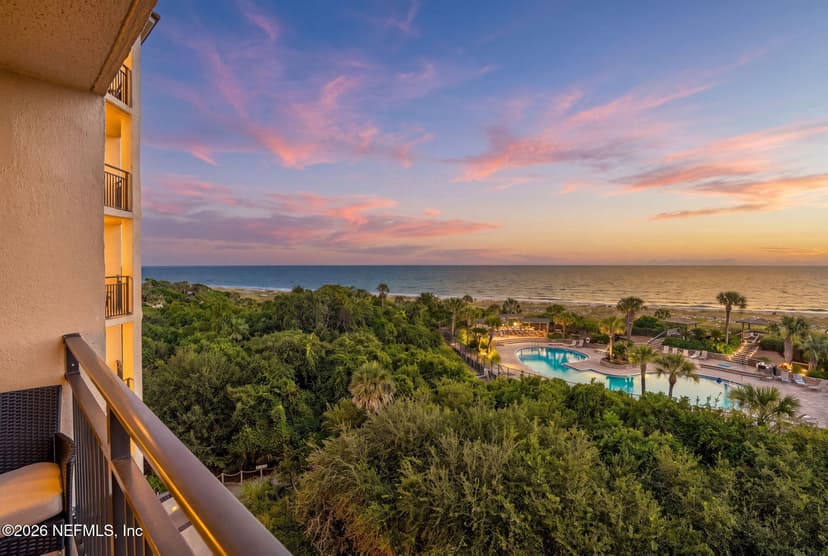
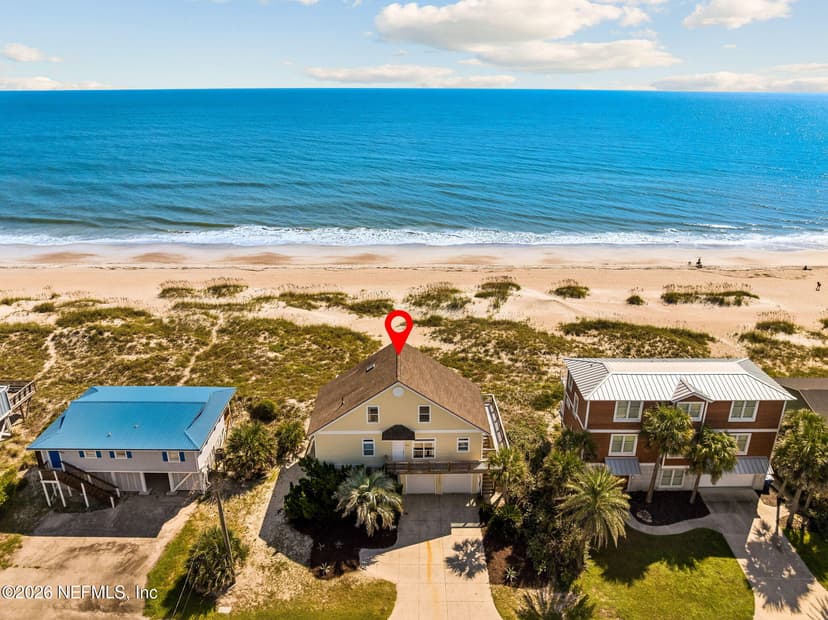
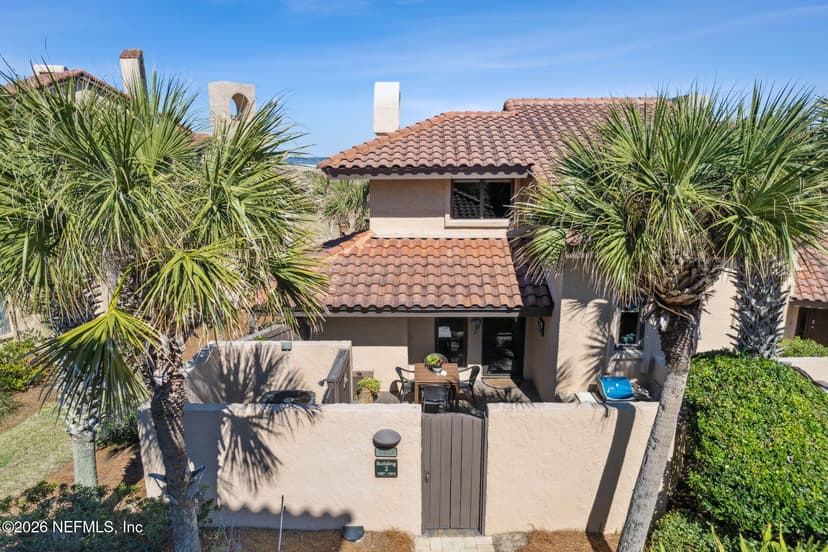
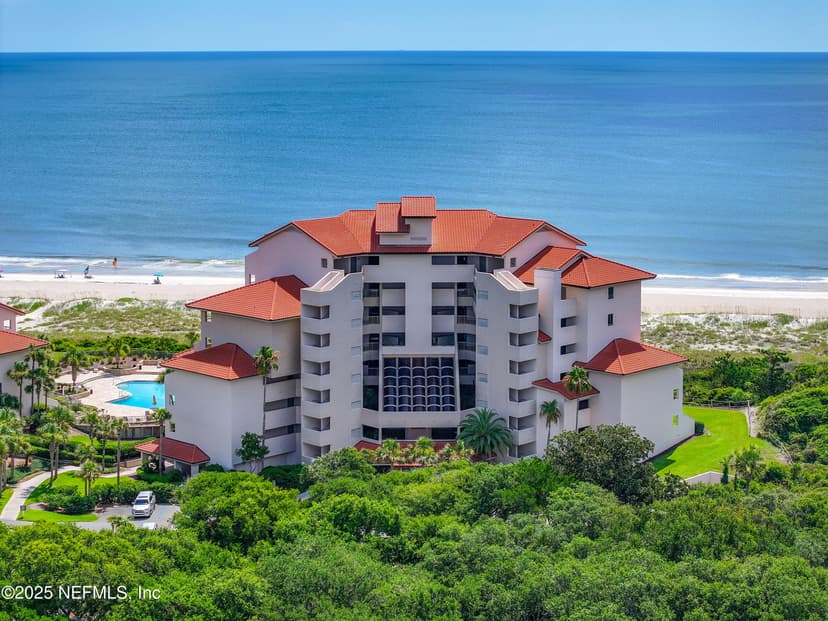
Oceanfront homes on Amelia Island
The island's north end looks over Nassau Sound and the Amelia shorebird area. Every home reports ocean frontage in the MLS.
Shorebirds and the posted sandbars
The inlet sandbars on this coast are nesting ground for shorebirds and seabirds, and FWC protects the most important ones as Critical Wildlife Areas. During nesting season the posted parts are closed to entry while the birds nest. A good pair of binoculars from outside the posts gives you the whole show.
| Critical Wildlife Area | Closed to entry |
|---|---|
| Amelia | March 1 to September 1 |
| Nassau Sound | Year-round, with seasonal postings |
| Fort George Inlet | May 1 to August 31 |
| Matanzas | April 1 to August 15 |
Sea turtles, and the blue floats at the tide line
Sea turtles nest on these beaches every summer, and they have their own guide: sea turtle season, town by town, with the lighting rules that matter most to oceanfront owners.
Some days the wind pushes Portuguese man o’ war onto the sand, the bright blue floats that look like balloons. Per NOAA, it is a siphonophore, a colony of organisms rather than a true jellyfish, and a stranded one can still sting. Admire it from a step back and keep pets clear.
If you are weighing a home on the sand, every oceanfront home on the First Coast is on one page, from Amelia Island south to Flagler.
This is the work I do every week. Want a winter porch that faces the whales' water, or a dock where the manatees pass in summer? Tell me which. I'll send the homes that fit.
Work with Krista (904) 709-7917 TextSave contact
By texting Krista you agree to receive conversational SMS text messages from Krista Fracke about your home search or sale. Message frequency varies. Message and data rates may apply. Reply STOP to unsubscribe, HELP for help. Terms: www.kristafracke.com/terms. Privacy: www.kristafracke.com/privacy.
Broker Associate · Christie's International Real Estate First Coast · 20+ years · 500+ closings
Common questions
When can you see right whales in Florida?
North Atlantic right whales come to the waters off Northeast Florida from about mid-November to mid-April to give birth. NOAA counted 23 calves in the 2026 season, the most since 2009. Federal law keeps people at least 500 yards away, and that includes surfboards, kayaks and drones.
Where can you see dolphins in Jacksonville?
Bottlenose dolphins feed in the surf, the inlets, the St. Johns River and the Intracoastal Waterway. NOAA manages the river and Intracoastal dolphins as their own population, the Jacksonville Estuarine System stock. The Mayport ferry crossing runs inside the Timucuan Preserve, where the National Park Service lists dolphins among its wildlife.
When are manatees in Jacksonville?
Mostly in the warm months. The City of Jacksonville’s manatee protection plan describes manatees here from late March to November, peaking May through August, and scarce from December through February.
Can you swim with dolphins or feed them?
No. Feeding or harassing wild dolphins is illegal under the federal Marine Mammal Protection Act. NOAA asks people to stay 50 yards away and not to swim with them, and takes reports of feeding or harassment at 800-853-1964.
Is a Portuguese man o’ war on the beach still dangerous?
Yes. NOAA notes that a stranded man o’ war can still sting. It is a siphonophore, a colony of organisms working together, rather than a true jellyfish. Look with your eyes and keep pets and bare feet clear of the blue floats.
The First Coast beaches →
A local guide from Amelia Island to Matanzas.
Sea turtle season →
The nests, the lights and the rules, town by town.
Shark teeth and shells →
Where they turn up and what you can keep.
Oceanfront homes →
Every home on the sand, live from the MLS.
Whales in winter, manatees in summer?
Tell me which water you want to watch. I’ll send the homes closest to it.