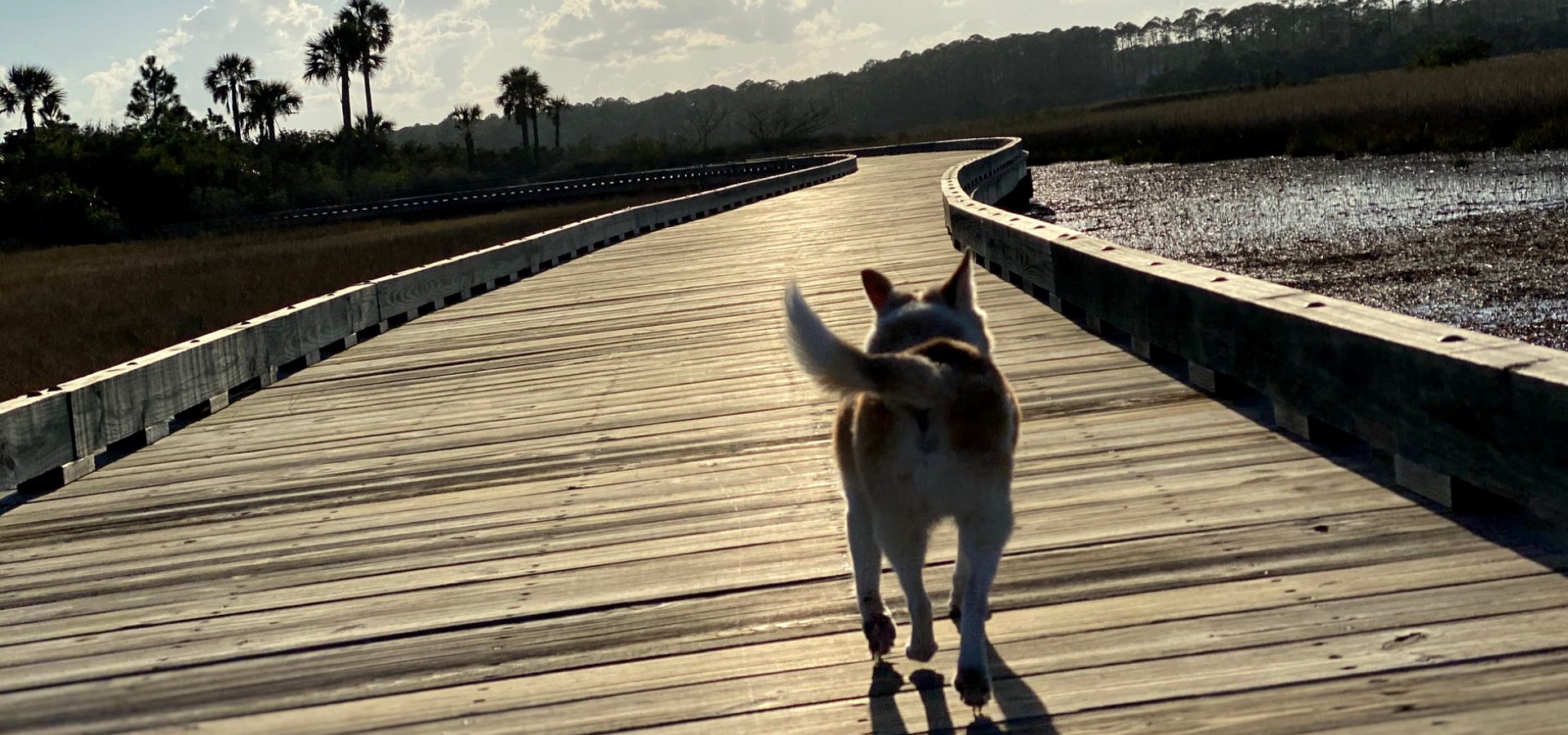
From Ruby to Jax Beach, how the railroad built the Beaches.
A house at the Beaches sits in one of three cities, and that city writes its building and beach rules. Here is how one stretch of sand became three towns, from a tent store called Ruby to the night a U-boat came ashore just south.

By Krista Fracke — Broker Associate, Christie's International Real Estate First Coast · 20+ years in Northeast Florida · 500+ closings · client reviews
What the history means for a house here
I’m Krista Fracke. Jacksonville Beach, Neptune Beach and Atlantic Beach are each their own city inside Duval County, and the city a house sits in is the one that writes its building and beach rules. The lines between them come straight out of the story below: Atlantic Beach grew up around a Flagler hotel and incorporated in 1925, and Neptune Beach voted itself out of Jacksonville Beach in 1931.
The oldest blocks near the ocean carry the oldest houses. My guide to older homes at the Beaches covers what to check in them, and Jacksonville Beach neighborhoods walks the streets block by block.
Ruby, then Pablo Beach
It starts with the Scull family, who ran a tent store and post office on the sand. The settlement was named Ruby. According to the state historical marker, it was renamed Pablo Beach in 1886 and Jacksonville Beach in 1925.
The land sale came first. The city’s own history records lots going on sale at Ruby on November 12, 1884, when 34 lots sold for $7,514. The Murray Hall Hotel opened in 1886 (the city says it had 192 rooms) and burned on August 7, 1890. Pablo Beach incorporated on May 22, 1907.
The railroad Flagler bought
The first rail line to the ocean was the Jacksonville & Atlantic, and local investors built it in 1885. Henry Flagler bought it in 1899, converted it to standard gauge and extended it to the coal wharf at Mayport by 1900, according to the Beaches Museum. Service on the line ended in October 1932.
You will often read that Flagler built the beach railroad. He did not; he bought a line that was already running and made it part of his system. What he did build was the hotel that gave the next town its start.
The Continental Hotel and Atlantic Beach
Flagler opened the Continental Hotel in 1901 north of Pablo Beach. The state marker at 10 10th Street lists oceanfront driving among the hotel’s amenities that first year, which tells you how long cars and the sand went together here. The hotel was sold in 1913, renamed the Atlantic Beach Hotel, and burned in 1919.
The town around it outlived the building. Atlantic Beach incorporated on December 4, 1925, with Harcourt Bull, Sr. as its first mayor, and a 1957 charter made it a city.
Doolittle takes off from the sand
The hard-packed beach made a runway. On September 4, 1922, Jimmy Doolittle flew from Pablo Beach to San Diego in under 24 hours, a date Jacksonville Beach keeps in its history. Three years later Pablo Beach took the Jacksonville name.
Three cities, one stretch of beach
Neptune Beach was part of Jacksonville Beach until a tax fight. On August 11, 1931, Neptune voted 113 to 31 to secede over a tax levy, according to the Beaches Museum. Atlantic Beach had already incorporated in 1925.
That is why the three towns still have three city halls, as the section at the top of this page explains.
The Casa Marina, still standing
The Casa Marina went up in 1925, the year Pablo Beach became Jacksonville Beach. It was listed on the National Register of Historic Places on September 2, 1993.
The part nobody tells you: the beach casino was in Fernandina
People ask me whether there was a casino on Jacksonville Beach. No primary source I can find names a gambling casino there. What the beach did have was the Pavilion, Little Coney Island and a boardwalk with games of chance, which lasted until a state crackdown in the 1950s.
The beach casino in the records is at Fernandina’s Main Beach on Amelia Island. Photos and postcards in the state archives show it, including a 1903 photograph, a Casino Bath House and a 1942 postcard, and Casino Avenue still runs to beach accesses 28 and 29. In that era a casino on the beach usually meant a pavilion or bathhouse, a place to change and dance.
1942: saboteurs land just south, at Ponte Vedra Beach
On the night of June 16–17, 1942, the U-boat U-584 landed four men on Ponte Vedra Beach. They buried the explosives they had brought and left the beach. The state’s historical marker records the outcome in a line: all of them were caught. The FBI dates the landing June 17, and U-boat records kept on German time give June 18, so “the night of June 16–17” is the fair way to put it.
Ponte Vedra was the second landing of Operation Pastorius; a first team had come ashore at Amagansett, on Long Island, four days earlier. The Florida team was Edward Kerling, Herman Neubauer, Werner Thiel and Herbert Haupt. According to the FBI, they made their way to Jacksonville and took a train to Cincinnati, then split up, two for Chicago and two for New York. Nobody was arrested on the beach. George Dasch, who led the Long Island team, went to the FBI, and the Florida men were picked up in New York on June 23 and in Chicago on June 27.
All eight were tried by a military commission. The Supreme Court upheld it in Ex parte Quirin on July 31, 1942, and six of the eight were executed on August 8.
The landings changed these beaches too. On July 25, 1942, the Coast Guard authorized beach patrols on all coasts, and the watch reached Jacksonville Beach.
One correction to the version told around town: the marker stands at the Ponte Vedra Inn, but the Museum of Florida History puts the landing about two miles south of it. If you want to stand near the spot, use a public beach access south of the Inn and stay on the beach side; the homes behind the dunes are private. The houses on that stretch are on the Ponte Vedra Beach oceanfront page.
Driving on the beach ends
Cars on the sand were part of the Beaches from the hotel years on, and not only for getting around. The city’s history credits auto racing on the hard-packed sand with making the area popular with spectators. Jacksonville Beach banned beach driving in 1979.
The timeline
| Year | What happened |
|---|---|
| 1884 | Lots go on sale at Ruby on November 12: 34 lots for $7,514. |
| 1885 | Local investors build the Jacksonville & Atlantic railroad to the beach. |
| 1886 | Ruby is renamed Pablo Beach. The Murray Hall Hotel opens. |
| 1890 | The Murray Hall Hotel burns on August 7. |
| 1899 | Henry Flagler buys the railroad and converts it to standard gauge. |
| 1900 | The line reaches the coal wharf at Mayport. |
| 1901 | Flagler opens the Continental Hotel at what becomes Atlantic Beach. |
| 1907 | Pablo Beach incorporates on May 22. |
| 1913 | The Continental is sold and renamed the Atlantic Beach Hotel. |
| 1919 | The Atlantic Beach Hotel burns. |
| 1922 | Jimmy Doolittle flies from Pablo Beach to San Diego in under 24 hours, September 4. |
| 1925 | Pablo Beach becomes Jacksonville Beach. The Casa Marina is built. Atlantic Beach incorporates December 4. |
| 1931 | Neptune votes 113 to 31 on August 11 to leave Jacksonville Beach. |
| 1932 | Rail service to the beaches ends in October. |
| 1942 | A U-boat lands four saboteurs at Ponte Vedra Beach the night of June 16–17. The Coast Guard authorizes beach patrols on all coasts July 25. |
| 1957 | A new charter makes Atlantic Beach a city. |
| 1979 | Jacksonville Beach bans driving on the beach. |
| 1993 | The Casa Marina is listed on the National Register of Historic Places, September 2. |
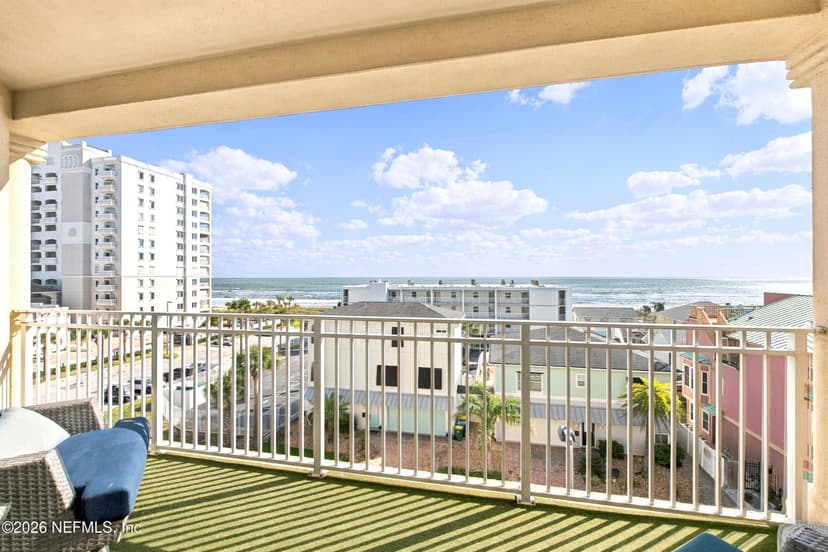
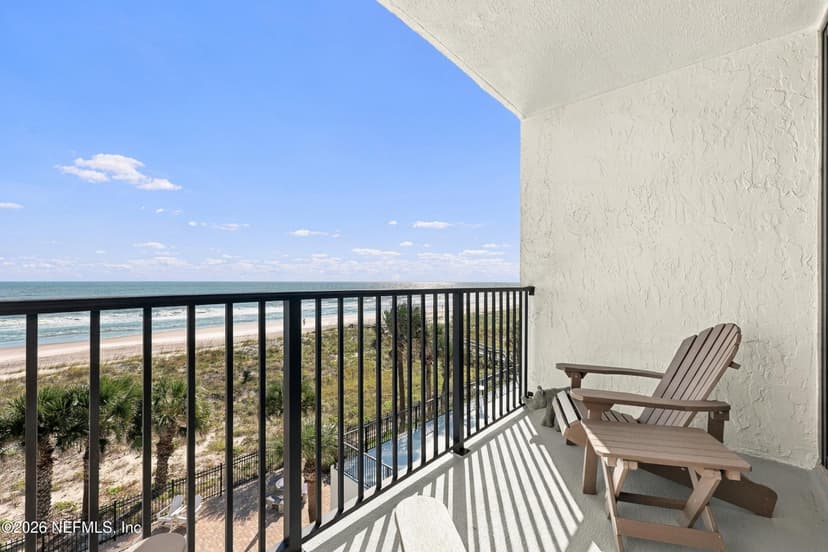
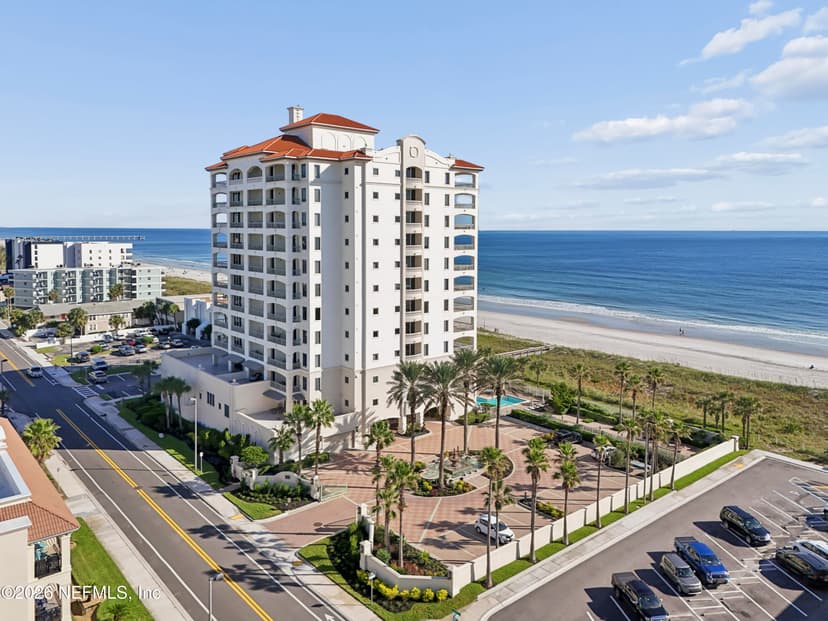
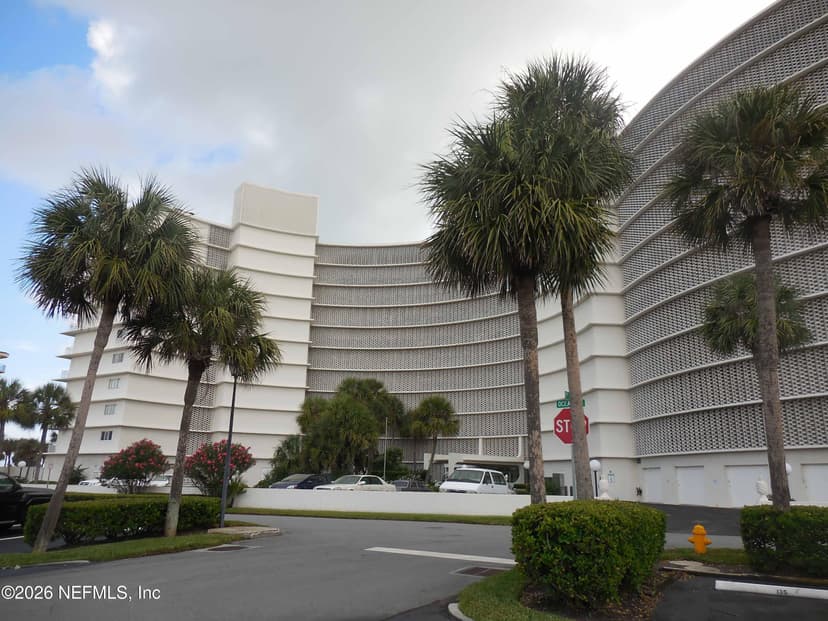
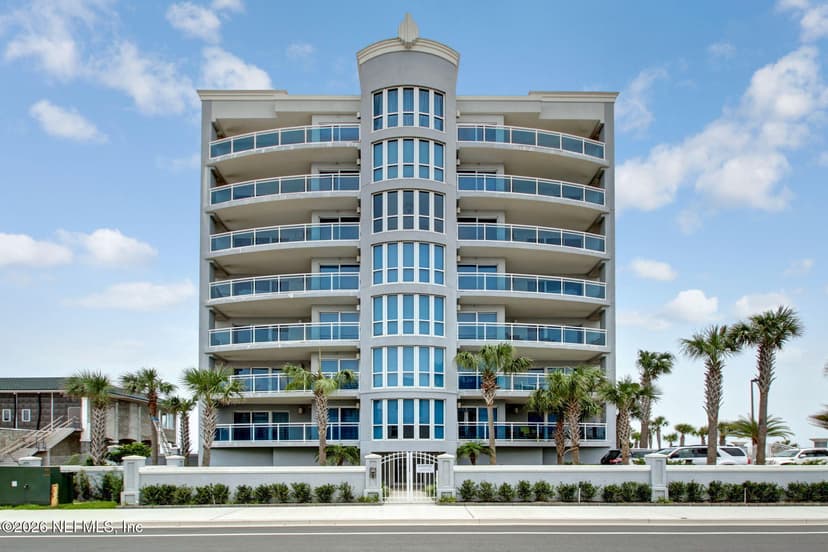
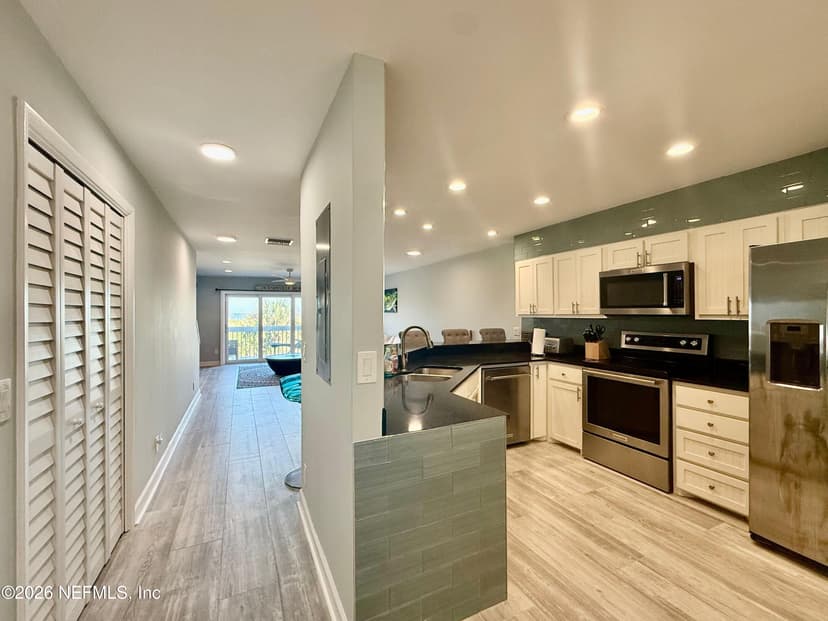
Oceanfront homes for sale at the Beaches
Jacksonville Beach, Neptune Beach and Atlantic Beach, on the sand.
What you can still see
The Beaches Museum’s History Park in Jacksonville Beach has moved some of the oldest buildings to one block. The 1903 Pablo post office, the Mayport railroad depot from about 1900 and the 1887 chapel all stand there. Add the Continental marker in Atlantic Beach and the Casa Marina and you can walk most of this story in an afternoon.
For the houses on the sand, see the oceanfront houses in Jacksonville Beach, and for the whole coast from Amelia Island to Matanzas, oceanfront homes in Northeast Florida.
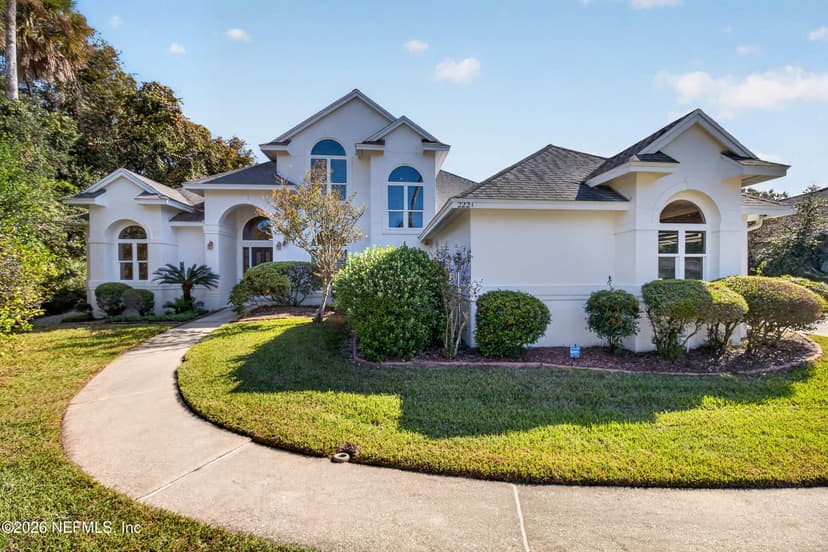
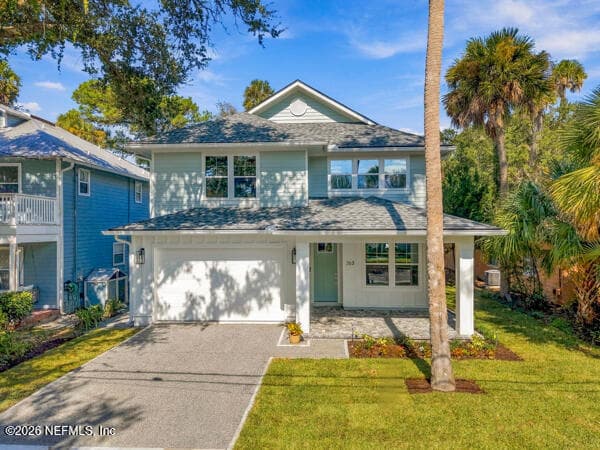
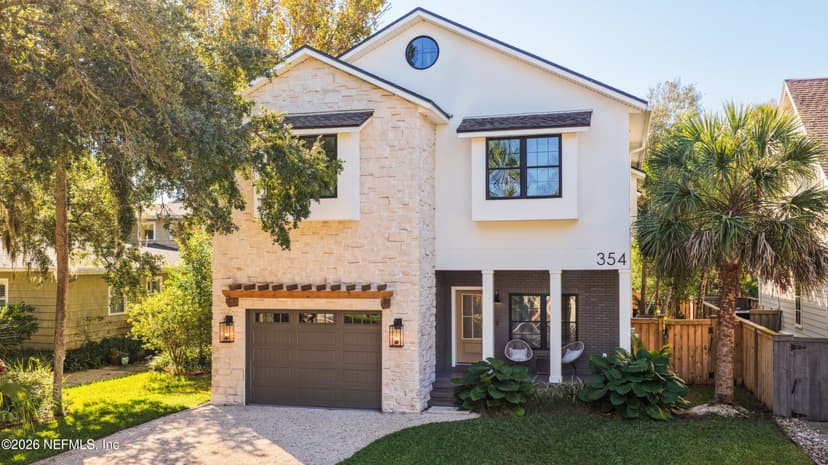
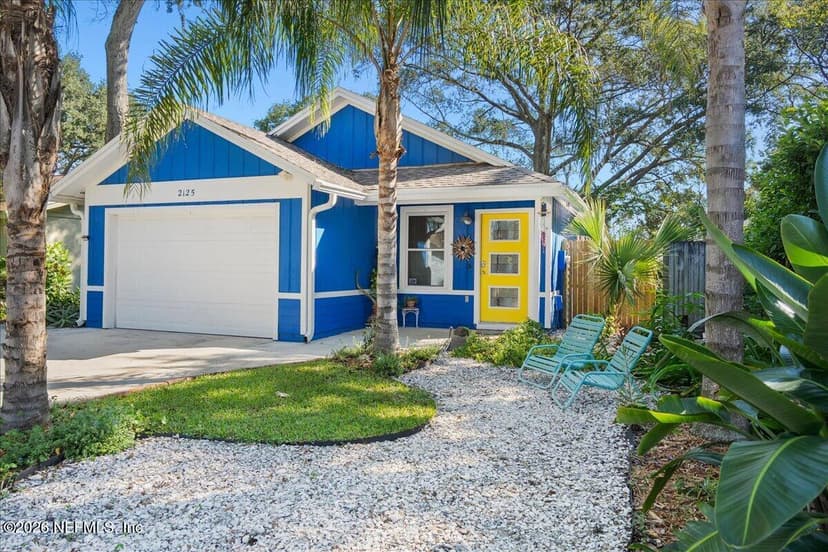
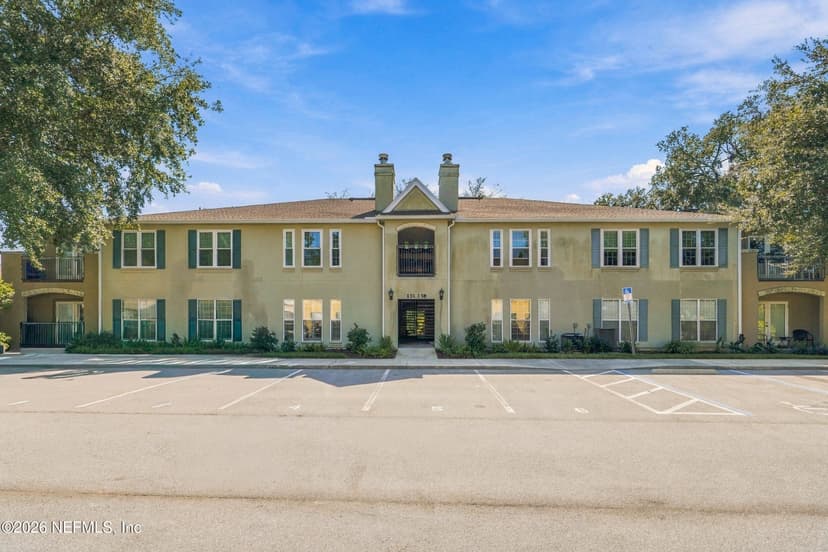
Homes for sale in Atlantic Beach
The town that grew around Flagler's Continental Hotel.
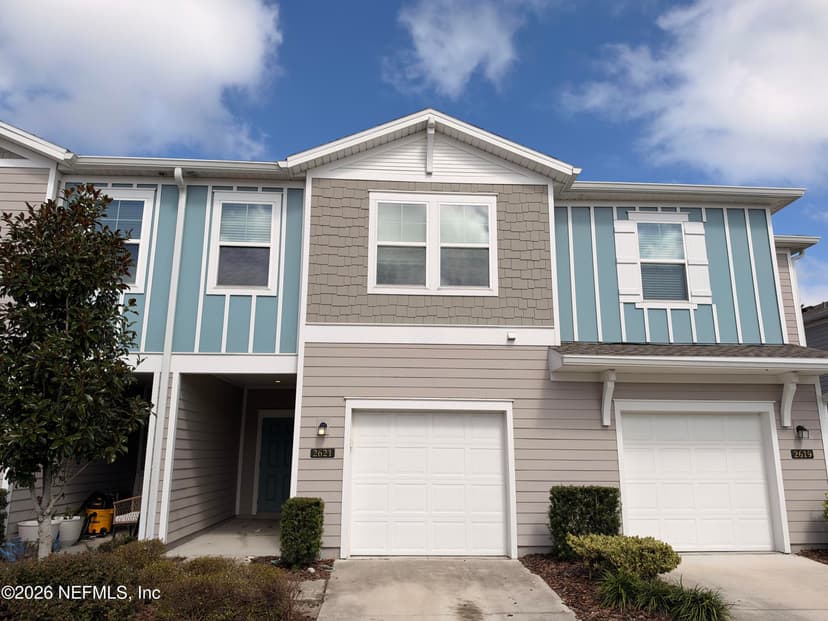
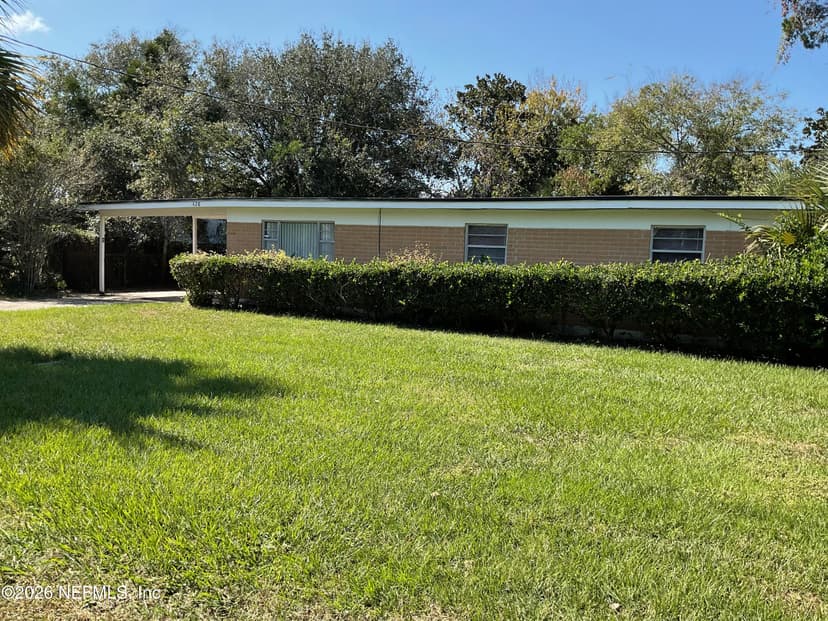
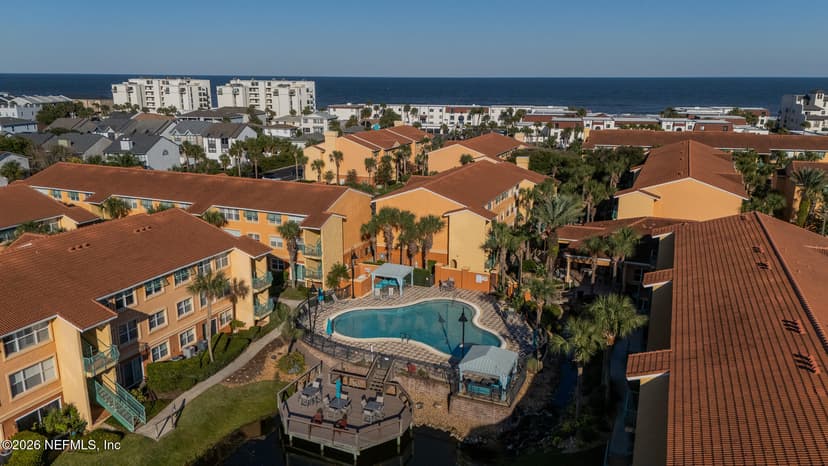
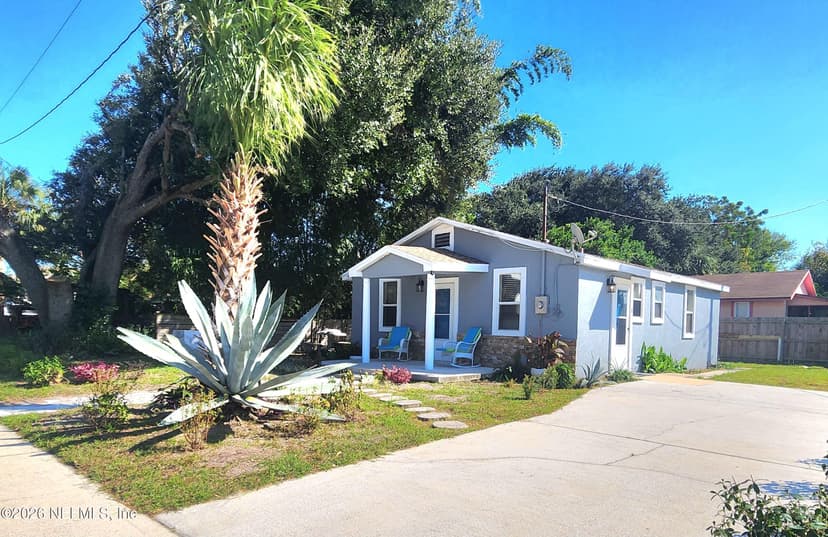
Homes for sale in Jacksonville Beach
Ruby and Pablo Beach, today.
This is the work I do every week. Want a house within a walk of the old Pablo Beach blocks or the Continental marker? Tell me the street. I'll send what's for sale on it.
Work with Krista (904) 709-7917 TextSave contact
By texting Krista you agree to receive conversational SMS text messages from Krista Fracke about your home search or sale. Message frequency varies. Message and data rates may apply. Reply STOP to unsubscribe, HELP for help. Terms: www.kristafracke.com/terms. Privacy: www.kristafracke.com/privacy.
Broker Associate · Christie's International Real Estate First Coast · 20+ years · 500+ closings
Common questions
What was Jacksonville Beach called before?
Ruby first, after the settlement where the Scull family ran a tent store and post office. It was renamed Pablo Beach in 1886 and Jacksonville Beach in 1925, according to the state historical marker.
Did Henry Flagler build the railroad to Jacksonville Beach?
No. Local investors built the Jacksonville & Atlantic in 1885. Flagler bought it in 1899, converted it to standard gauge and extended it to the Mayport coal wharf by 1900. Service ended in October 1932.
What was the Continental Hotel in Atlantic Beach?
A resort hotel Henry Flagler opened in 1901. It was sold in 1913, renamed the Atlantic Beach Hotel, and burned in 1919. A state historical marker stands at 10 10th Street in Atlantic Beach.
Was there a casino on Jacksonville Beach?
No primary source names a gambling casino at Jacksonville Beach. The beach had the Pavilion, Little Coney Island and a boardwalk with games of chance until a state crackdown in the 1950s. The documented beach casino was at Fernandina’s Main Beach, where casino meant a pavilion and bathhouse.
Why is Neptune Beach a separate city?
On August 11, 1931, Neptune voted 113 to 31 to secede from Jacksonville Beach in a dispute over a tax levy. Jacksonville Beach, Neptune Beach and Atlantic Beach are each their own city inside Duval County.
Did Nazi saboteurs really land near Jacksonville Beach?
Yes, just south of it. On the night of June 16–17, 1942, the German submarine U-584 put four men ashore at Ponte Vedra Beach as part of Operation Pastorius. They buried explosives and headed inland, and all of them were caught. The state marker stands at the Ponte Vedra Inn, about two miles north of the landing site.
When did Jacksonville Beach stop allowing cars on the beach?
In 1979, according to the city’s own history. Driving on the sand had been part of the beach since the hotel era; the Continental Hotel’s state marker lists oceanfront driving among its 1901 amenities.
The beaches of Northeast Florida →
Every beach town from Amelia Island to Matanzas.
Next south: Ponte Vedra Beach oceanfront →
The stretch of sand where the 1942 landing happened.
Every public beach access, mapped →
Parking, fees, ramps and rules.
Oceanfront condos in Jacksonville Beach →
Every building on the sand, with what is for sale.
Want a piece of the old Beaches?
Tell me which town you keep coming back to. I’ll send the homes closest to the ocean there.