Termites, before you buy.
34 of 5,884 homes for sale in St. Johns, Duval, Nassau and Clay mention a termite bond in the listing. The rest is on you to ask: the inspection report, the attic notice and what the contract covers.

By Krista Fracke — Broker Associate, Christie's International Real Estate First Coast · 20+ years in Northeast Florida · 500+ closings · client reviews
The WDO report
I’m Krista Fracke, and on a Florida purchase the termite inspection is its own report, separate from the home inspection. Florida Statutes 482.226 requires a licensed pest control company that inspects for a sale, for a fee or on request for a written report, to use the state’s wood-destroying organism inspection form.
The report has to list:
- areas it could not inspect, and why (the attic over a finished room, a wall behind cabinets);
- visible evidence of an earlier infestation or treatment;
- any live termites or other wood-destroying organisms it found, by name;
- any visible damage.
It also says it is not a guarantee unless it states otherwise. Read the “not inspected” list as carefully as the findings: the report covers only what the inspector could see.
Look by the attic door
The same statute requires a posted notice after every inspection and every treatment, next to the attic or crawl-space access (or another easy-to-reach spot), at least 3 by 5 inches and made to last three years. A treatment notice names the company, the date, the pesticide and the organism treated. On a showing, that small card by the attic hatch tells you who has treated the house and when, before any report is ordered.
What a termite bond has to say
A “termite bond” is a service contract with a pest control company. Florida Statutes 482.227 makes it say on the first page, in bold, which of three kinds it is:
- Repair and retreatment: treat again if termites come back, and fix the damage.
- Retreatment only: treat again; the damage is yours.
- No warranty or guarantee.
The first page must also say, in bold, whether there are limits or exclusions, and a contract that has them can’t call itself a “full” or “unlimited” guarantee. Whether it transfers to a buyer, and for what fee, is up to the contract; the statute is silent.
The Formosan termite
The native subterranean termite is the common one here. The invasive Formosan subterranean termite is the one extension agents watch: a February 2026 University of Florida study found it established across most of Florida’s coastal counties and expects it statewide by 2050. Jacksonville has a Formosan termite task force through the UF/IFAS Duval County Extension office, which also links the university’s distribution map.
The part nobody tells you: the bond is a document, not a feature
“Termite bond” in a listing tells you a contract exists. It doesn’t tell you which of the three kinds it is, whether it is current, or whether it transfers. I ask the seller for the contract itself during the inspection period and read the first page, because “retreatment only” and “repair and retreatment” are very different promises when the WDO report finds old damage.
Most sellers don’t mention one at all: about 1% of the homes for sale here do. Silence isn’t a red flag, just a question to ask.
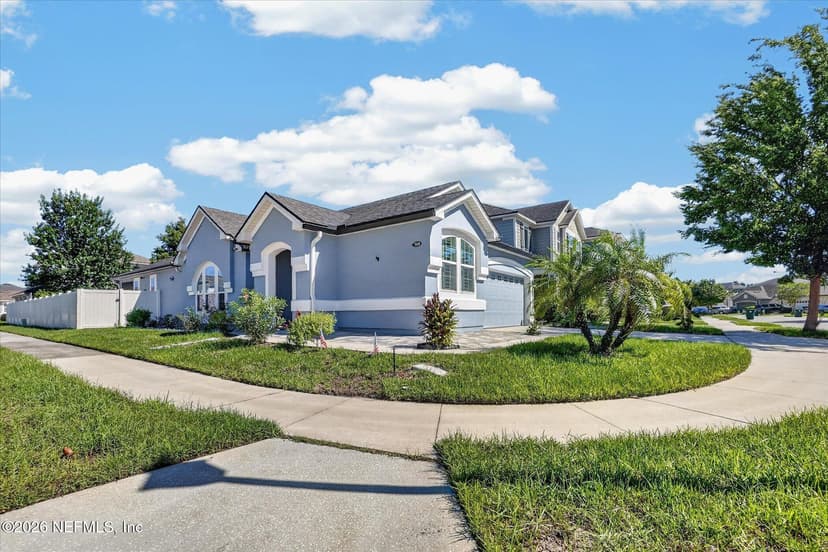
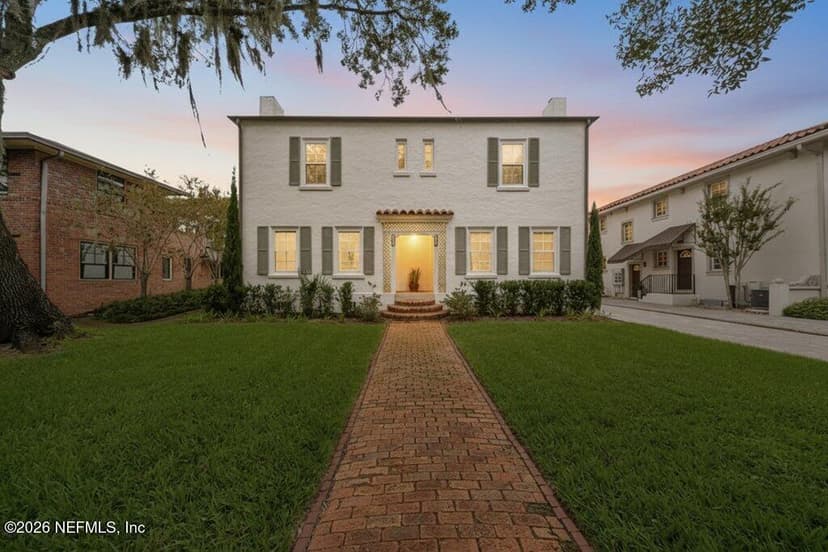
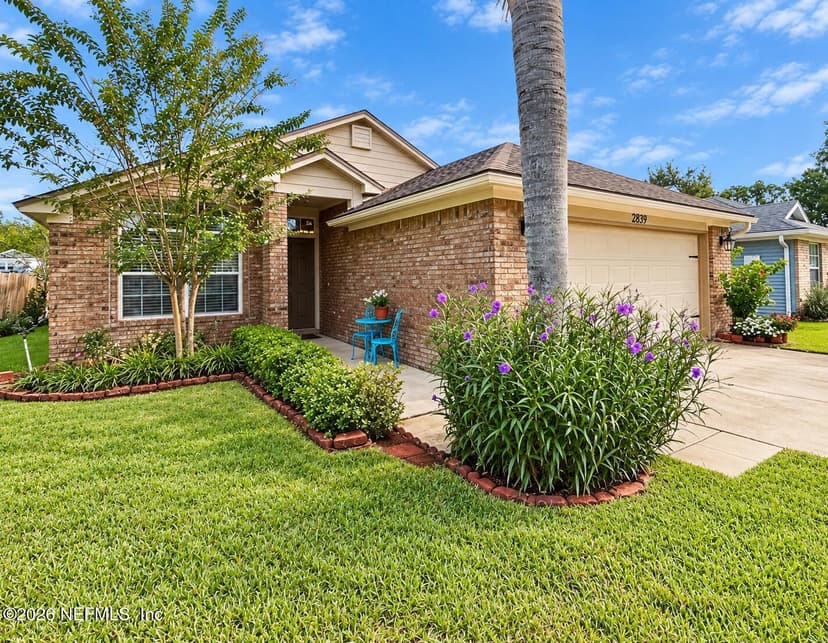
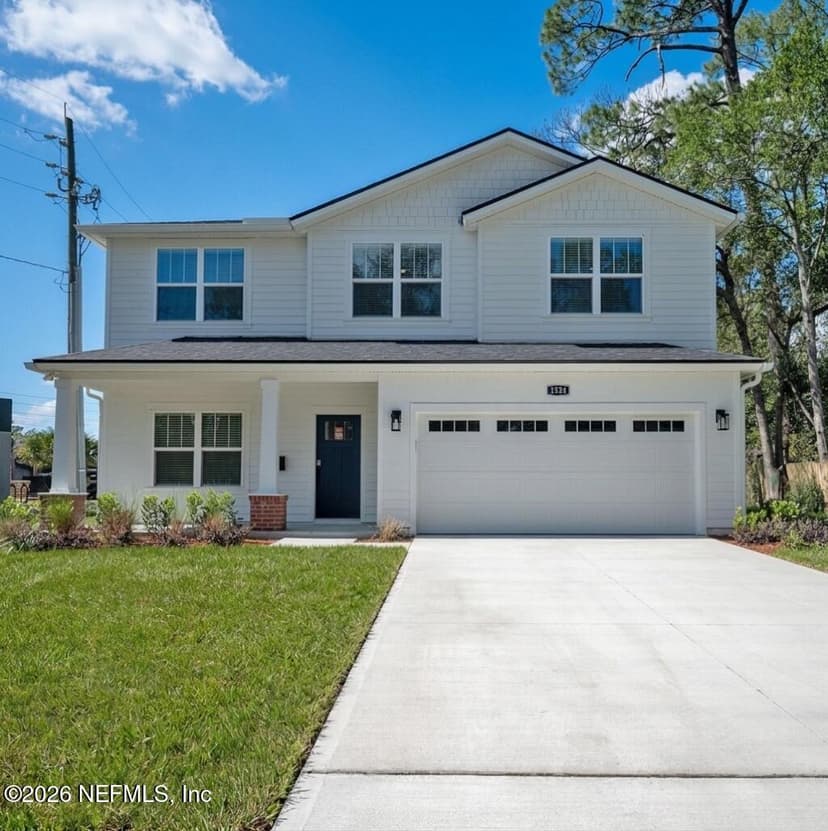
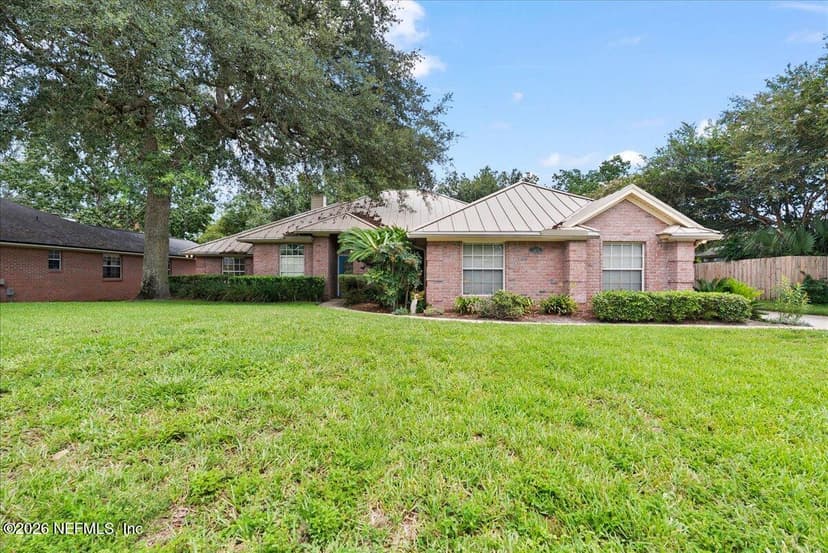
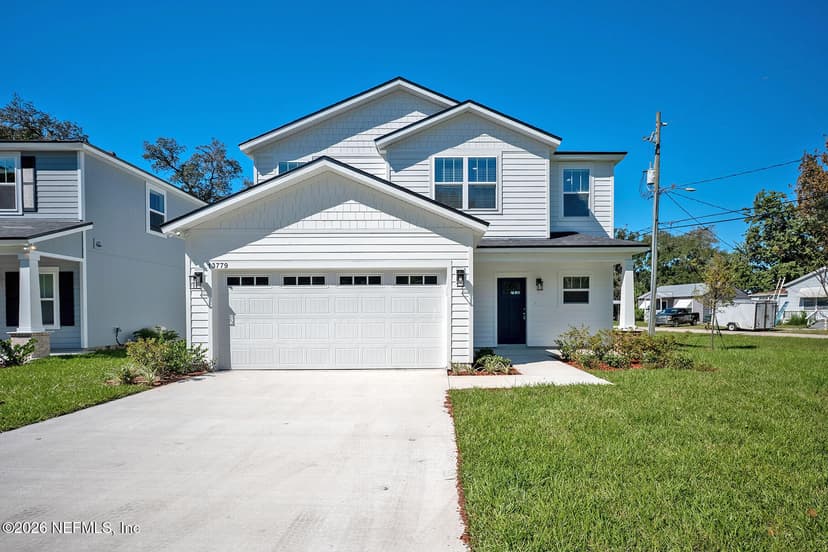
Jacksonville homes whose listing mentions a termite bond
The listing's mention; ask for the contract itself.
Homes for sale in St. Johns County
The newest listings, live from the MLS.





This is the work I do every week. Under contract on a Florida home? I'll line up the WDO inspection and read the termite contract with you before the inspection period ends.
Work with Krista (904) 709-7917 TextSave contact
By texting Krista you agree to receive conversational SMS text messages from Krista Fracke about your home search or sale. Message frequency varies. Message and data rates may apply. Reply STOP to unsubscribe, HELP for help. Terms: www.kristafracke.com/terms. Privacy: www.kristafracke.com/privacy.
Broker Associate · Christie's International Real Estate First Coast · 20+ years · 500+ closings
Common questions
What is a WDO inspection in Florida?
A wood-destroying organism inspection by a licensed pest control company, reported on the state’s form. Under Florida Statutes 482.226, when a licensee inspects for a real estate sale and charges a fee or is asked for a written report, the report must list the areas not inspected and why, visible evidence of past infestation or treatment, any live organisms found, and any visible damage.
How can I tell if a house was treated for termites?
Look by the attic or crawl-space access. Florida law requires the company to post a notice there after an inspection and after a treatment, at least 3 by 5 inches and made to last three years; a treatment notice names the company, the date, the pesticide and the organism treated. The WDO report also lists visible evidence of earlier treatment.
What is the difference between a retreatment bond and a repair bond?
Florida Statutes 482.227 requires a termite contract to say on its first page, in bold, whether it covers repair and retreatment, retreatment only, or carries no warranty at all. Retreatment covers treating again if termites return; repair also covers fixing the damage. If the contract has limits or exclusions, it may not call itself a full or unlimited guarantee.
Does a termite bond transfer to the buyer?
The statute doesn’t say, so it depends on the contract. Ask the seller for the contract itself, read the first page for repair or retreatment-only, and call the company about transferring it and the renewal fee before closing.
Are Formosan termites in Northeast Florida?
A February 2026 University of Florida study found the Formosan subterranean termite established across most of Florida’s coastal counties, and expects it to be detected statewide by 2050. Jacksonville has a Formosan termite task force run through the UF/IFAS Duval County Extension office.
Homes with a newer roof →
Which listings state the roof year, and how to check one.
Home insurance here →
Roof age, wind mitigation, flood zone and construction era.
Your yard and your HOA →
What an association can require, by Florida law.
Florida closing costs →
The taxes and title rates the state sets, calculated.
Buying an older home?
Send me the address. I’ll find the treatment history, the roof year and the flood zone before you decide.