Jacksonville CDD fees: the short list that matters.
Here’s the part that surprises buyers coming from St. Johns County: most of Jacksonville has no CDD — builders advertise it in the listings. Which makes the exceptions the thing to know. This is the Duval map: which communities carry a district assessment, which shout that they don’t, and how to get the true number for a specific home.

By Krista Fracke — Broker Associate, Christie's International Real Estate First Coast · 20+ years in Northeast Florida · 500+ closings · client reviews
Duval is not St. Johns
In St. Johns County, nearly every large master plan of the last 25 years was financed through a Community Development District — the assessment rides the tax bill, and we map them on the St. Johns County CDD page. Duval grew differently: most Jacksonville neighborhoods, including most new construction, carry no district assessment at all — which is why “NO CDD FEES!” is one of the most common phrases in Northside and Southside listing remarks. The flip side: the handful of Duval communities that do carry a CDD tend to be the ones with the biggest amenity infrastructure, and their listings rarely lead with the number.
The exceptions: Duval’s CDD communities
| Community | District / status |
|---|---|
| Seven Pines | Ryals Creek CDDrecent MLS tax bills run ~$3,000+/yr above base millage, varying by lot — full breakdown below |
| eTown | Cypress Bluff CDDverified on the district’s FY 2027 adopted budget (cypressbluffcdd.com); amount varies by village and home — I pull the exact line |
| Bartram Park | Bartram Park CDDestablished district; current per-home assessments vary — verify the parcel |
| Bartram Springs | Bartram Springs CDDmature district: 2021 refunding bonds run to 2036, and some resales have the debt portion prepaid |
District names stated only where an official district source exists; assessment scale cited only from real tax bills in the MLS. Every district sets its own schedule by neighborhood and lot — the county tax record shows the exact figure for any specific home.
The “NO CDD” crowd — per the builders themselves
Straight from current listing remarks in the MLS, these newer Jacksonville communities actively advertise no CDD: Hardwick Farms, Panther Creek, Wells Creek, Longleaf, Saddle Oaks, Avalon Woods, Summerglen. That’s the builders’ own marketing claim — and a real monthly-cost edge when it holds — but remember what the assessment usually buys: the no-CDD communities generally run lighter amenity packages, or fund them through the HOA line instead.
The caveat that applies to every number above
Community-level CDD figures are orientation, not truth. The bond portion can be prepaid by a prior owner, and assessments vary by lot — so two identical floor plans can carry different bills, and no listing site (including this one) can know a home’s exact line without checking the parcel. That’s why every listing here shows the seller’s actual MLS-reported tax bill where available, and why I pull the county record — the CDD line, bond status, and HOA — before my buyers write an offer.
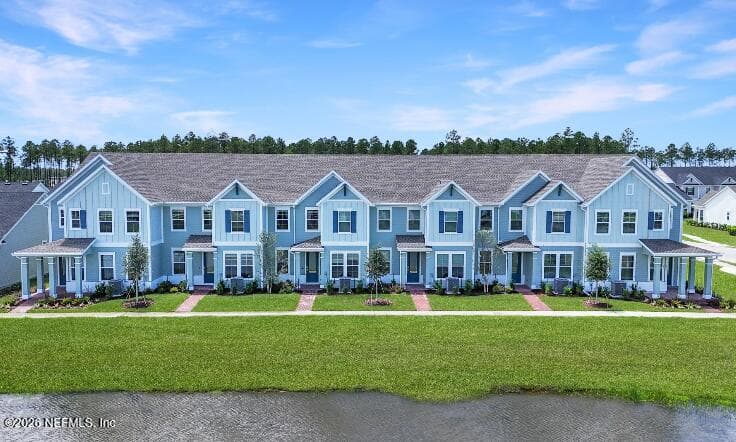
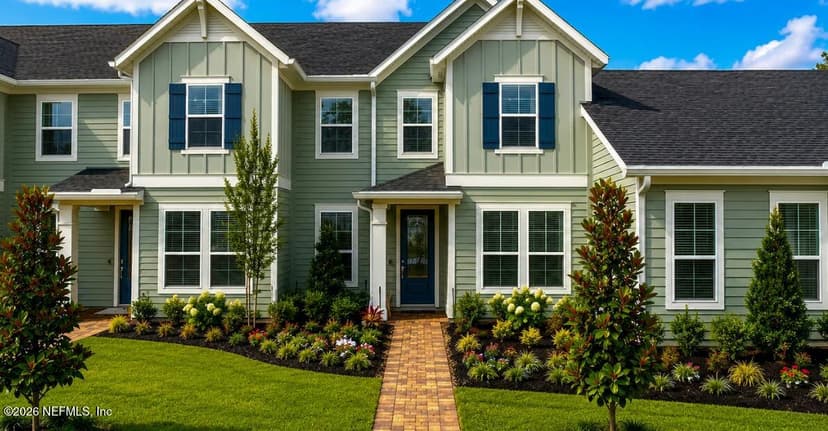
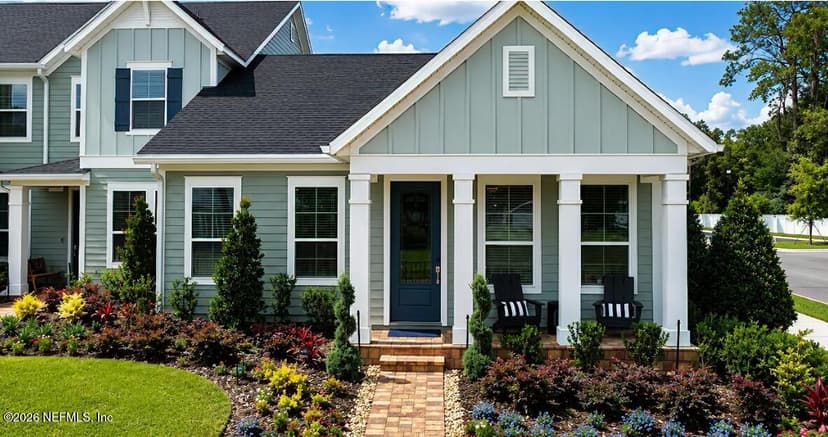
New construction in Jacksonville now
The newest listings, live from the MLS.
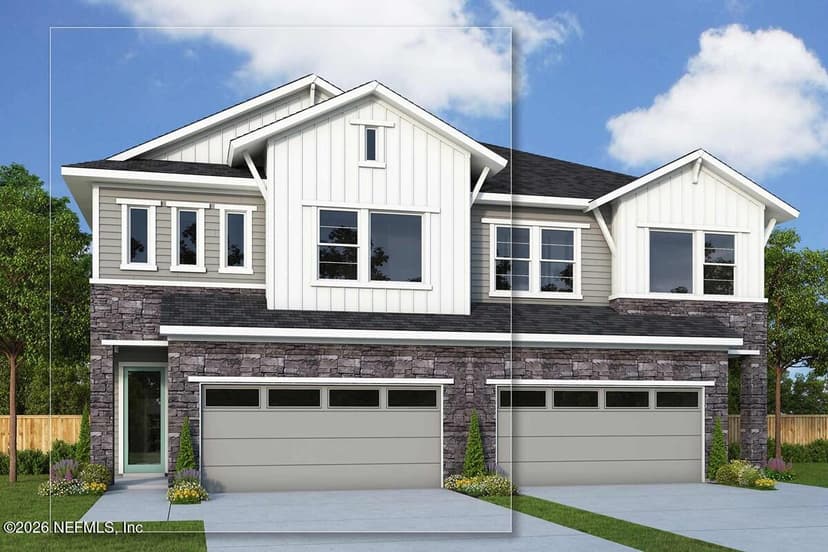
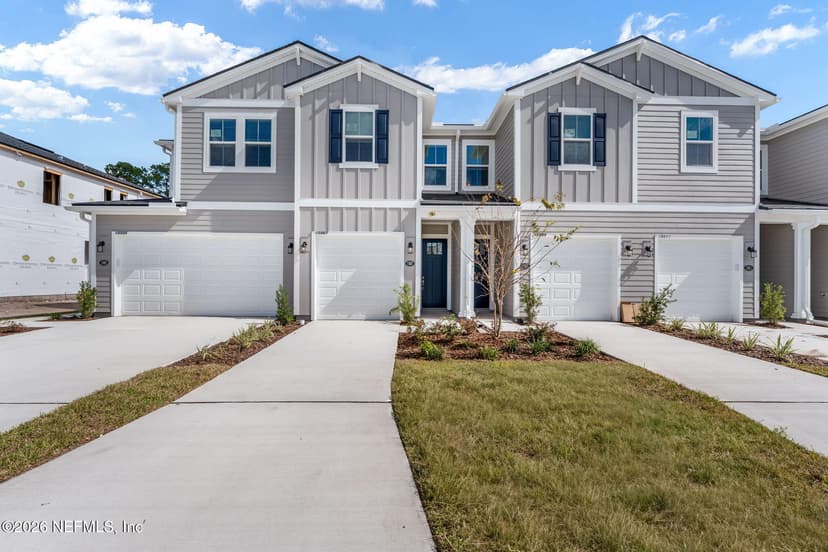
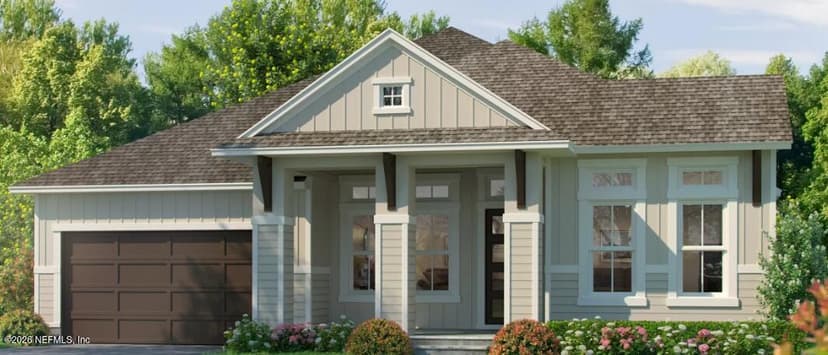
This is the work I do every week. Shopping the Duval communities? I’ll confirm which carry assessments and pull the real number for any home on your list.
Work with Krista (904) 709-7917 TextSave contact
By texting Krista you agree to receive conversational SMS text messages from Krista Fracke about your home search or sale. Message frequency varies. Message and data rates may apply. Reply STOP to unsubscribe, HELP for help. Terms: www.kristafracke.com/terms. Privacy: www.kristafracke.com/privacy.
Broker Associate · Christie's International Real Estate First Coast · 20+ years · 500+ closings
Common questions
Which Jacksonville communities have CDD fees?
Fewer than you might fear — Duval is mostly no-CDD territory, unlike St. Johns County where nearly every big master plan carries one. The exceptions that matter most on the Southside: Seven Pines (where recent tax bills run roughly $3,000-plus a year above base millage), eTown (the Cypress Bluff CDD), and the Bartram districts — Bartram Park CDD and Bartram Springs CDD. A handful of other Duval districts exist, so never assume. Everywhere else, "no CDD" is common enough that Northside and Southside builders advertise it in the listing itself.
Do CDD fees in Jacksonville ever end?
The debt portion does. A CDD assessment has two parts: bond debt (which amortizes over the bond term and can often be prepaid) and operations-and-maintenance (which continues as long as the amenities do). Bartram Springs is the live example — built in the early 2000s, its district refinanced in 2021 and those refunding bonds run to 2036, but individual owners can prepay, so some resales carry no debt line at all while the neighbor still pays one. The county record shows which one you’re buying.
Can two identical homes have different CDD bills?
Yes — and this is the caveat that applies to every community-level number you read, including on this page. The bond portion can be prepaid by a previous owner, and assessments often vary by lot size, so the same floor plan on the same street can carry a different bill. Community averages are orientation, not truth: the county tax record for the specific parcel is the only number that counts, and I pull it — along with the seller’s actual MLS-reported tax bill — on every home my buyers consider in a CDD community.
Is "no CDD" always better?
Not automatically. CDD communities got their amenity networks financed and built up front — Seven Pines’ amenity campus is the kind of infrastructure the assessment pays for. No-CDD communities either carry lighter amenities or fund them through HOA dues instead, so the honest comparison is always the full monthly stack: taxes plus assessments plus HOA plus insurance, side by side. Sometimes the no-CDD option wins; sometimes it just hides the same cost in a different line.
Is the CDD included in a listing’s estimated property taxes?
On the actual county bill, yes in effect — the CDD is added as its own line, so the total you pay the tax collector each year is property tax plus CDD together. Estimates are messier: online tax estimates (this site’s included) are modeled from the typical bills of comparable homes, so they approximate a combined total without itemizing a specific home’s CDD line — and the “taxes” figure in a listing is usually the seller’s last bill, at the seller’s assessed value, which resets when you buy. The clean way to budget: the tax estimate at your purchase price plus the home’s actual CDD line, as two separate numbers. You can verify the current CDD line yourself — the county tax collector’s public parcel search shows the full bill for any address. The remaining bond payoff balance, and what both numbers become at your purchase price, is where I come in.
Seven Pines CDD fees, explained →
The $90-HOA headline vs. the full stack
The St. Johns County CDD map →
Where nearly every master plan carries one
Comparing a CDD community against a no-CDD one?
That comparison only works with real numbers on both sides. Give me the two homes — I’ll pull the tax, CDD, and HOA lines for each and put the true monthly costs side by side.